

Donora smog disaster discussed as 75th anniversary nears
Courtesy of Donora Historical Society
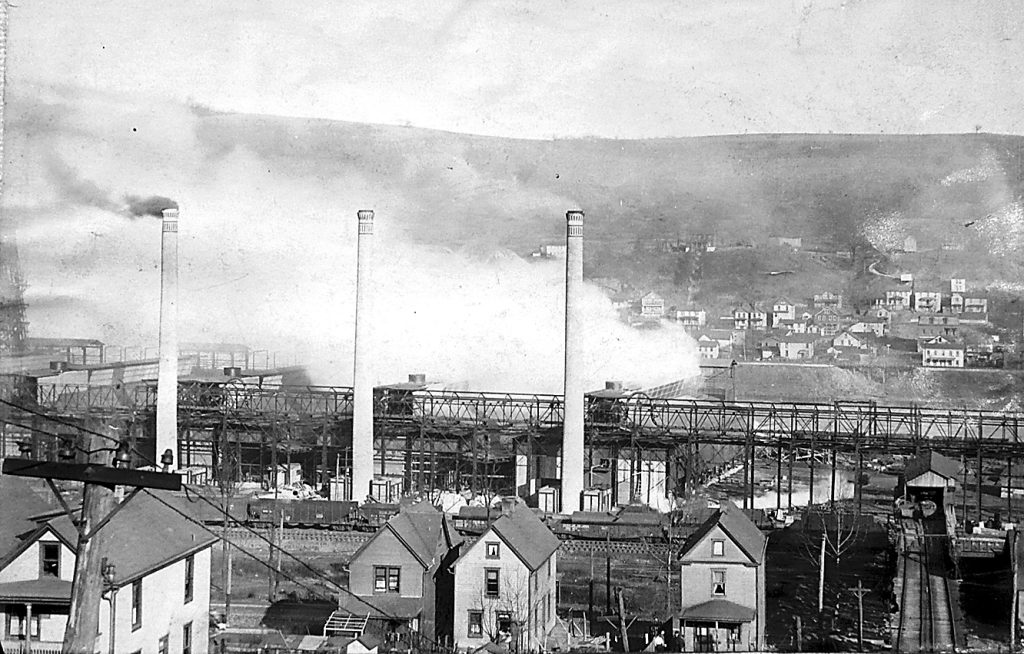
Smoke billows from the zinc works in Donora in this photo that鈥檚 included in a video produced at California University of Pennsylvania about the killer 1948 smog.
Andy McPhee
Brian Charlton
In late October 1948, a seemingly average fog descended on the town of Donora. Unbeknown to the borough鈥檚 14,000 residents at the time, the town was enveloped in a deadly inversion, resulting in the death of at least 21 residents and causing respiratory problems for another 6,000.
鈥淭he 1948 Donora Smog Disaster 鈥� 75th Anniversary,鈥� was the subject of a program Tuesday presented by the Battle of Homestead Foundation.
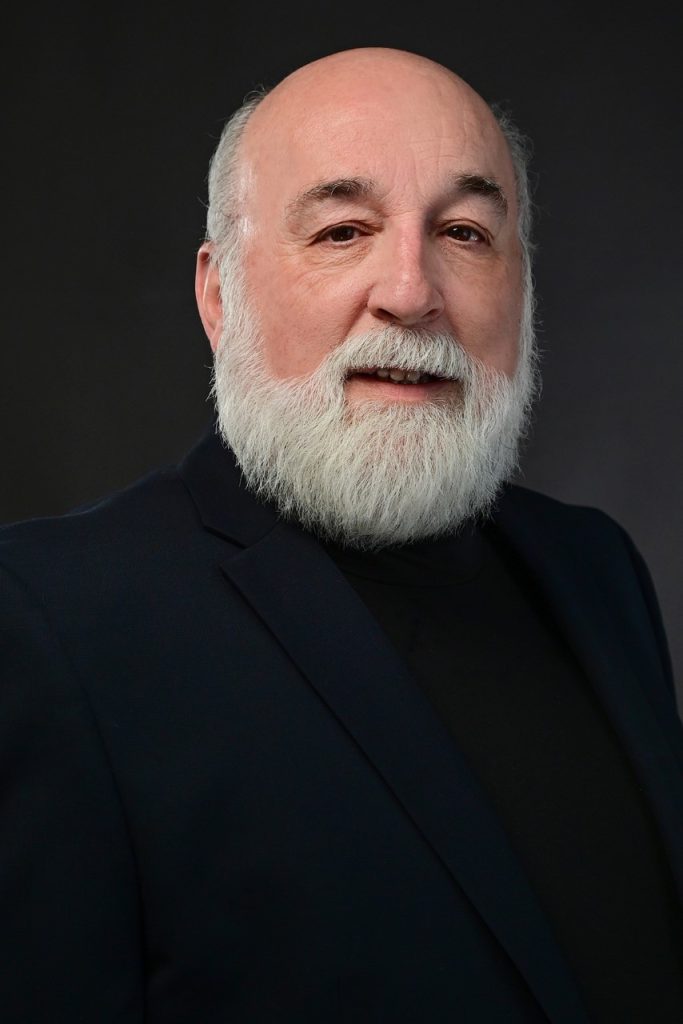
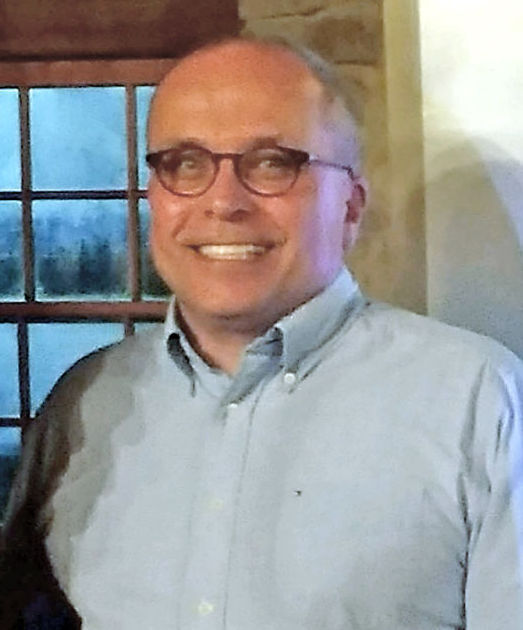
Speakers were Brian Charlton, of the Donora Historical Society and Donora Smog Museum, and Andy McPhee, author of 鈥淒onora Death Fog: Clean Air and the Tragedy of a Pennsylvania Mill Town.鈥�
Hydrogen fluoride and sulfur dioxide emissions from U.S. Steel鈥檚 Donora Zinc Works and its American Steel & Wire Plant were common occurrences at the time. In pictures of everyday life at the time shown during Tuesday鈥檚 Zoom presentation, smoke could be seen coming from the zinc stacks.
鈥淭he kids still played,鈥� Charlton said. 鈥淭he whole idea of this atmosphere of normalcy by going to the movies or playing pickup football games or being in Scouts, that was part of that lifestyle.鈥�
However, the combination of a sudden unseasonal heat inversion with increased emissions from the two factories Oct. 26, 1948, transformed into a massive toxic cloud of poisonous gases, heavy metals and fine particulate matter to create what became known as the Donora Death Fog.
鈥淎 temperature inversion envelopes the entire Monongahela Valley,鈥� Charlton explained. 鈥淚t鈥檚 trapping the warm air near the surface, so there鈥檚 really no uplift in the atmosphere. We don鈥檛 have any way to disperse all of these toxins. This goes on for days. This creates a disaster these people are not prepared for in any way.鈥�
鈥淭he lack of wind played a huge role,鈥� McPhee added, 鈥淭his was an enormous area that had little to no wind at all. If there had been some wind, even a breeze, it would have helped, but there was none anywhere. Nothing moved in that valley, except the smoke coming out of the stacks.鈥�
Chaos ensued as Donora鈥檚 11 doctors, their vision largely obstructed by the smog, tried to tend to the thousands of residents.
鈥淭hey couldn鈥檛 see the road,鈥� McPhee said. 鈥淚t was enormously dense. You literally couldn鈥檛 see the other side of the street. You鈥檝e never been in a fog that bad. I鈥檝e never been in a fog that bad. It was horrendous.鈥�
Twenty-one deaths were attributed to the smog, but mortality rates in Donora were significantly higher than those in nearby communities for another 10 years.
鈥淎 great number of people died from lingering effects,鈥� McPhee said. 鈥淭he deaths immediately after the smog may not have been counted because (the person) didn鈥檛 go to the hospital. They had to have been sick from the beginning and there had to be some evidence there.鈥�
McPhee said he believes one of those people was Lukasz Musial, father of baseball hall-of-famer Stan Musial, who McPhee said died most likely from the effects of the smog.
At least 160 lawsuits were filed seeking in excess of $4 million, claiming the Zinc Works was responsible for the deaths. About 5% of the total sought was received.
鈥淭he settlement was basically lunch money for United States Steel,鈥� Charlton said.
Some good did eventually come as a result of the disaster, such as environmental reforms including the Clean Air Act of 1970 and the creation of agencies such as the Department of Environmental Protection, Environmental Protection Agency and the Federal Emergency Management Agency.
John Haer, president of the battle of Homestead Foundation, stressed the need to study historical occurrences such as this to help ensure a better future for generations to come.
鈥淭his is a sad story, but it鈥檚 also an enlightening story that we can take and think about and try to act upon,鈥� he said. 鈥淭he kind of economy that we have that values profits over human lives, we have to take that seriously enough to find another economy that takes into account that if we don鈥檛 find clean jobs and actually challenge that market economy, we鈥檙e not going to survive.鈥�