

How safe are energy drinks for kids?
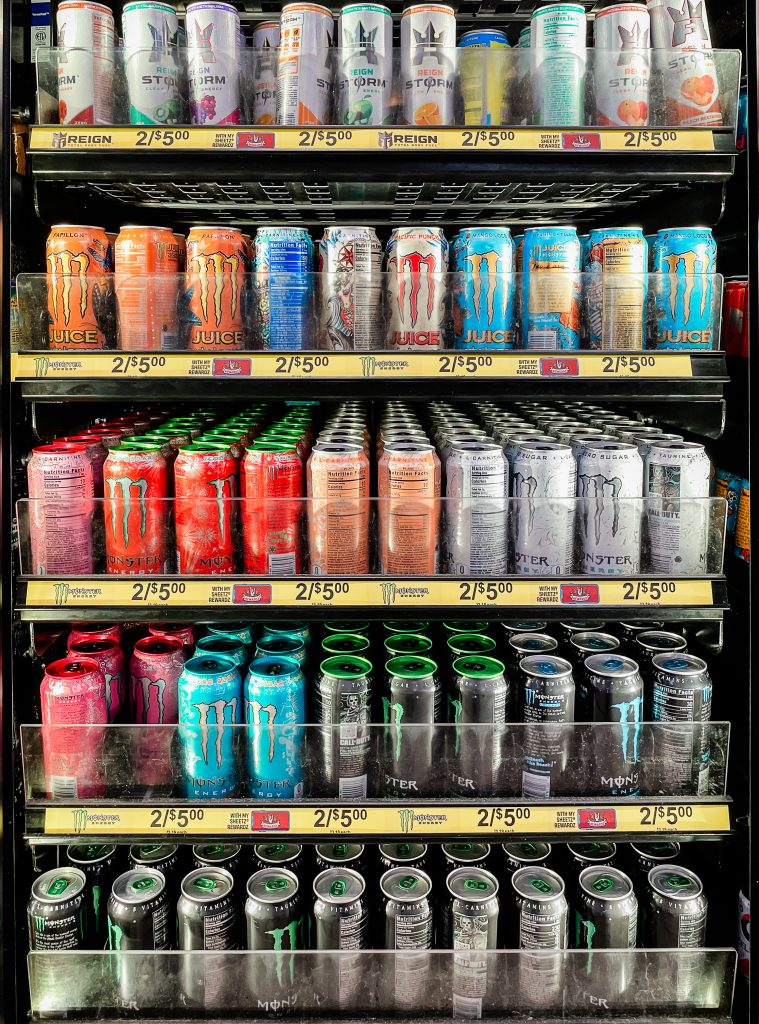
Pediatricians recommend kids ages 12 and under steer clear of caffeinated beverages and energy drinks. (Photos by Katherina Mansfield)

On the subject of energy drinks and caffeine, Dr. Ned Ketyer says, 鈥淔or adults and for children, going through life uncaffeinated is probably the safest approach.鈥�
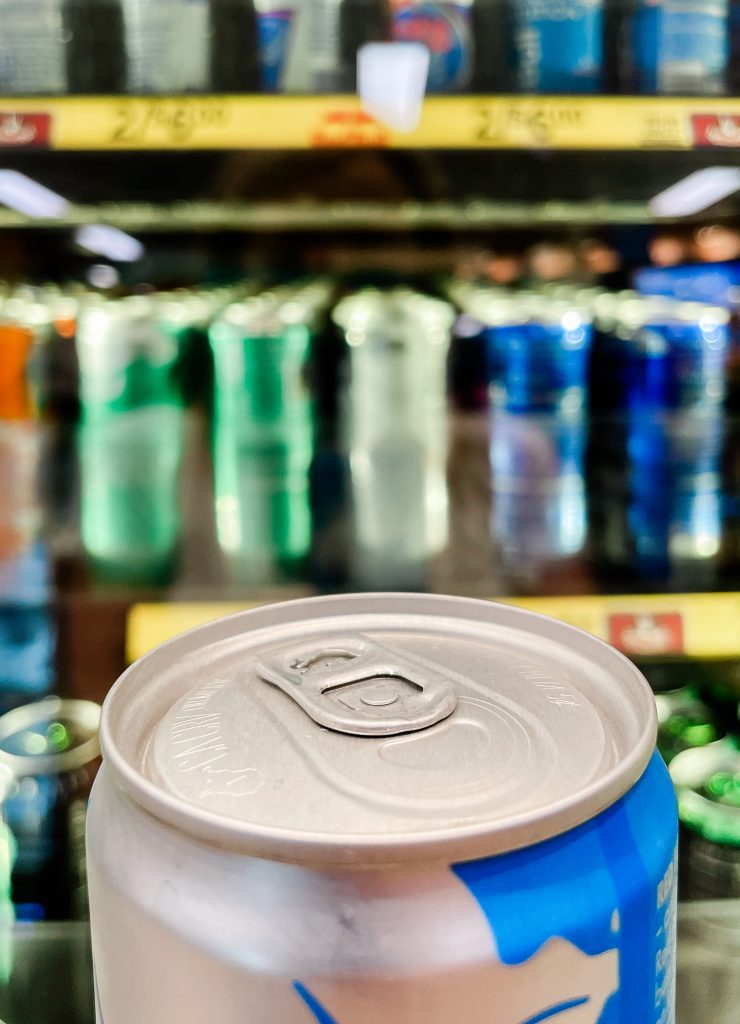
For years, kids and adults alike have popped open energy drinks for a morning wakeup or midday kick. The drinks, which come in a variety of colorful cans and flavors, are now trending, after Sen. Chuck Schumer asked the FDA to investigate the safety of an energy drink marketed by social media influencers.
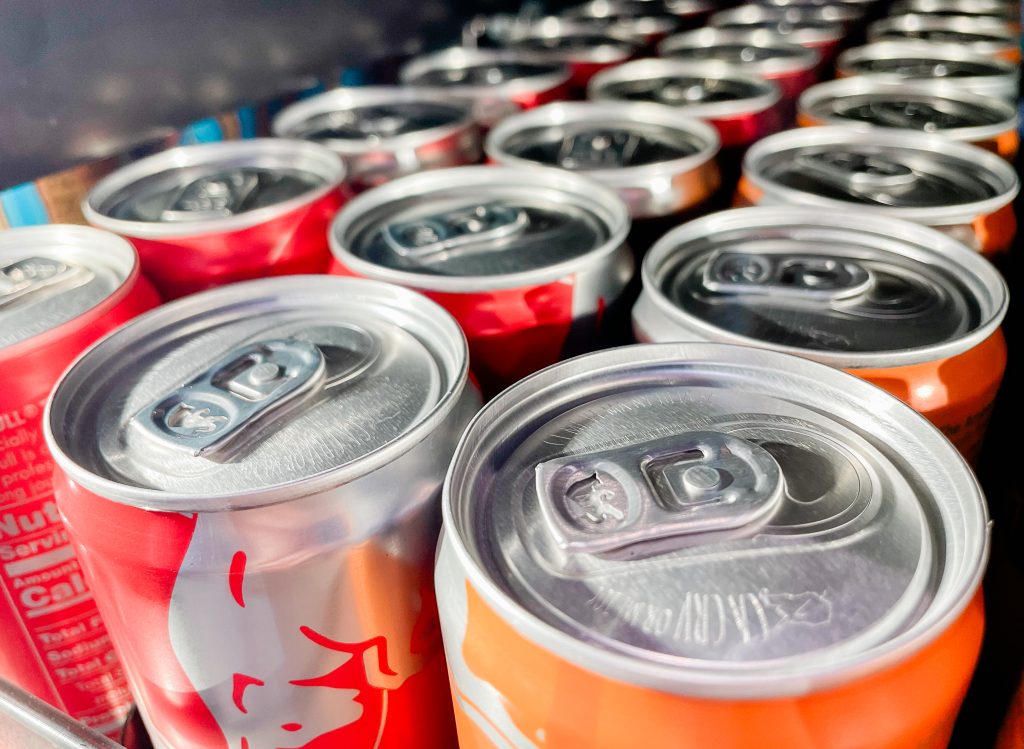
While studies show small amounts of caffeine may boost mood and attention, too much caffeine can have adverse effects. (Photo by Katherine Mansfield)
Some of the hottest new products being marketed to kids on social media aren鈥檛 sneakers or a brand of jeans. They鈥檙e energy drinks.
Energy drinks have been around for years, but it鈥檚 what they contain that concerns parents and doctors. Excessive amounts of sugar and caffeine are not healthy for adults or children, but many of the drinks on the shelves contain high amounts of both. The topic exploded into news headlines this summer after Sen. Chuck Schumer went to Congress and asked the U.S. Food and Drug Administration (FDA) to investigate the safety of one drink being marketed by social media influencers. The drink, branded as 鈥渮ero sugar鈥� and 鈥渧egan,鈥� is among many on the market containing high amounts of caffeine and comes in neon-colored cans aimed at attracting young buyers.
The problem? Each drink contains 200 milligrams of caffeine per 12 ounces, the equivalent found in six cans of Coke or two Red Bulls. Schumer wants the FDA to look at the issue, and many parents wonder about advertisers targeting these kinds of drinks toward younger audiences.
How bad is caffeine?
How hazardous is consuming 200 milligrams of caffeine in a 12-ounce drink? We asked Dr. Ned Ketyer of Allegheny Health Network (AHN) Pediatrics, who said there is no safe dose of caffeine for children.
鈥淧ediatricians advise against caffeine for children under 12 and against any use of energy drinks for all children and teens,鈥� said Ketyer. 鈥淔or kids 12 to 18 years of age, limiting caffeine to at most 100 mg (about two 12-ounce cans of cola or one 8-ounce cup of coffee) daily is recommended.鈥� Some of these energy drinks contain nearly six times more than what is in the same size can of Coca-Cola.
Ketyer said that should serve as a red flag. 鈥淏everages with this much caffeine can pose harmful risks for both adults and children,鈥� he explained, 鈥渂ut especially kids because the drinks are so sweet and appealing to them, and they might not stop after one can. If kids drink a large amount of caffeine, it can negatively affect their heart rate and blood pressure, at a minimum.鈥�
Long-term, consuming caffeine in large quantities can result in adverse effects in both adults and children, he said.
鈥淓nergy drinks have increasingly become a source of caffeine overdoses, according to a comprehensive study published in Pediatrics,鈥� Ketyer said. 鈥淐affeine is a stimulant which can cause dependence, insomnia, rapid heart rate and heart palpitations in both children and adults. These symptoms can be even more extreme in some children who consume large amounts of caffeine, resulting in seizures, mania, stroke, and death in rare cases.鈥�
Even healthy children with no known health complications can experience adverse effects after consuming too much caffeine, and symptoms can be magnified in children with existing health conditions, such as asthma or heart disease.
Caffeine鈥檚 effects
In the body, caffeine acts as a central nervous system stimulant. In the brain, moderate consumption has been shown to improve mood and attention, which adults may find beneficial.
鈥淐offee, tea and chocolate in particular are also rich in antioxidants that may provide other health benefits,鈥� Ketyer said. 鈥淏ut consuming too much caffeine can overstimulate the brain and other organs, causing insomnia and sleep deprivation, anxiety, muscle tremors, rapid heart rate and heart palpitations.鈥�
The impact depends on the dose. According to the Mayo Clinic, consuming up to four 8-ounce cups of coffee or 10 cans of cola should be safe for many adults, depending on health or medical status. For children, there is no established safe dose of caffeine. 鈥淧ediatricians recommend avoiding caffeine altogether in children under 12,鈥� says Ketyer. 鈥淔or 12-to-18-year-olds, caffeine should be limited to no more than 100 mg per day (about two 12-ounce cans of cola or one 8-ounce cup of brewed coffee).鈥�
Ketyer recommends using the energy drink issue as a conversation starter with your kids. 鈥淧arents should talk to their kids about their caffeine intake and use the conversation around popular energy drinks to talk about other drugs and stimulants,鈥� he suggests. 鈥淓nergy drinks are not safe for children, and they should be avoided 鈥� that鈥檚 the bottom line. To combat fatigue or feeling sluggish, we can do other things, like standing up and moving around, getting more sleep, exercising, eating more nutritious food, and taking a multivitamin.鈥�
Energy drinks may provide a quick boost, but actually may be harmful to overall health. 鈥淧arents should encourage their children (and themselves) to drink water instead,鈥� Ketyer said. 鈥淎dding fresh fruit or cucumbers to water is helpful for those who prefer more flavor. Water is the best thirst quencher, especially during a hot summer day and after an intense and high endurance activity. Water is an essential part of a child鈥檚 and adolescent鈥檚 daily diet and keeps the body hydrated and energized.鈥�
Most adults enjoying a little bit of caffeine to get the morning started or for an afternoon pick-me-up should have no problems, but the bottom line on high-caffeine drinks is to avoid them.
鈥淗eavy consumption of caffeine, especially in beverages that also contain a lot of sugar, should be discussed with your doctor,鈥� Ketyer said. 鈥淔or adults and for children, going through life uncaffeinated is probably the safest approach.鈥�