

Kicking back on Mexico’s Yucatan Coast
Region offers a more authentic Mexican experience
鈥淧rogreso? Where is that?鈥�
Those were the typical responses I got when telling family and friends where my husband and I were going to spend the winter.
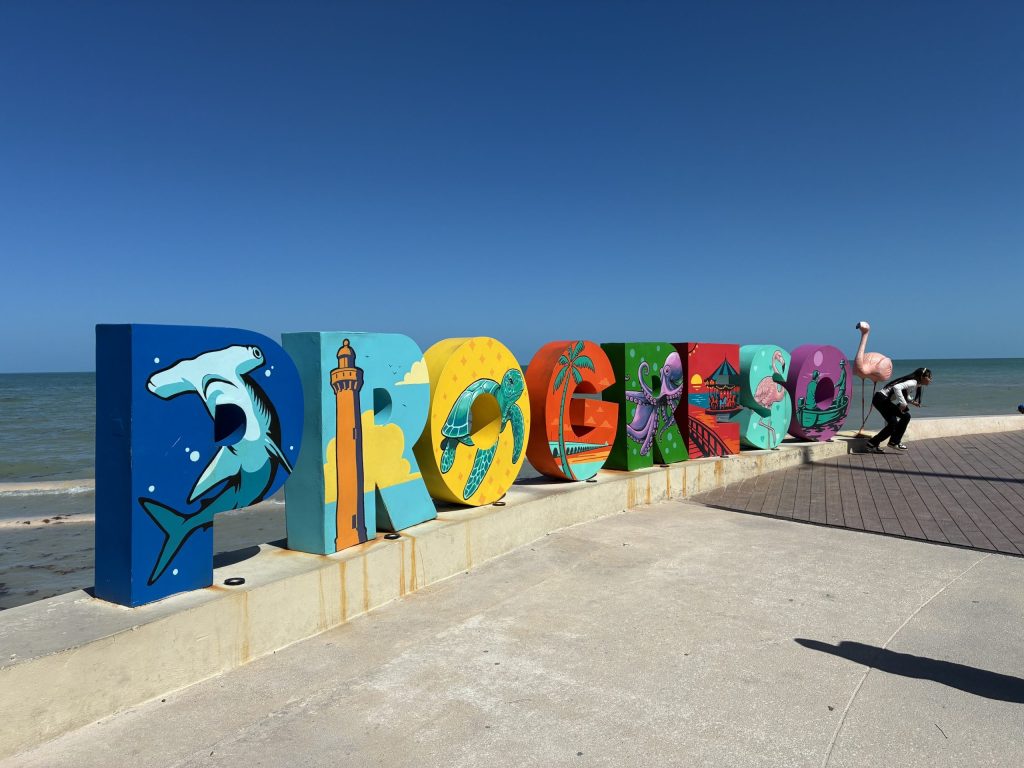
Not many Americans know about the peaceful beachside town of Progreso on Mexico鈥檚 northern Yucatan Coast, but it鈥檚 been a hugely popular winter 鈥渟nowbird鈥� escape for Canadians for decades.
Sitting about 20 miles north of the big city of Merida, Progreso鈥檚 Gulf Coast location makes it an important port city and the center of the region鈥檚 fishing industry. Its more than four-mile long pier allows docking of huge commercial vessels and cruise ships. In fact, Progreso鈥檚 pier is the longest in the world with containers arriving here and loaded onto trucks that travel all across Mexico.
You may not have heard about Progreso, but with a population around 40,000, this town and the surrounding area offer a laid-back, beautiful place to spend some time allowing a more authentic Mexican experience for visitors compared to the Riviera Maya areas of Cancun, Playa del Carmen or Tulum a few hours to the east in the neighboring state of Quintana Roo.
Make no mistake: This is not your upscale, all-inclusive beach getaway. Progreso and its tranquil surrounding fishing villages are rustic spots, but they鈥檙e also very enjoyable, relaxing destinations.
Peaceful Progreso
A few cruise companies make stops in Progreso including Carnival, Disney and Margaritaville, usually en route to Cozumel over to the east. Progreso鈥檚 pier sits right at the center of downtown with the beautiful city hall and iconic lighthouse a few blocks away.
Progreso is small enough to feel quaint but big enough to provide plenty to do.
The other question I got from family and friends was, 鈥淚s it safe there?鈥�
That answer is a resounding yes with Progreso, Merida and the state of Yucatan regularly ranked as not only the safest towns in Mexico but in all of North and South America. The people here are very welcoming and friendly, and we felt completely safe walking everywhere (often even after dark).
Since this region is not as touristy as others, you鈥檒l do yourself a big favor by brushing up on some Spanish phrases before you arrive and making sure you have Google Translate or another translation app on you phone to help. Many folks here do speak some English, but many do not.
I can鈥檛 stress enough how nice the people are here 鈥� always saying hello, offering a smile and willing to help, especially if you attempt to say hello or ask a simple question in Spanish.
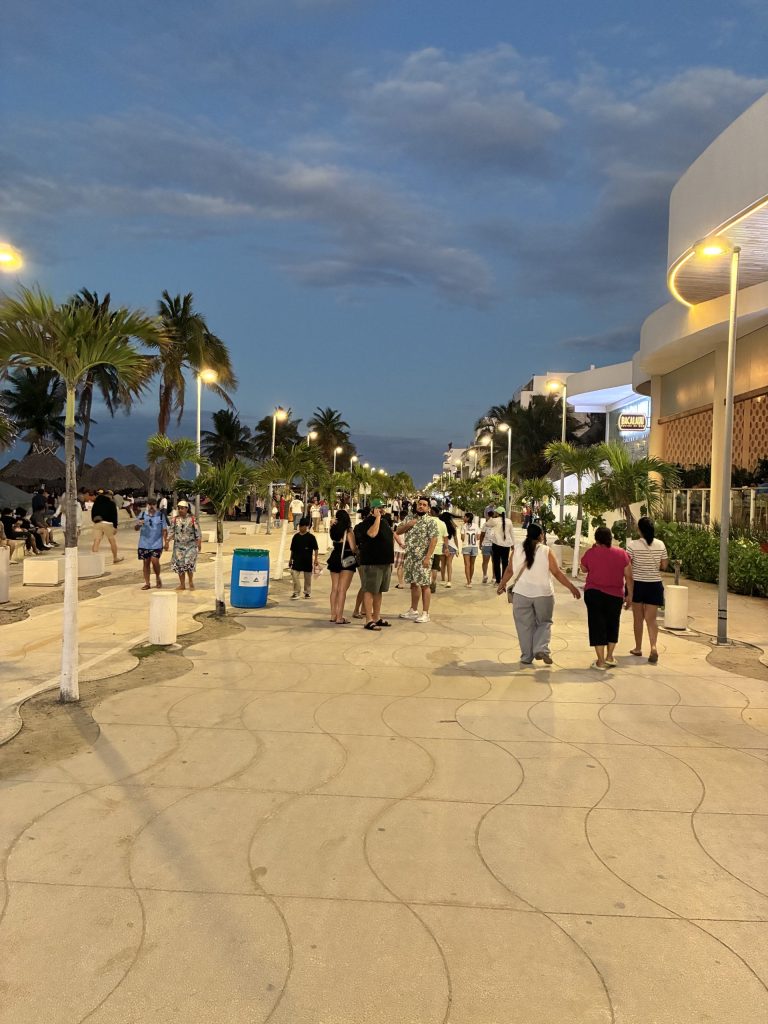
The heart of Progreso is its beach, all of which is public. You鈥檒l find vendors renting chairs and umbrellas along with beach clubs where you can pay a day pass to access a restaurant, pool, bar, showers and bathrooms. Behind the beach runs the malecon (the boardwalk and esplanade) extending more than three miles along the sand and lined with restaurants, bars, shops and some hotels and condominium buildings. What you won鈥檛 see here are huge hotels, chain hotels or all-inclusive resorts.
Progreso and the surrounding villages (so far) have kept growth to a more residential model with a few sporadic high-rises and mainly single-family homes or three- to four-story commercial and multi-family residential buildings.
The pier divides the malecon into two sections: the Malecon Traditional to the west, which still has a real wooden boardwalk and a carousel, and the newer, paved Malecon International to the east, with a lively atmosphere, a few more upscale restaurants/bars, ice cream shops and lots of vendors selling snacks and sweet treats.
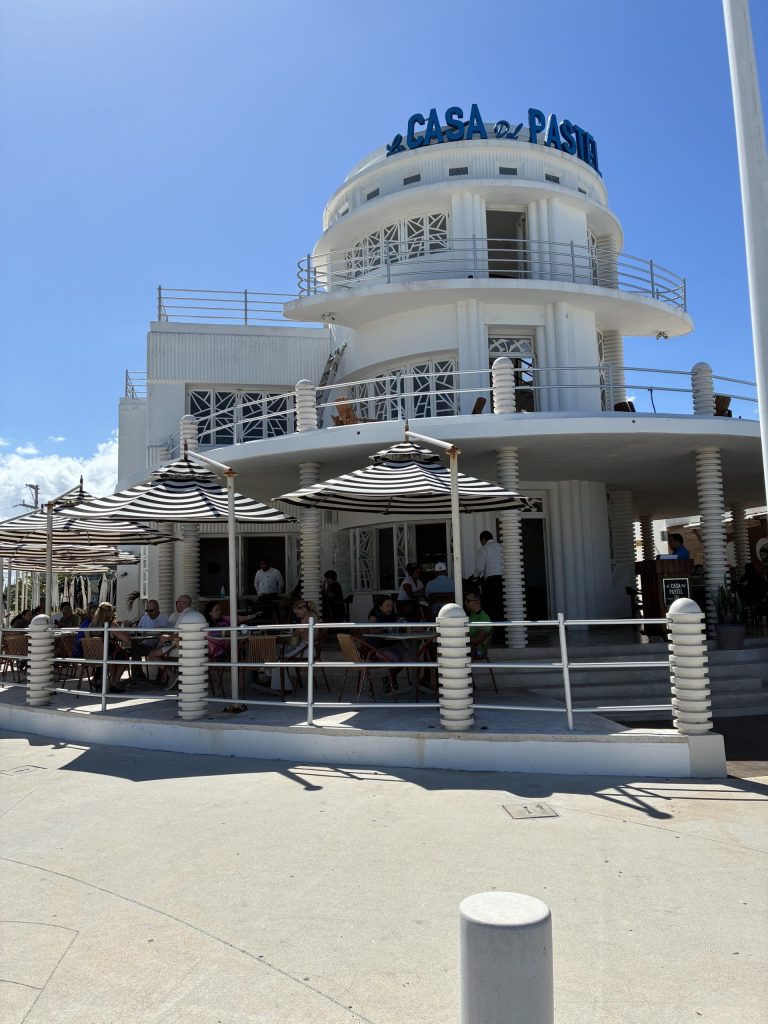
A few interesting stops on the Malecon International include La Casa del Pastel (the cake house) at the far end. This beautiful, white, Art Deco family home was built in 1946 and is now a restaurant. Its name comes from its round shape and 鈥渓ayers鈥� making it look like a wedding cake. Another fun stop on the malecon is the Meteorite Museum, which lays out the history of the asteroid strike in this region that wiped out the dinosaurs.
Chicxulub crater
I didn鈥檛 realize until we got here that we were smack in the middle of the Chicxulub crater, which is centered offshore in the Gulf but named after the nearby inland village of Chicxulub Pueblo.
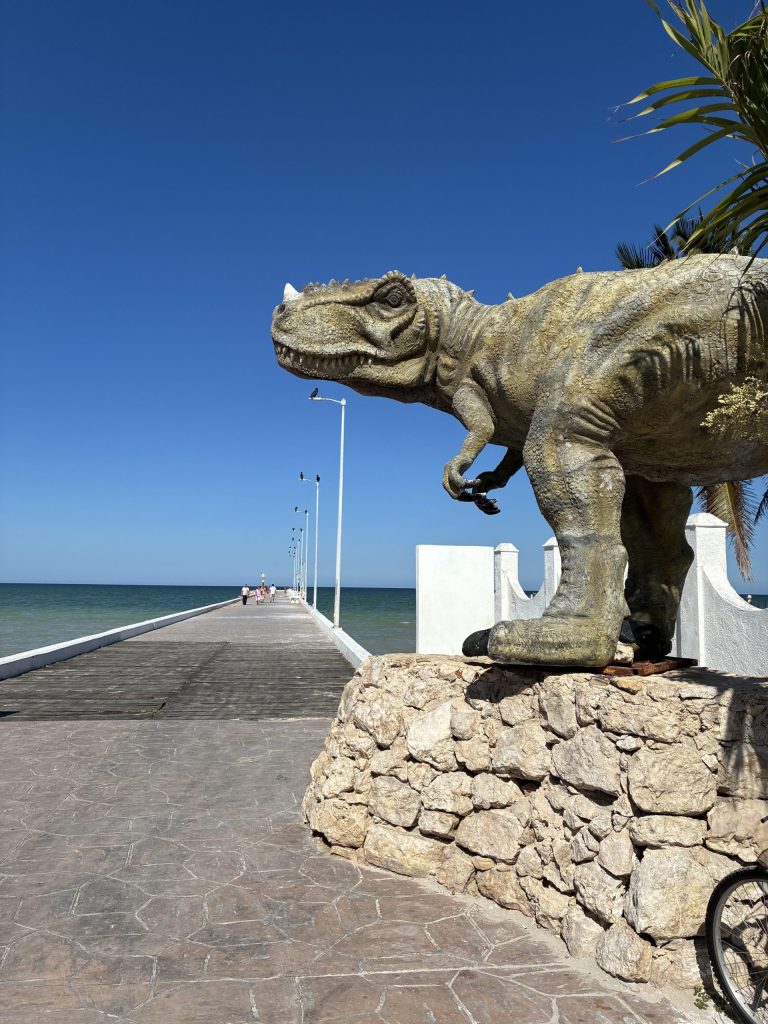
More than 66 million years ago, an asteroid about six miles in diameter slammed into earth here and left an impact crater more than 120 miles in diameter, now buried about a half-mile beneath newer sedimentary rock. It was only discovered in 1970, and while you can鈥檛 see the crater (you鈥檙e sitting inside all of it), geology buffs will enjoy learning about it at museums both in Progreso and nearby Merida. Fun dinosaur statues and signs dot the area in honor of the crater, including some by the pier in little Chicxulub Puerto (a small coastal village about three miles east of Progreso).
If you travel the main road along the coast, Chicxulub sits to the east of Progreso while Chelem and then Chuburna are just west. All three villages are mainly residential, rustic and very quiet with single-family homes and condos for short or long-term rent along with a few small hotels here and there.
If you鈥檙e looking for a hotel stay, downtown (or near downtown Progreso) is a better bet. We stayed in between Progreso and Chicxulub in a quiet neighborhood still easily walkable to a few stores and restaurants. Bicycles and scooters are popular to rent here, but be warned that gasoline is expensive, and car rentals often carry a lot of extra fees for insurance coverage. You really don鈥檛 need a car since the entire area is walkable and also serviced by 鈥渃ombi鈥� vans that are a 50-cent-per-trip rideshare you flag down with a wave of your hand.
Isla Columpios
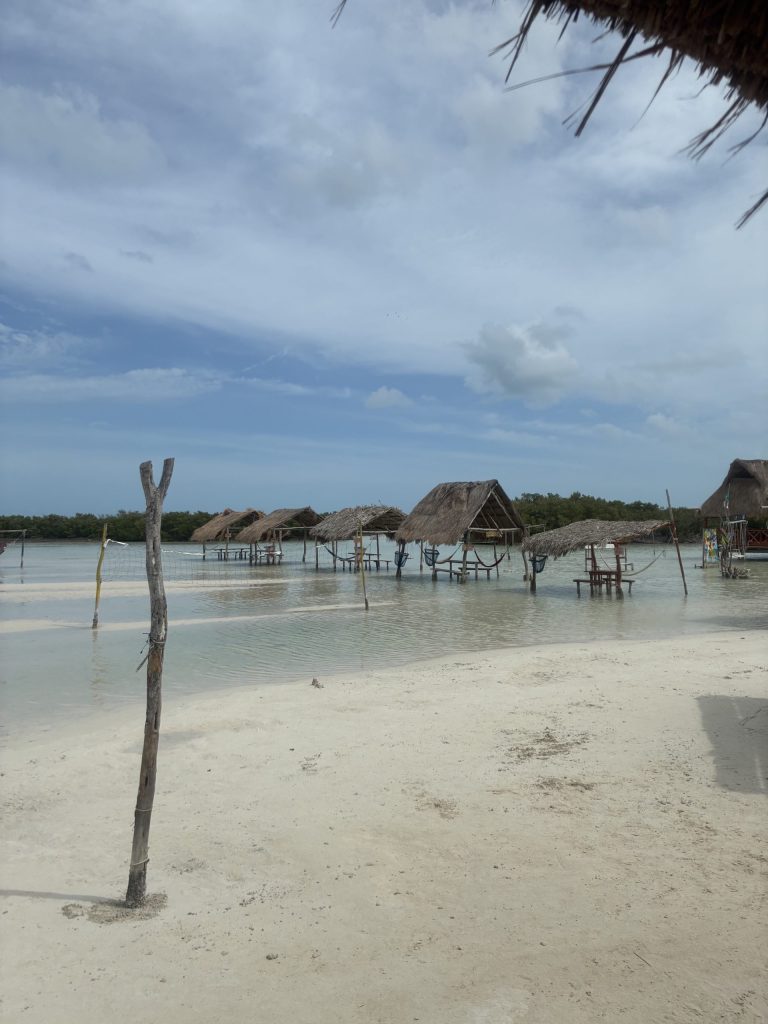
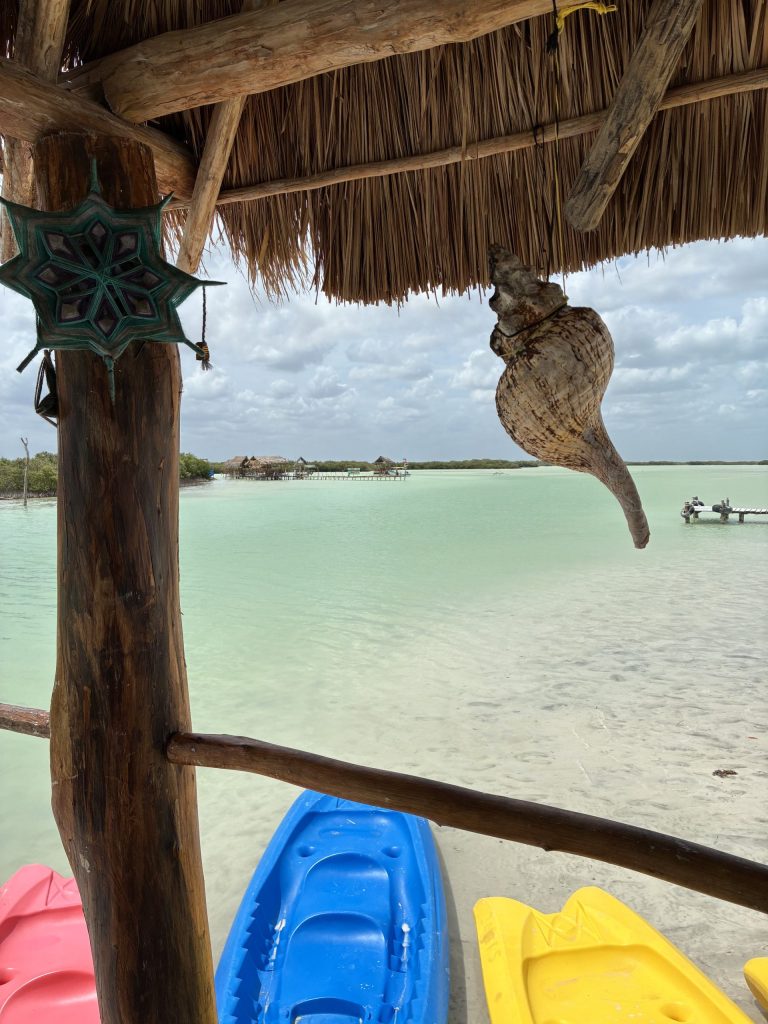
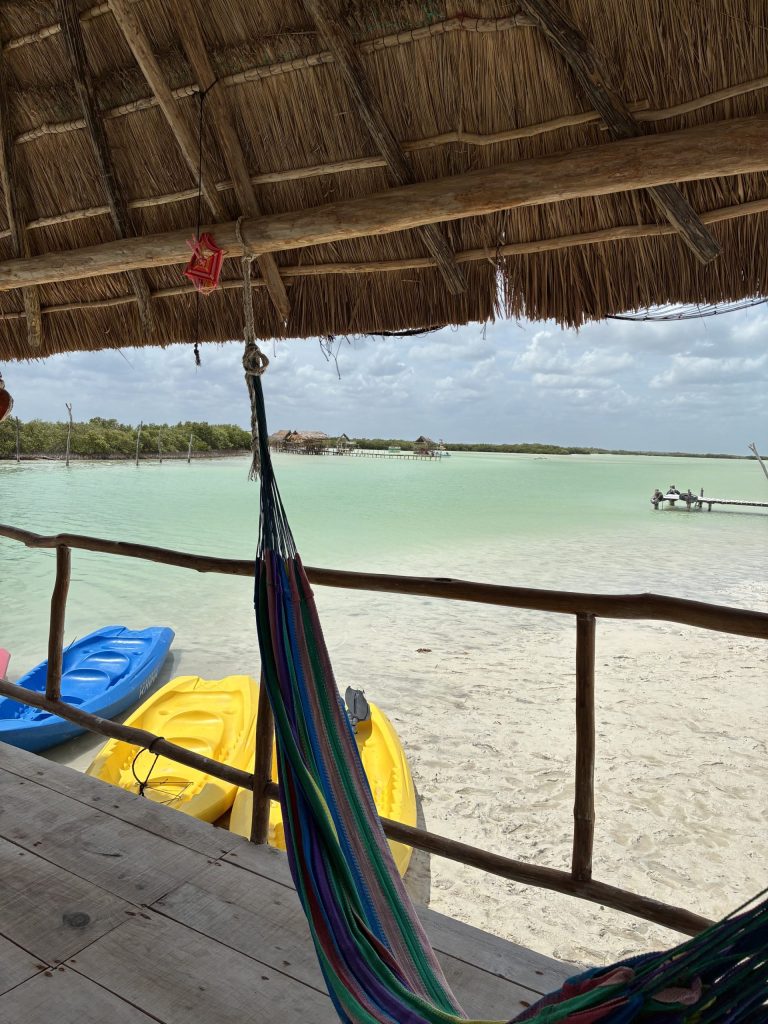
If you鈥檙e looking for the most serene spots here, head even further west near Chuburna to Isla Columpios which translates to 鈥渋sland of swings.鈥� This picturesque spot popped up during COVID lockdown to create a way to socially distance on the beach. Groups of fishermen pulled their resources and built palapas with hammocks and swings in and over the shallow, teal, warm water beside the mangroves creating a little mini village of shaded spots to chill, picnic and swim. Hop in one of their boats and for around $20 per person and they鈥檒l drop you off at their palapa for a three-hour stay. You can bring your own drinks (including booze) and snacks, or buy some there. Enjoy kayaking among the mangroves or simply hop into a hammock or swing over the water while all of your cares wash away with the tide.
颁别濒别蝉迟煤苍
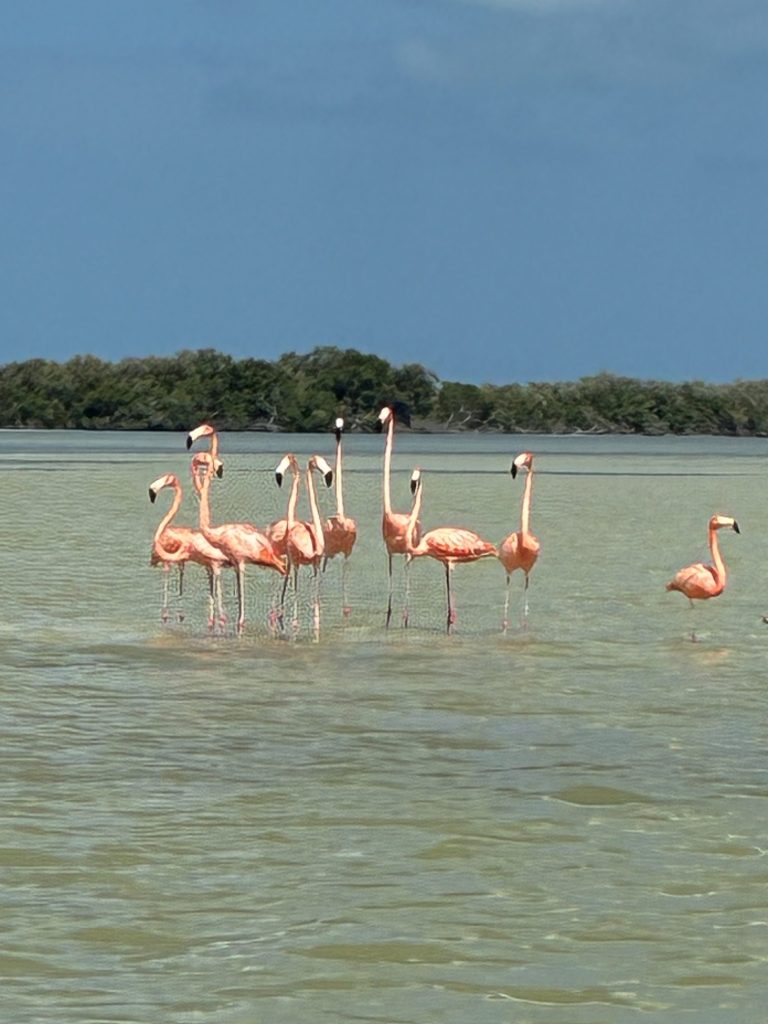
Even further around the west corner of the Yucatan Peninsula sits the small fishing village of 颁别濒别蝉迟煤苍, where local fishermen supplement their income with ecotourism by ushering you into the world of pink flamingos.
This protected biosphere reserve is where tens of thousands of the majestic birds spend their winters feasting on tiny brine shrimp (which turns their feathers pink).
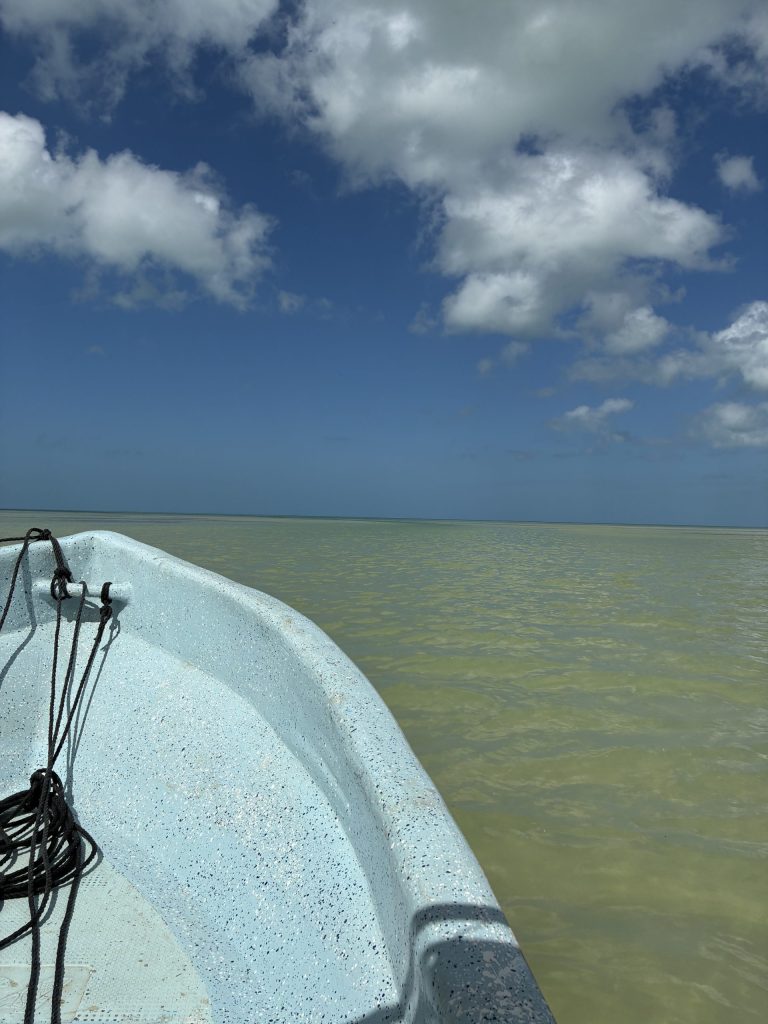
The best time to visit here is from November to March before the birds move east for nesting season starting in April. The boat tours cost around $30 per person with all sorts of wildlife on view including the flamingos, pelicans and even occasional crocodiles hiding in the mangroves.
Getting there
The fastest way to get to this part of the Yucatan Peninsula is to fly into Merida (American and Delta Airlines fly here), then taxi to Progreso. There鈥檚 also a very convenient bus running every 15 minutes between Merida and Progreso that costs only $2 one way.
Southwest and other airlines fly into Cancun cheaper, but you鈥檒l then need a private driver, rental car or a four-hour bus ride to reach Progreso.
While the northern Yucatan Peninsula and Progreso are still off the beaten path for most Americans, it won鈥檛 stay so for long. Getting here may take a little extra effort, but the rustic, laid-back, affordable and friendly atmosphere you鈥檒l discover makes it absolutely worth it.