

Fayette coroner calls for ban on ‘gas station heroin’ after fatal overdose
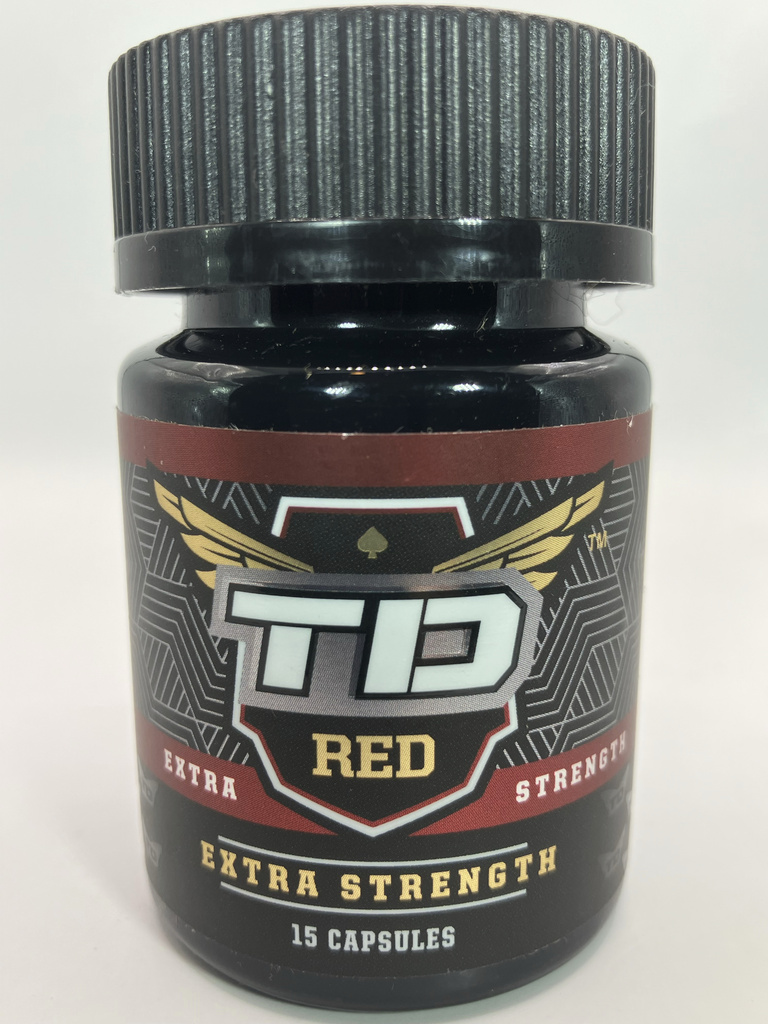
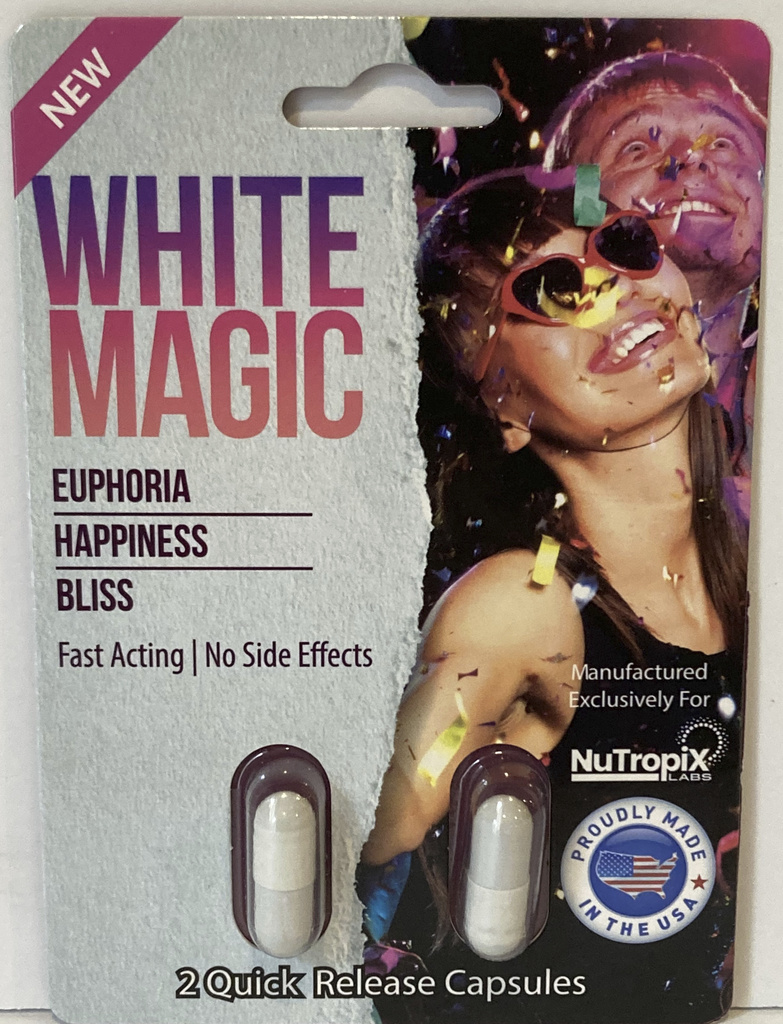
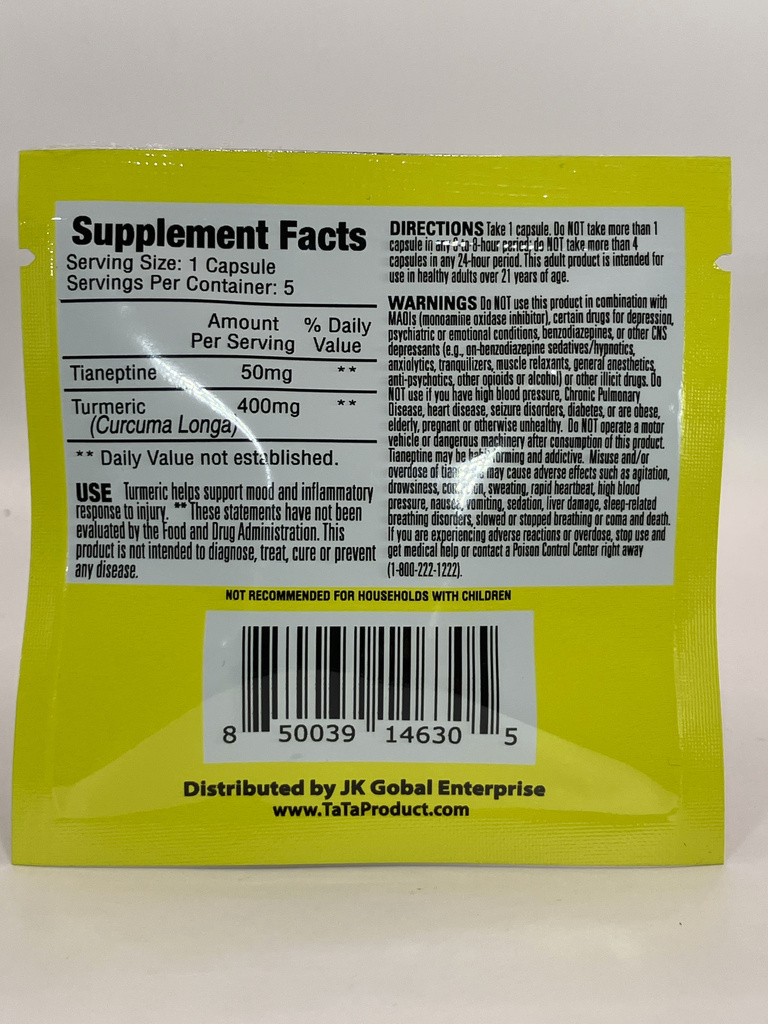
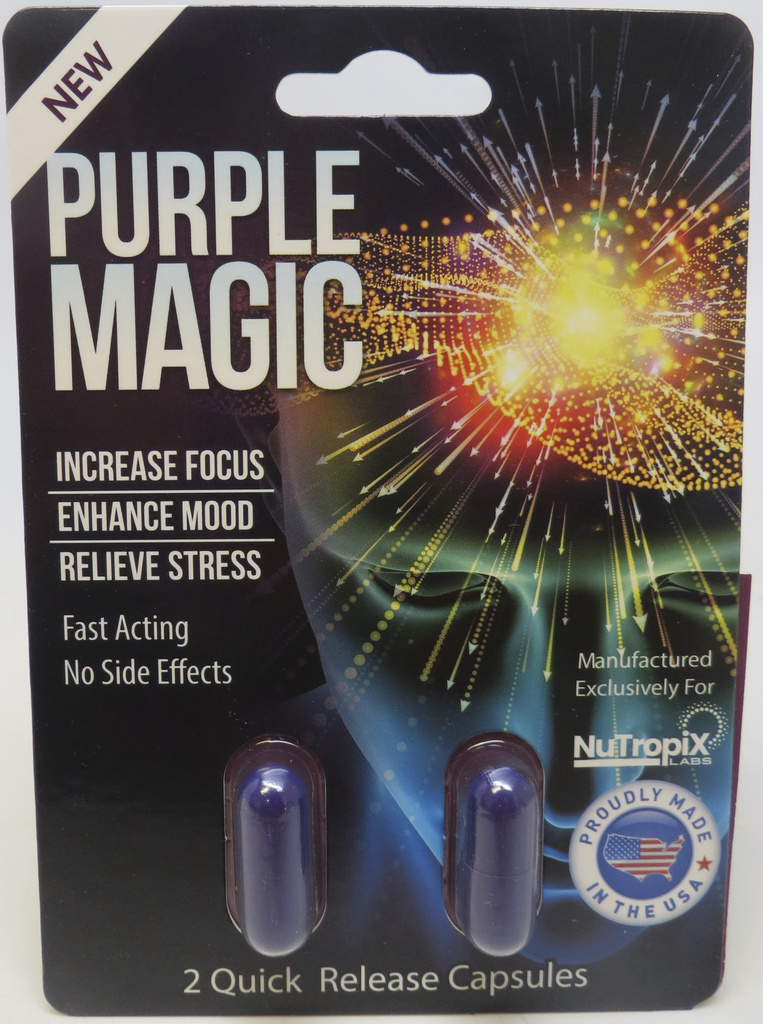
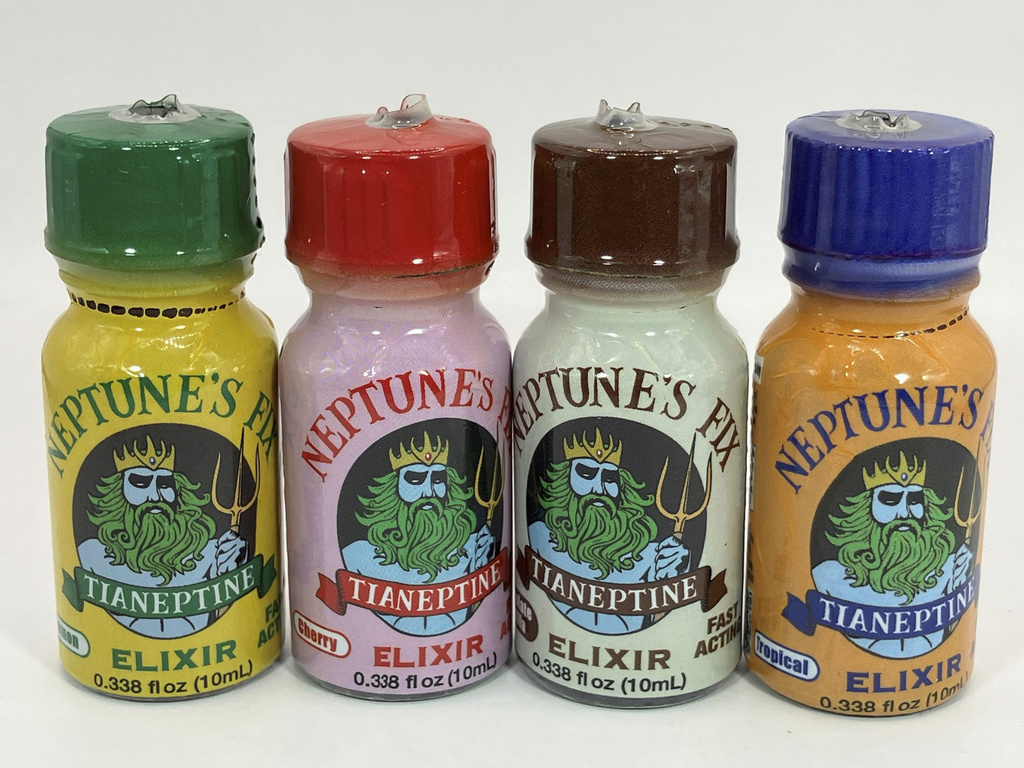
Fayette County’s coroner called for a nationwide ban on tianeptine Tuesday after the county had its first accidental overdose death due strictly to the drug.
Also referred to colloquially as “gas station heroin,� tianeptine is most commonly sold in retail outlets like vape shops or online, Dr. Bob Baker said. It’s sold under product names such as TD Plus, Neptune’s Fix and Pegasus.
The drug, not approved for medical use by the Food and Drug Administration, was first distributed in Europe in the 1980s as an antidepressant.
It acts on opioid receptors in the body, which can lead to respiratory depression and, in some cases, death, said Dr. Ariana Barkley of WVU Medicine Uniontown Hospital.
“We want families to understand that this drug is dangerous, and that any substance not prescribed or recommended by a trusted health care provider may not be safe,� said Barkley, an emergency department physician who is fellowship-trained in addiction.
Baker had spoken with members of the county’s Drug and Alcohol Commission who told him about the opioid-like substance, which he said is highly addictive.
“They had a couple of patients who were detoxing, and they said it was worse than coming off a heroin overdose,� he said.
Baker said the person who died in Fayette County was middle-aged and otherwise healthy. Because the drug is unlicensed, there was no way to tell how much they’d consumed, or in what form, he said.
If people think they are overdosing, Baker said, Narcan could potentially help reverse the effects of the tianeptine, which he said acts as a respiratory suppressant.
Although this was Baker’s first time seeing the drug in a fatality, it’s becoming “very prevalent� around Philadelphia and the eastern part of the state, he said.
The Greene and Washington county coroner’s offices locally said they could not recall the drug coming up in any recent toxicology reports.
Across the country, poison control center cases related to tianeptine exposure rose from four cases in 2013 to around 350 in 2024, according to the National Poison Data System.
Baker is recommending federal legislation to place the drug under Schedule I, which would ban its sale and possession.
“I’d like to be on the forefront, rather than get caught flat-footed,� he said. “And then the laws take so long to get into effect, and now we’re beating or fighting addiction, overdose deaths. If we can catch this up front, I really think we’d be ahead of the curve.�
Fifteen states have banned the drug, most recently Connecticut.
Efforts are also underway to do the same in Pennsylvania, with bills pending in the House and Senate.
Rep. Andrew Kuzma, whose district includes parts of Washington and Allegheny counties, introduced House Bill 377, which would ban the sale, possession and manufacture of the drug.
Kuzma introduced the bill in response to an issue one of his constituents was having.
Since then, he’s received testimonials from people throughout the state telling him how the drug has impacted them. They mainly fall into two groups, he said: truckers who are looking for a way to stay awake, and teenagers and early adolescents who are vaping.
Some people are using up to eight bottles a day, he said, with overdoses potentially leading to coma or death.
“It’s overdosing on something almost identical to heroin, and there’s absolutely no reason why it should be sold here,� he said. “…It’s a sketchy, sketchy dietary supplement we have to get rid of.�
The bill unanimously passed out of the Judiciary Committee.
“Aside from the manufacturers,� Kuzma said, he hadn’t heard of any disapproval for banning the drug.
“Every advocacy group on every end of the spectrum is in favor of this,� he said. “We have bipartisan support, unanimous out of the Judiciary Committee, and I see us having a pretty good likelihood of getting signed into law.�