

Region breaks records for wettest first half of August
Tornados nearly triple 30-year average
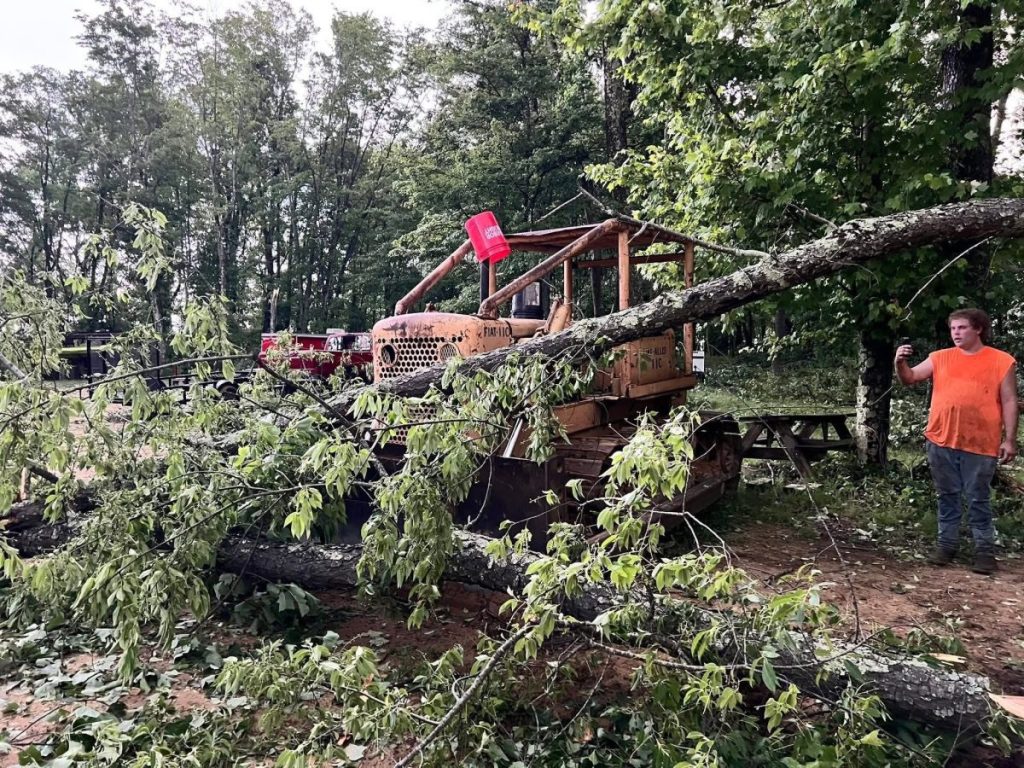
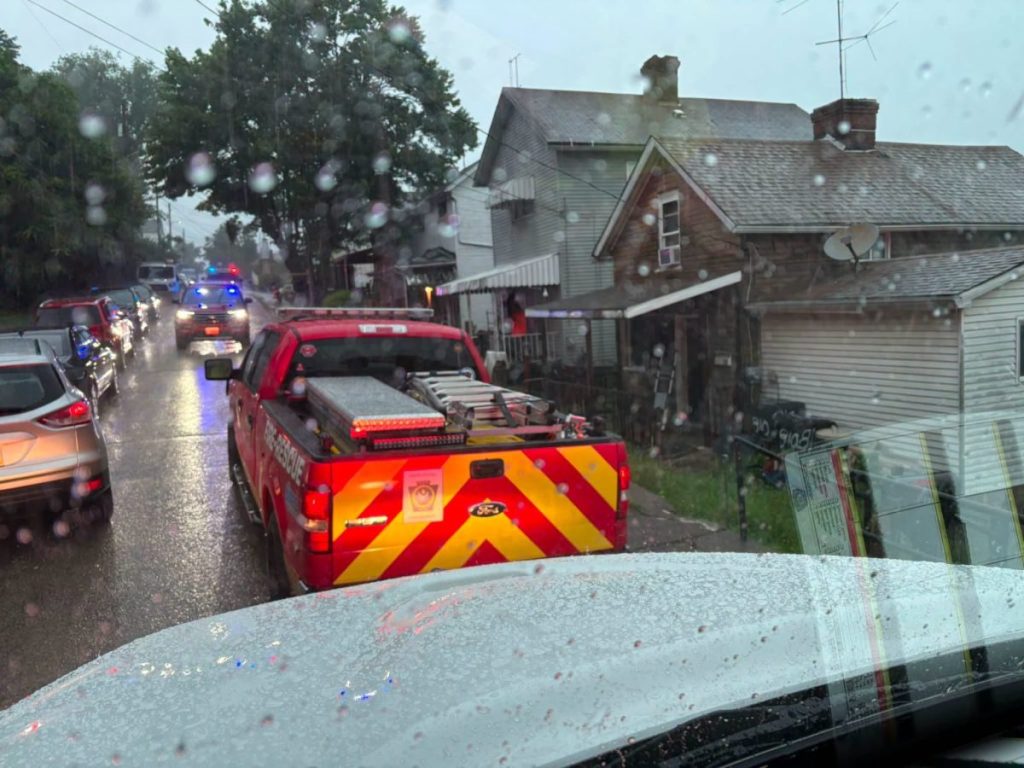
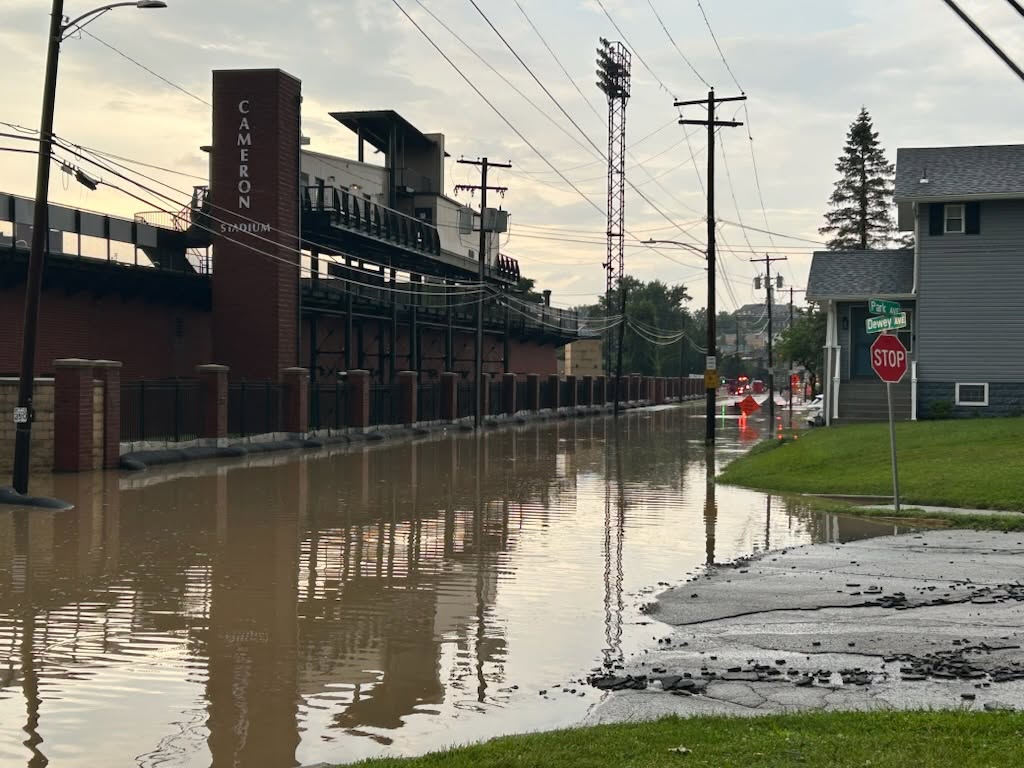
The National Weather Service in Pittsburgh confirmed the region broke its annual record with 30 tornadoes and experienced the wettest first half of August on record, receiving nearly 6 inches of rain by the middle of the month.
鈥淚t鈥檚 been a really active second half of the summer, especially in terms of rain, as well as in tornado counts, which have been picking up,鈥� said Adam Kienzle, a meteorologist for the NWS in Pittsburgh.
According to the NWS, the region recorded its wettest first half of August on record, and the weather service issued multiple flash flood warnings and advisories as persistent rainfall saturated the ground, causing creeks, streams, and roads to flood.
Measurable rainfall reached nearly 6 inches by Aug. 16, which is about 4 inches above normal and already well past the typical 3.52-inch total expected for the entire month.
With the extremely wet start to the month, the Pittsburgh area could reach the all-time record of 7.86 inches for August, set in 1987.
The 10-day outlook calls for an above-average chance of above-normal rainfall, with a chance of rain late Saturday, Kienzle said.
A break in the excessive rainfall could occur in September, with forecasts predicting an average amount of rainfall.
Meanwhile, 30 total tornadoes have been confirmed for 2026 in the NWS Pittsburgh coverage area, which includes western Pennsylvania, northern West Virginia, and eastern Ohio. That total surpasses the total of 29 in 2024 for the most on record in a single year.
Western Pennsylvania has seen 24 tornadoes so far this year, including three in Washington County and four in Fayette County.
Meteorologists note that the 30 tornadoes are nearly triple the region鈥檚 30-year annual average of 10 twisters.
There are a variety of factors at play, including advanced meteorological technology, more people who are following storms, and the prevalence of social media.
鈥淭he technology that helps us detect storms is the best it鈥檚 ever been, and also there are more people who are more weather-aware than ever,鈥� said Kienzle. 鈥淎nd I think social media plays a role. We鈥檙e receiving reports of severe weather because people are recording storms on their phone; they鈥檙e taking video.鈥�