

Pittsburgh photos by Gordon Parks focus of a Carnegie Museum exhibit
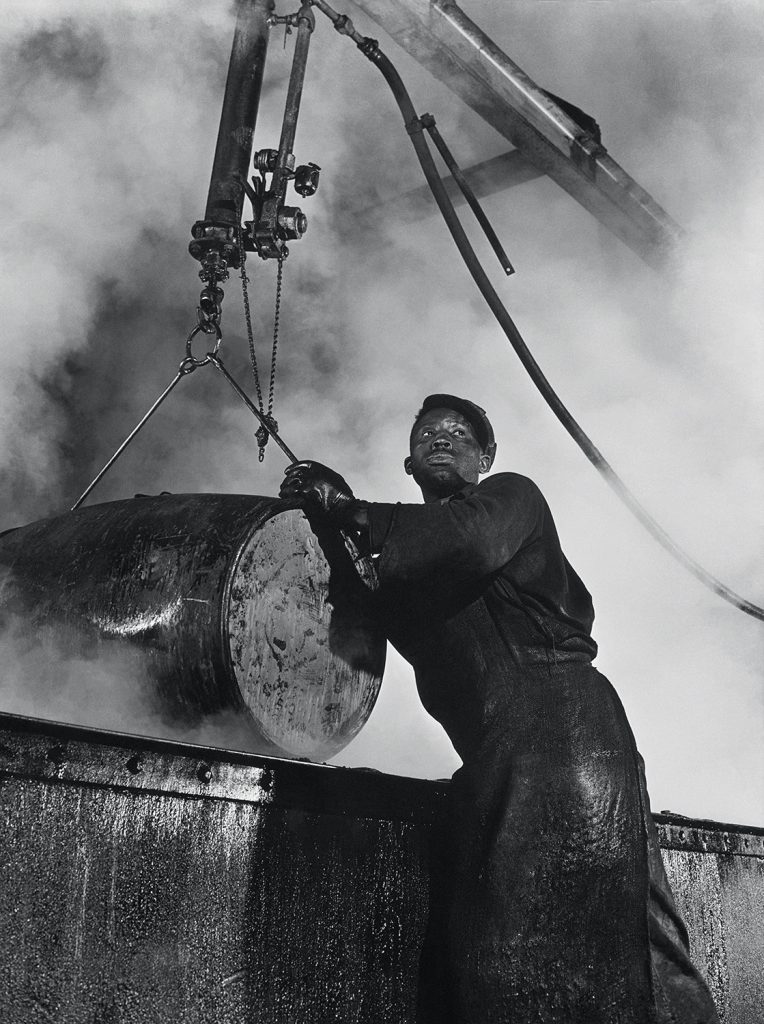
Renowned photographer Gordon Parks captured images of workers at Pittsburgh grease plant in the mid-1940s.
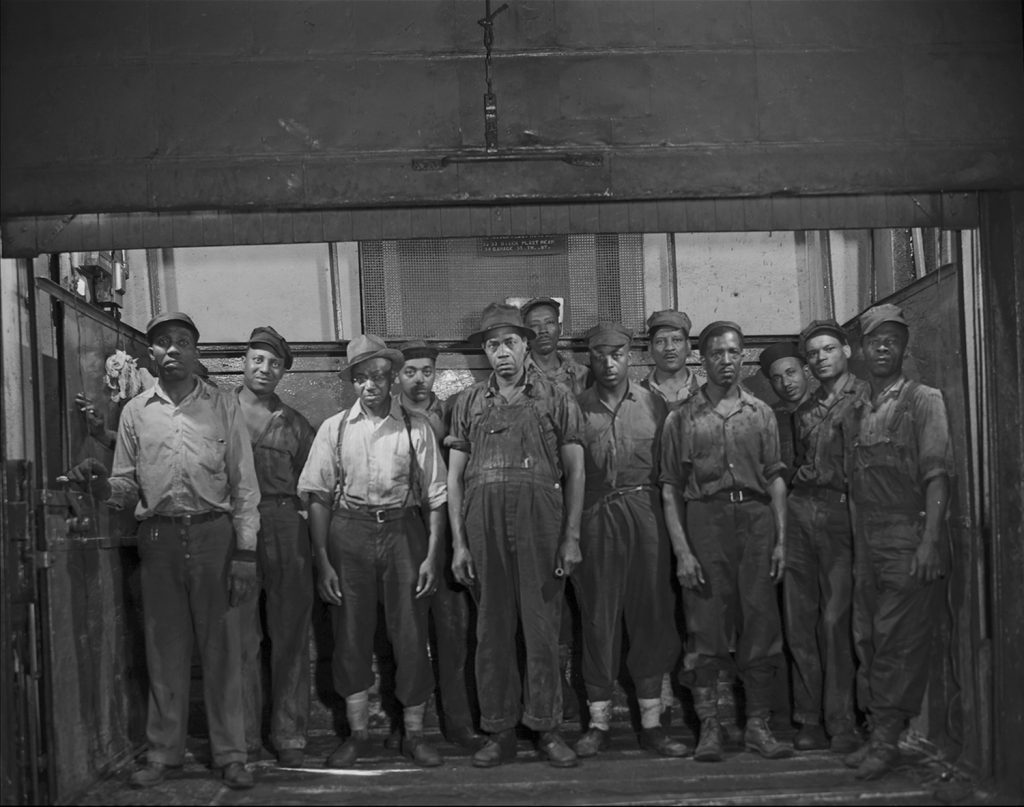
Gordon Parks/Courtesy of the Gordon Parks Foundation
Workers at the Penola grease plant in Pittsburgh in the 1940s, included in an exhibit opening at the Carnegie Museum of Art.
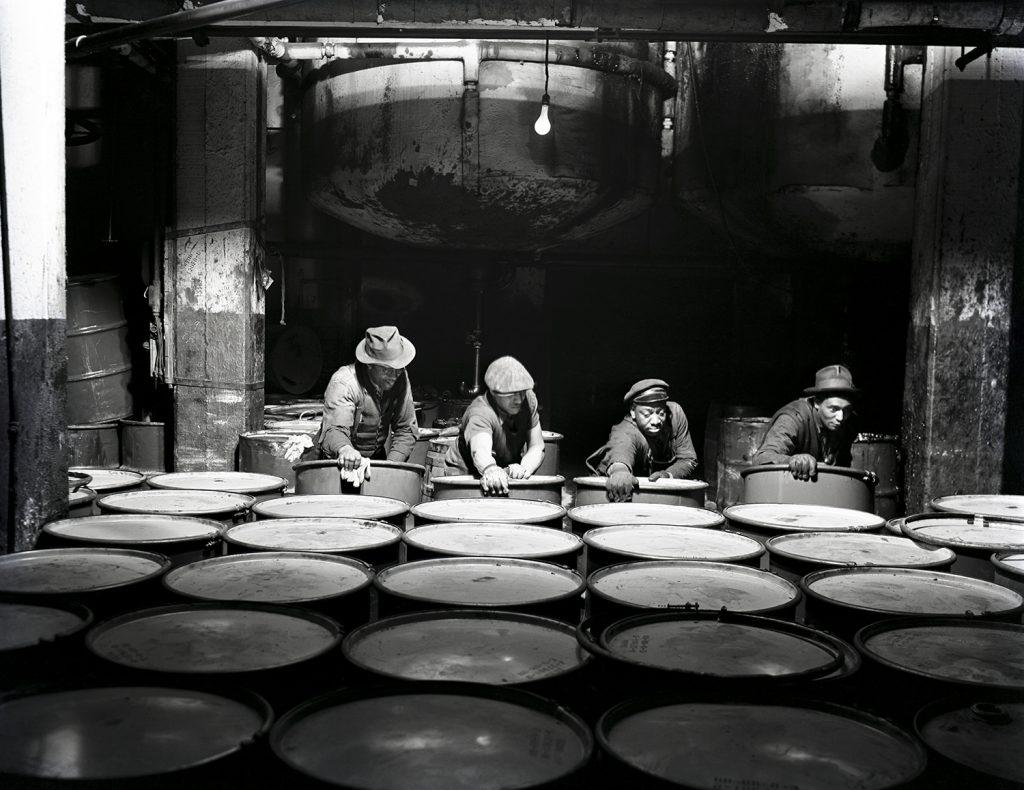
Photos that Gordon Parks took in Pittsburgh in 1944 and 1946 are he subject of an exhibit at the Carnegie Museum of Art through August.
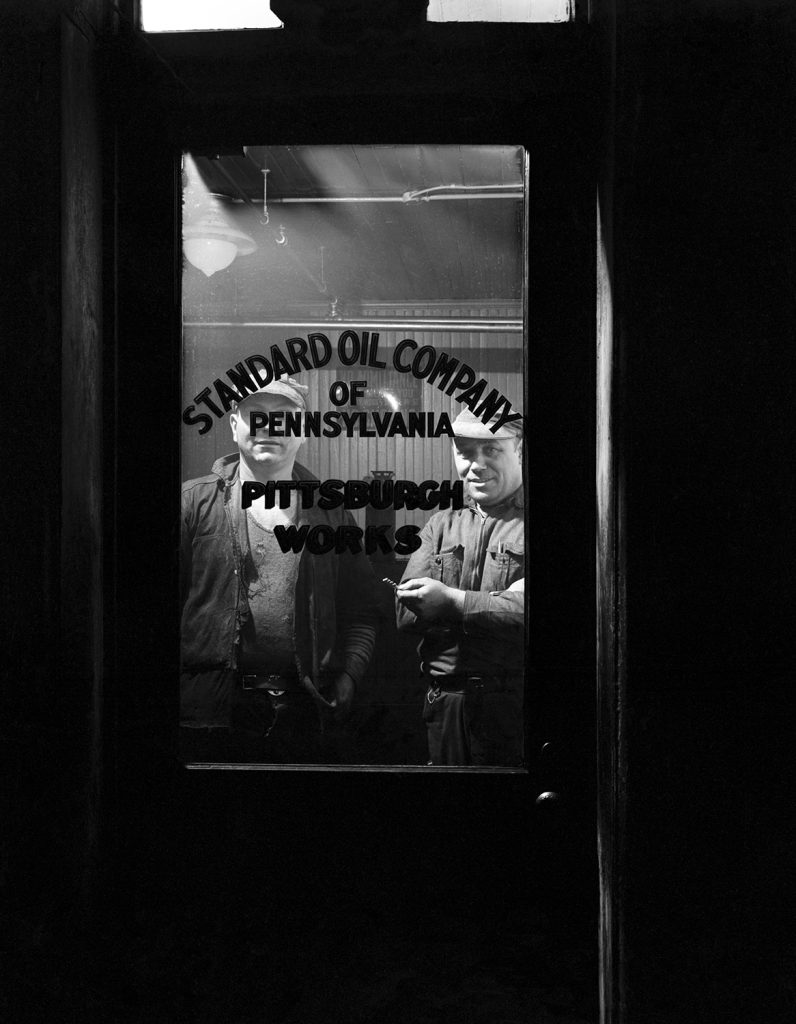
Photos by Gordon Parks are being exhibited at the Carnegie Museum of Art through August.
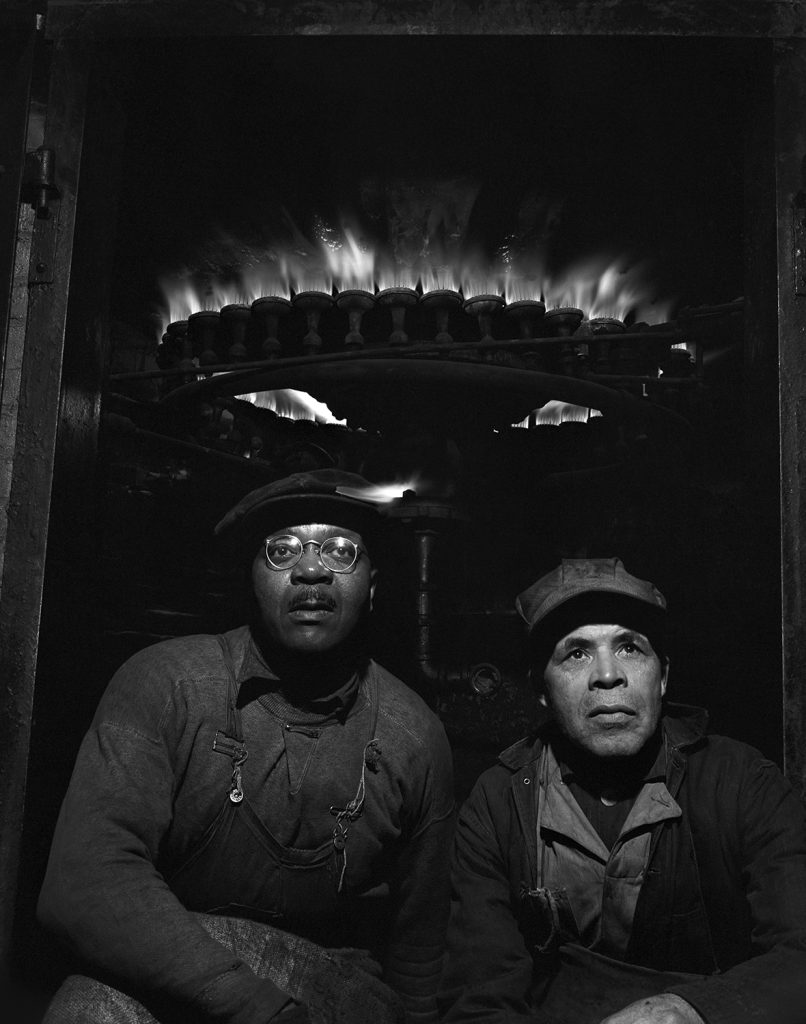
Gordon Parks, who took this photo in Pittsburgh in the 1940s, created a variety of different work in his long career.
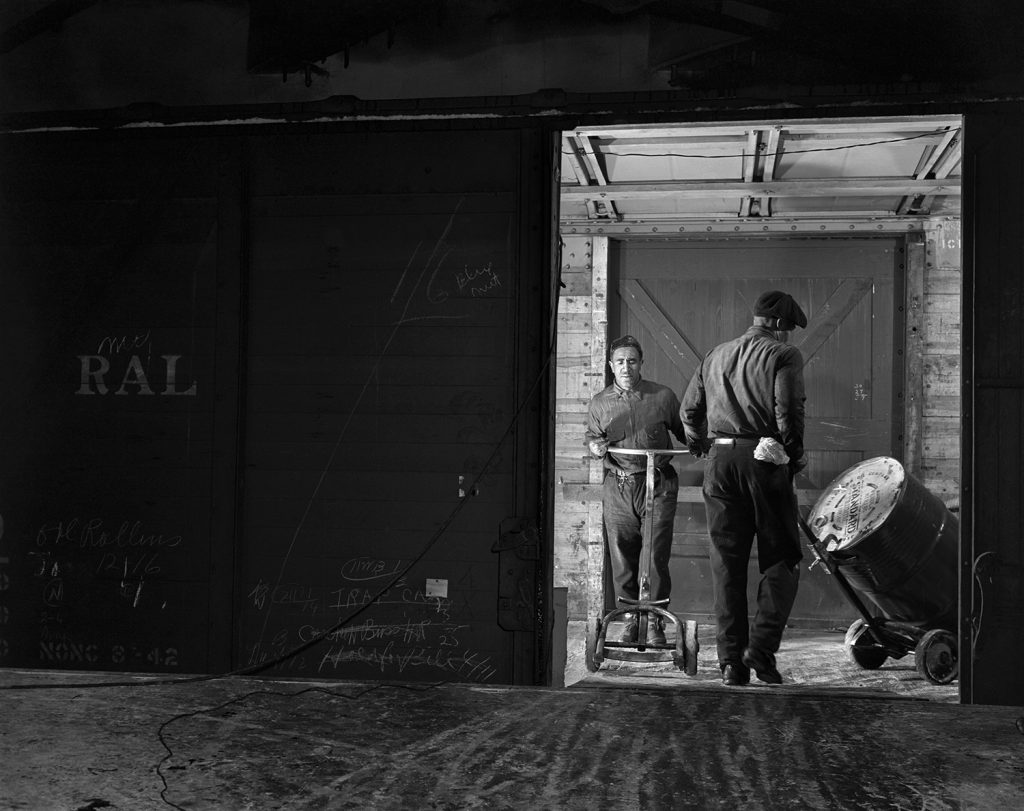
Gordon Parks' photos at the Penola grease plant in Pittsburgh focused on people and the work they did.
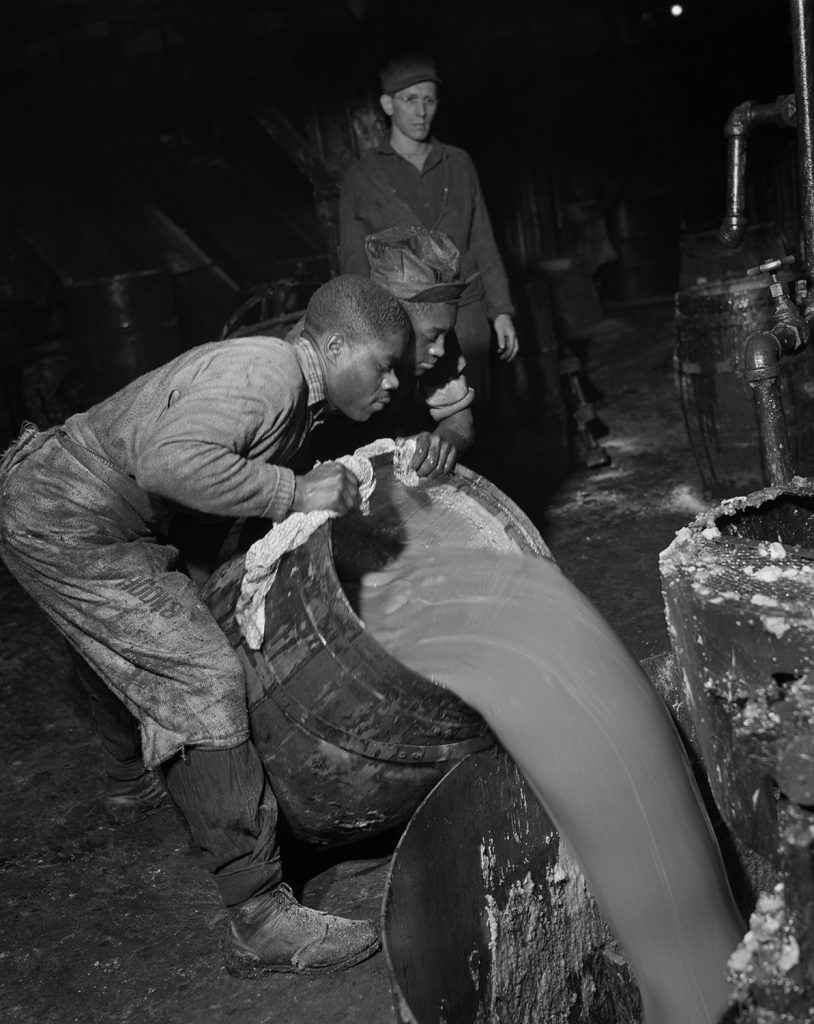
Gordon Parks captured laborers in the Penola grease plant in Pittsburgh in the 1940s in a series of photographs that are going on display at the Carnegie Museum of Art.
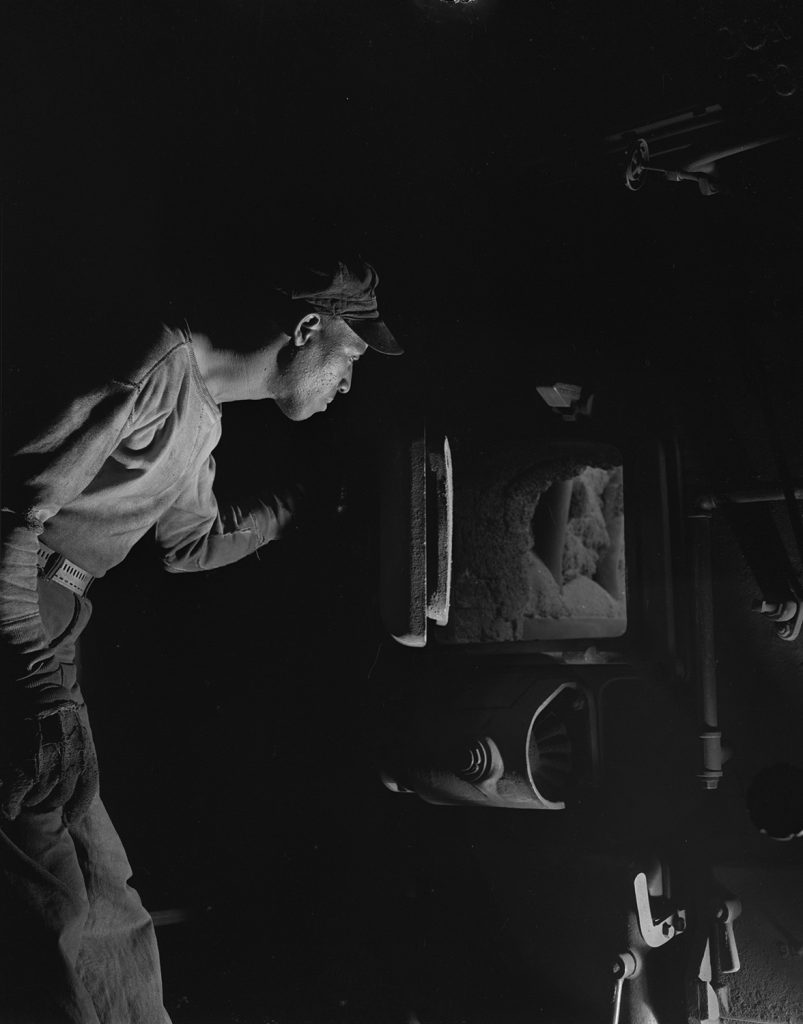
"Gordon Parks in Pittsburgh 1944/46" includes images the photographer captured in Pittsburgh during two visits.
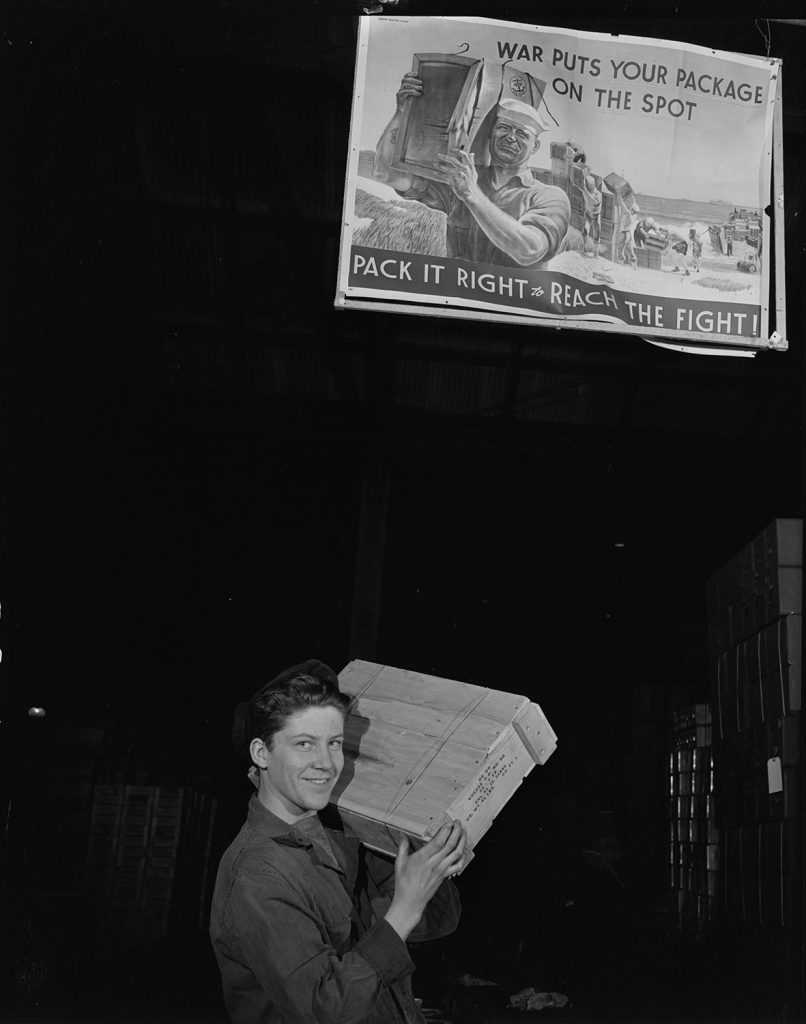
Gordon Parks, who was also a fashion photographer and filmmaker, took industrial photos in Pittsburgh in the 1940s.
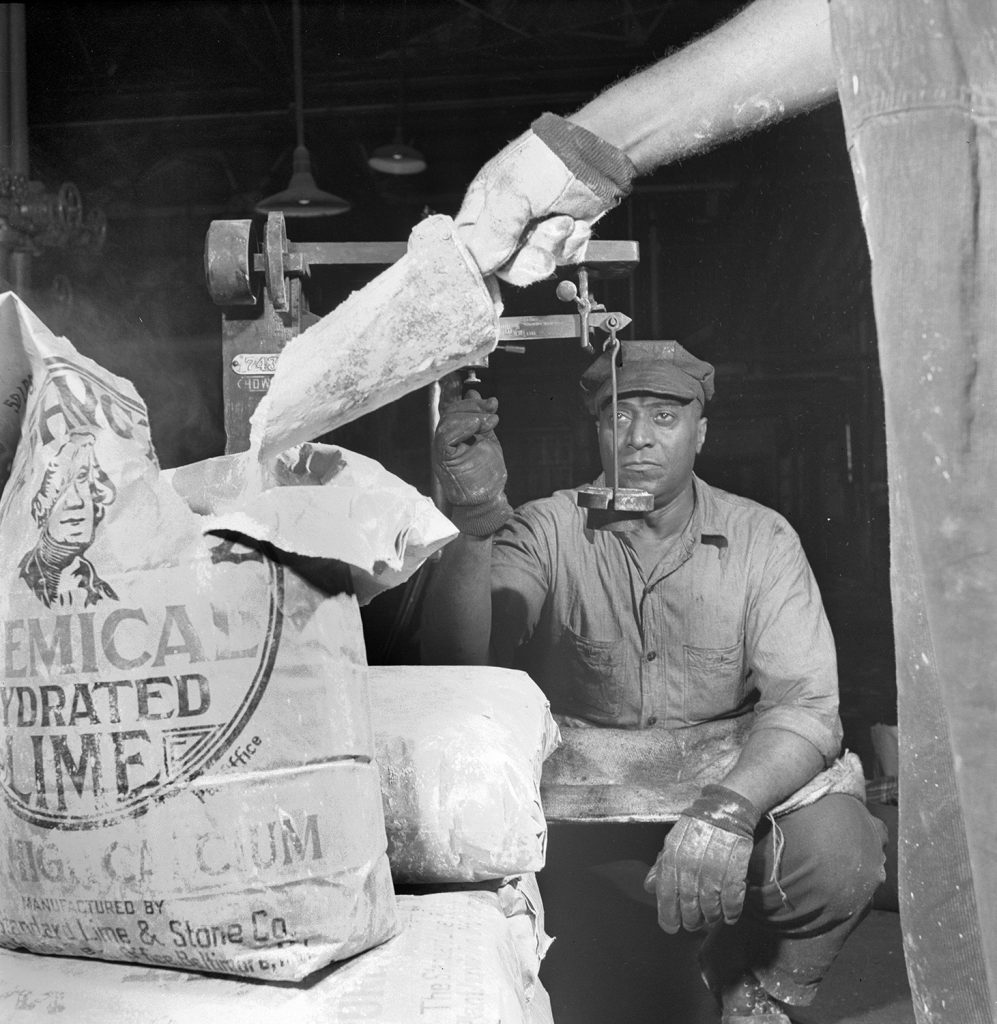
Gordon Parks' Pittsburgh photographs are going on display at the Carnegie Museum of Art.
Gordon Parks was the 15th of 15 children, grew up poor in rural Kansas when Jim Crow held sway, was on his own by the time he was 15, and at one point was playing piano in a brothel to get a few dollars in his pocket.
Yet, despite these inauspicious beginnings, Parks became one of 20th-century America鈥檚 most accomplished Renaissance men.
Perhaps best known for writing and directing the blaxploitation classic 鈥淪haft,鈥� Parks also penned books of poetry, composed a symphony, created a ballet, wrote novels, was the editorial director for Essence magazine and produced abstract paintings. He was also a self-taught photographer whose subjects ranged from Alabama families suffering under segregation to fashion models and Malcolm X. Life and Vogue magazines were outlets for his work, and his photographs have since been displayed at the Smithsonian Institution, the Art Institute of Chicago, the Boston Museum of Fine Arts and scores of other institutions.
鈥淣othing came easy,鈥� said Parks, who died at age 93 in 2006. 鈥淚 was just born with a need to explore every part of my mind. And with long searching and hard work, I became devoted to my restlessness.鈥�
The Carnegie Museum of Art is surveying a relatively unheralded chapter in Parks鈥� long career through the exhibit 鈥淕ordon Parks in Pittsburgh, 1944/1946,鈥� which opened April 30. It features more than 50 images Parks captured at the Penola, Inc., grease plant on two separate visits to the city under the auspices of Standard Oil, as the company looked to burnish its image during World War II. Parks鈥� assignment was to photograph the plant鈥檚 workers as they manufactured 鈥淓isenhower grease鈥� being used by U.S. forces in Europe in their drive to vanquish Nazi Germany. During his 1946 stop, Parks was photographed by Charles 鈥淭eenie鈥� Harris, the acclaimed Pittsburgh Courier photographer whose work shines a light on Black life in Pittsburgh and the United States from the 1930s to the 1970s.
鈥淛ust the idea that these two titans of postwar photojournalism were in the same room at the same time in Pittsburgh is so inspiring,鈥� said Dan Leers, the Carnegie Museum of Art鈥檚 curator of photography. 鈥淚 wish I could have been a fly on the wall in that room.鈥�
Leers pointed out that, in his photos at the grease plant, Parks is 鈥渢elling the story of the industry, but he鈥檚 also telling a story through the focus of the people doing the work.鈥�
One thread that runs through Parks鈥� work, whether on celluloid, on canvas or on the printed page, is his understanding of, and empathy for, people, Leers explained.
鈥淗e had such a keen sense for who these individuals were that he was depicting, and communicated a sense of their character and their individuality. He had that humanistic eye while he was here in Pittsburgh. He is telling the story of the industry, but he鈥檚 also telling a story through the focus of the people doing the work.鈥�
The humanism that was so integral to Parks鈥� work was a product of his own early trials, Leers noted. Parks himself once said, 鈥淚 suffered first as a child from discrimination, poverty鈥o I think it was a natural follow from that that I should use my camera to speak for people who are unable to speak for themselves.鈥�
According to Leers, 鈥淗e took everything he learned in life and poured it into his work with the camera.鈥�
Two events are planned to accompany the exhibit. The first is the launch of the book accompanying the exhibit on Thursday, May 19 at 6 p.m., with Mark Whitaker, the author of the Pittsburgh history 鈥淪moketown鈥� on hand. Then, on Thursday, May 26 at 6 p.m., there will be a discussion on finding family members and uncovering community history within the museum鈥檚 archives.
鈥淕ordon Parks in Pittsburgh, 1944/1946鈥� will be at the Carnegie Museum of Art through Sunday, Aug. 7. For additional information go online to www.cmoa.org, or call 412-622-3131.