

Presenting a slice of ‘War and Peace’ in musical form

Actor Nick Rehberger, who plays Pierre in the Pittsburgh CLO production of “Natasha, Pierre and the Great Comet of 1812.”

Sandra Okuboyejo plays Natasha in the Pittsburgh CLO’s “Natasha, Pierre and the Great Comet of 1812.”
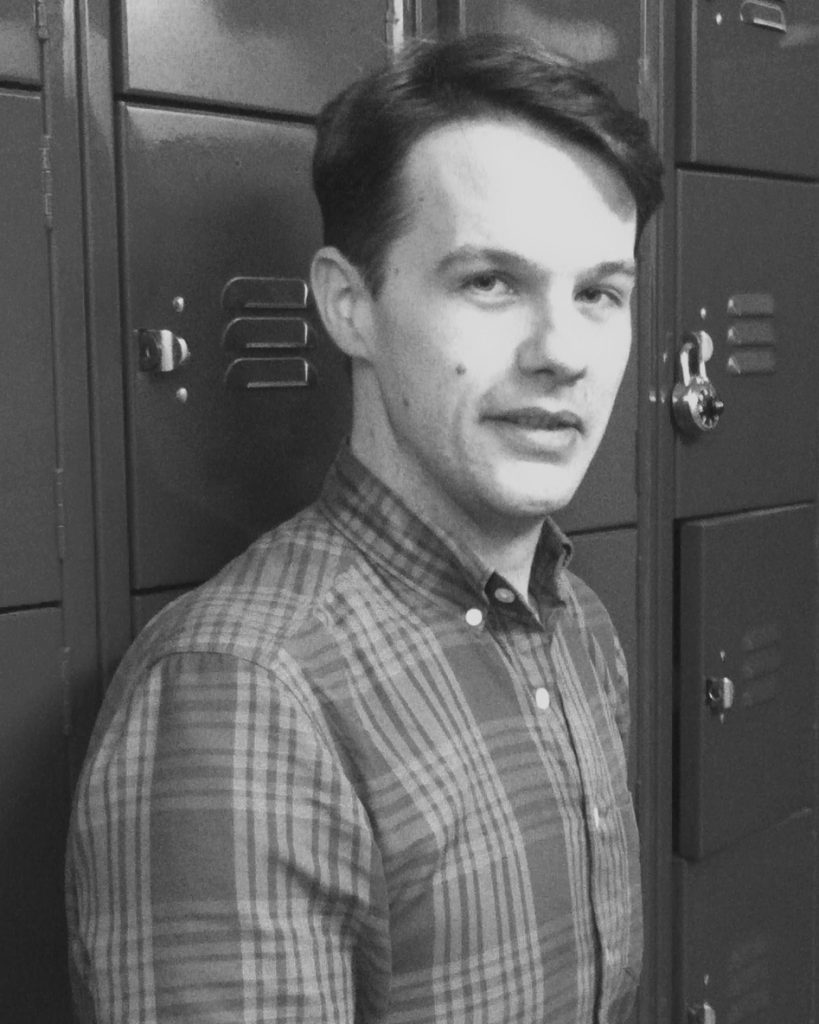
Timothy Mackabee, the set designer for “Natasha, Pierre and the Great Comet of 1812.”

Dontee Kiehn, the director of “Natasha, Pierre and the Great Comet of 1812.”
When the musical “Natasha, Pierre and the Great Comet of 1812” was on Broadway in the middle part of the last decade, it was a rare beast on the Great White Way.
It wasn’t a long-running hit, a revival, a jukebox musical stringing together beloved pop hits or an on-stage rendering of a beloved movie. But the musical was derived from one of the most revered artistic properties of the last couple of centuries.
“Natasha, Pierre and the Great Comet of 1812” is based on a 70-page slice of Leo Tolstoy’s mammoth “War and Peace,” arguably the Mount Everest of literary achievement and time commitment. Boiling it down to its simplest terms, “Natasha, Pierre and the Great Comet of 1812” tells the story of one character’s romantic travails and another character’s search for meaning. It was created by Cleveland-area native and Ohio University graduate David Malloy, and bowed off-Broadway in 2012. During its one-year Broadway run, “Natasha, Pierre and the Great Comet of 1812” was nominated for 12 Tony Awards, and won two, for set design and lighting design.
Timothy Mackabee, the set designer for the Pittsburgh CLO production of “Natasha, Pierre and the Great Comet of 1812,” which will be opening Tuesday at the Benedum Center, offers assurances that no prior knowledge of “War and Peace” is necessary to wrap your head around the musical, never mind having plowed through the whole novel.
“You do not need to bring any information to it,” he explained. “You do not need a rich history in Tolstoy to understand or enjoy the show.”
“Natasha, Pierre and the Great Comet of 1812” was presented last year by Carnegie Mellon University’s drama school, but the Pittsburgh CLO production is the first time it has been presented in one of the city’s downtown theaters. It’s directed by Dontee Kiehn, who has helmed recent Pittsburgh CLO productions of “Brigadoon” and “Oklahoma!,” and has most recently been the associate director of “MJ: The Musical,” about the life and music of Michael Jackson. She explained on the phone from Chicago last week that “Natasha, Pierre and the Great Comet of 1812” is “steeped in realism and steeped in the reality of what the story is.”
But, she continued, “I think it’s been crafted so beautifully, the story and everything that transpires within the piece. It’s just an extension of ‘War and Peace.’ Honestly, we couldn’t do the whole story, because that would be quite a long time for people to be in the theater.”
“Natasha, Pierre and the Great Comet of 1812” has been characterized by Malloy as an “electropop opera,” and it melds together a host of musical styles, from Russian folk to indie rock. It is “sung-through,” meaning that all the dialogue is sung from start to finish. This being the case, does it bear comparison to “Les Miserables,” another sung-through musical based on a daunting literary classic?
“That’s a very smart parallel,” Kiehn said. “It’s a classic work of art, a classic piece of writing that’s been very artfully done, but also been made very accessible to audiences who may not know the foundational material, or maybe aren’t even familiar with theater, to be honest. I think’s really accessible to a broad spectrum of theatergoers.”
She continued, “It’s so breathtakingly beautiful. There’s a gorgeous love story, there’s a gorgeous tone of optimism and hope. … I also think the eclectic music styles, the orchestration, it just feels like there’s a little bit for everyone.”
“Natasha, Pierre and the Great Comet of 1812” will be at the Benedum Center through Sunday, Aug. 27, and will close out the Pittsburgh CLO’s summer season. For showtimes and additional information, go online to pittsburghclo.org.