

‘Green Book’ exhibit looks back at guide Black travelers needed to travel safely
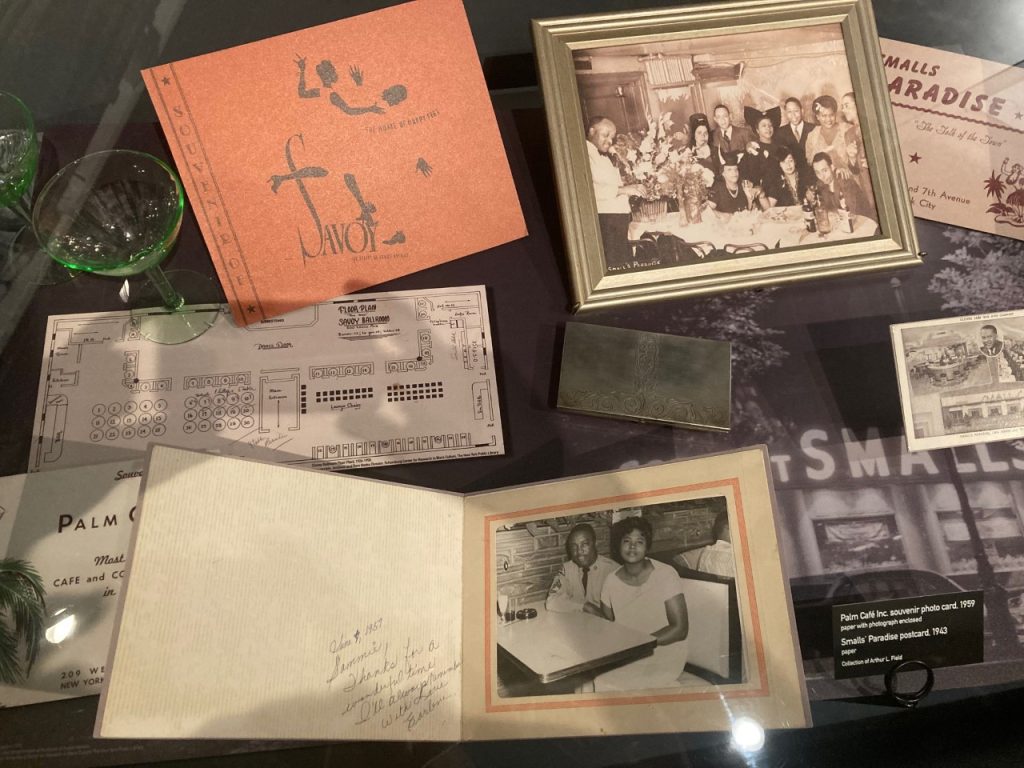
Some of the artifacts in the exhibit "The Negro Motorist Green Book" at the Senator John Heinz History Center.
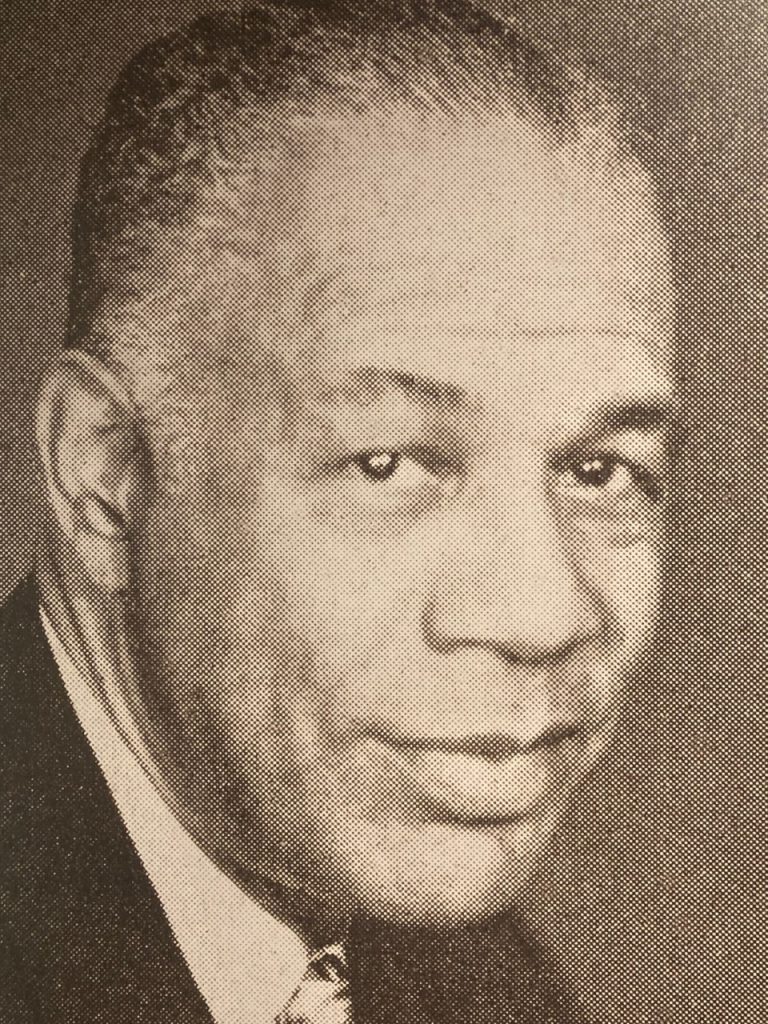
Victor Hugo Green, the Harlem postman who created the Green Book.
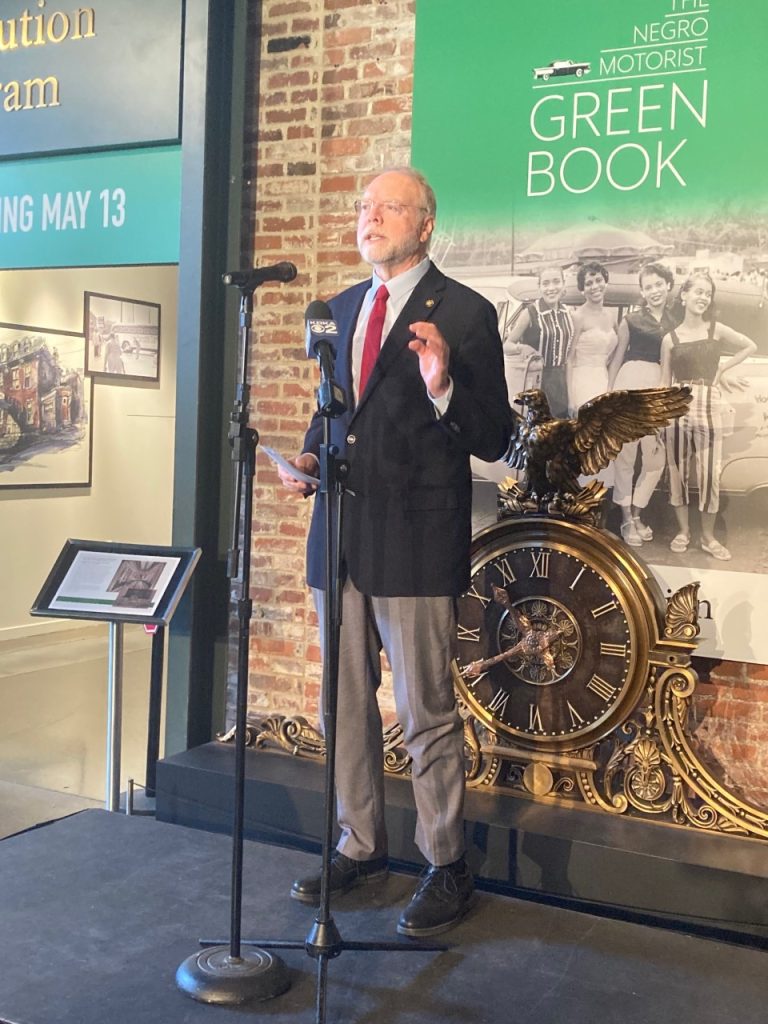
Andy Masich, president and CEO of the Senator John Heinz History Center, discusses the exhibit "The Negro Motorist Green Book."
Courtesy of the Senator John Heinz History Center
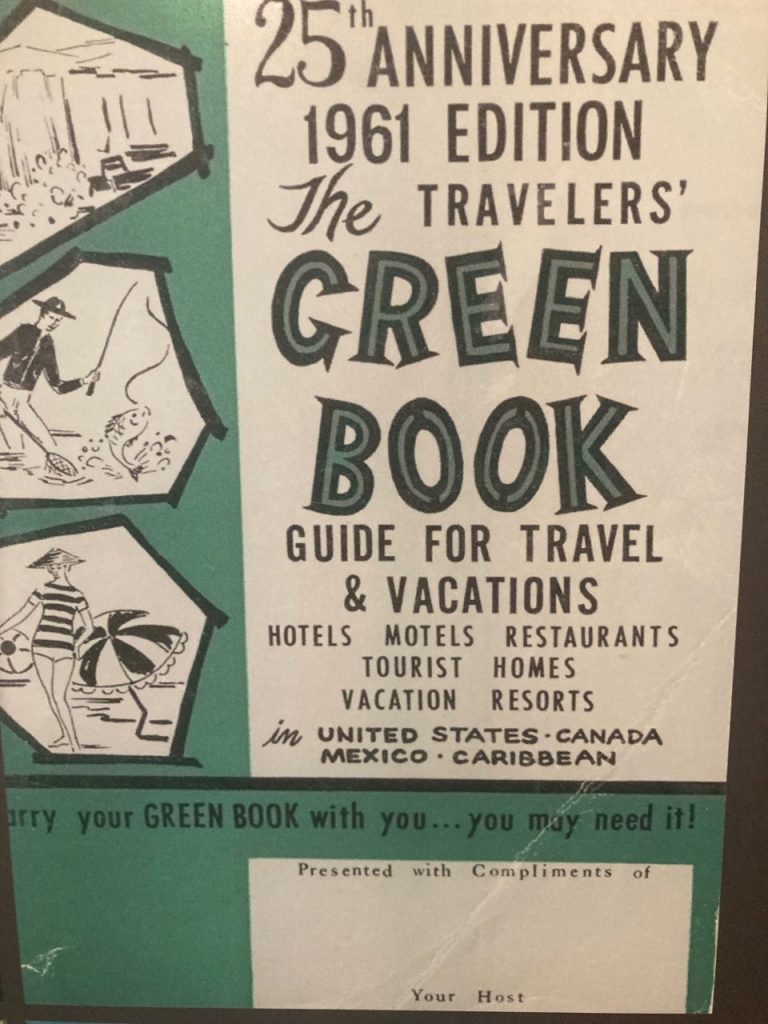
A cover of the 25th anniversary edition of the Negro Motorist Green Book.
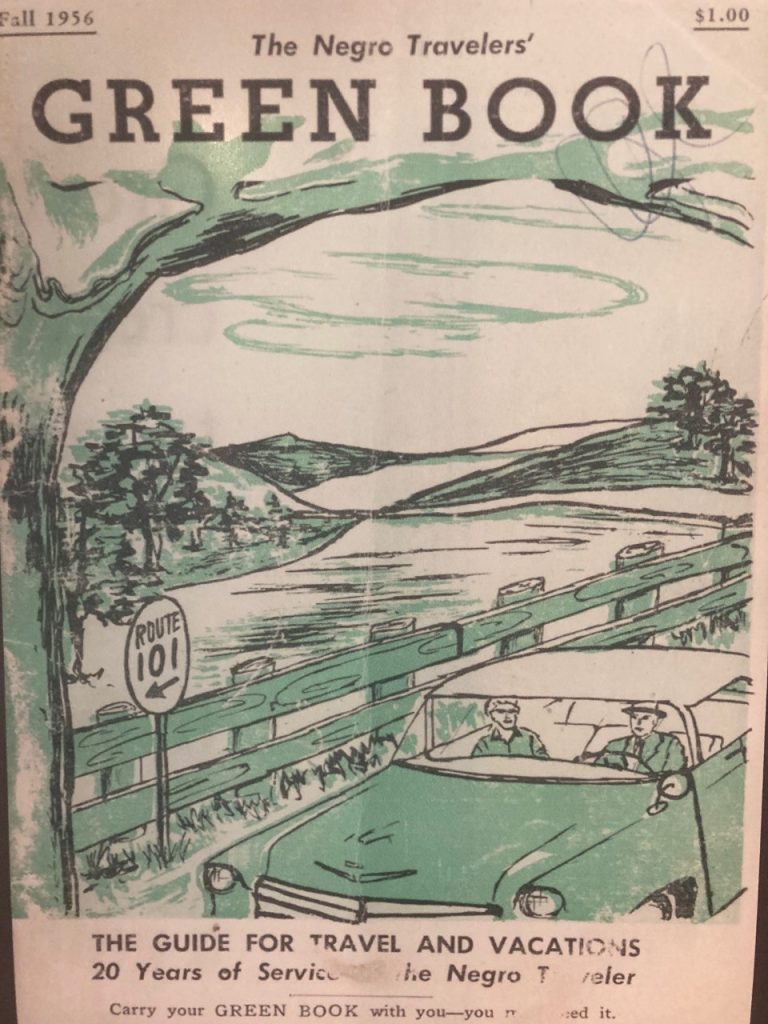
A cover of the Negro Motorist Green Book.
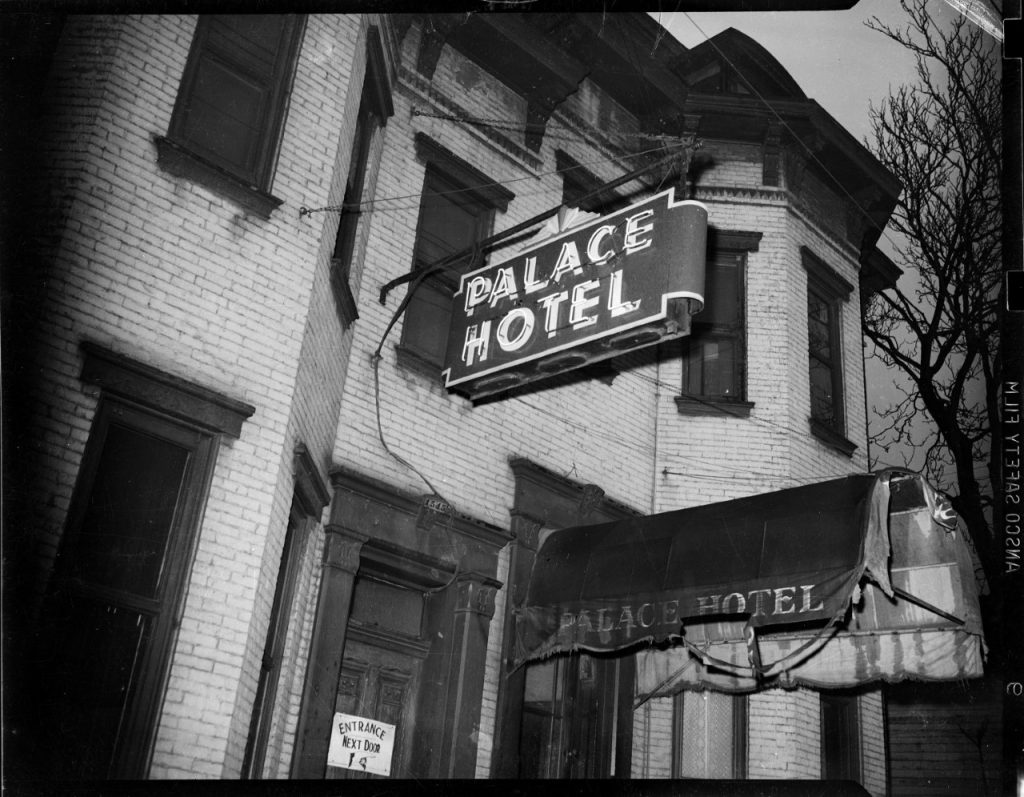
The Palace Hotel in Pittsburgh's Hill District.
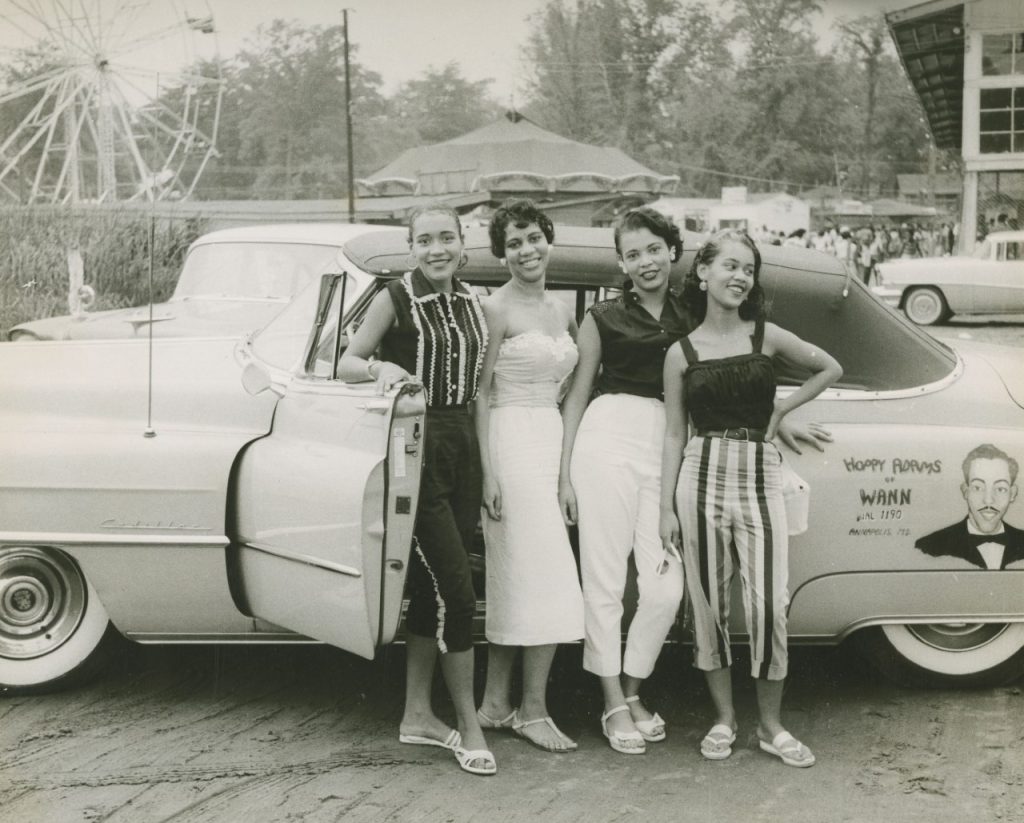
Four women standing next to a convertible in 1958.
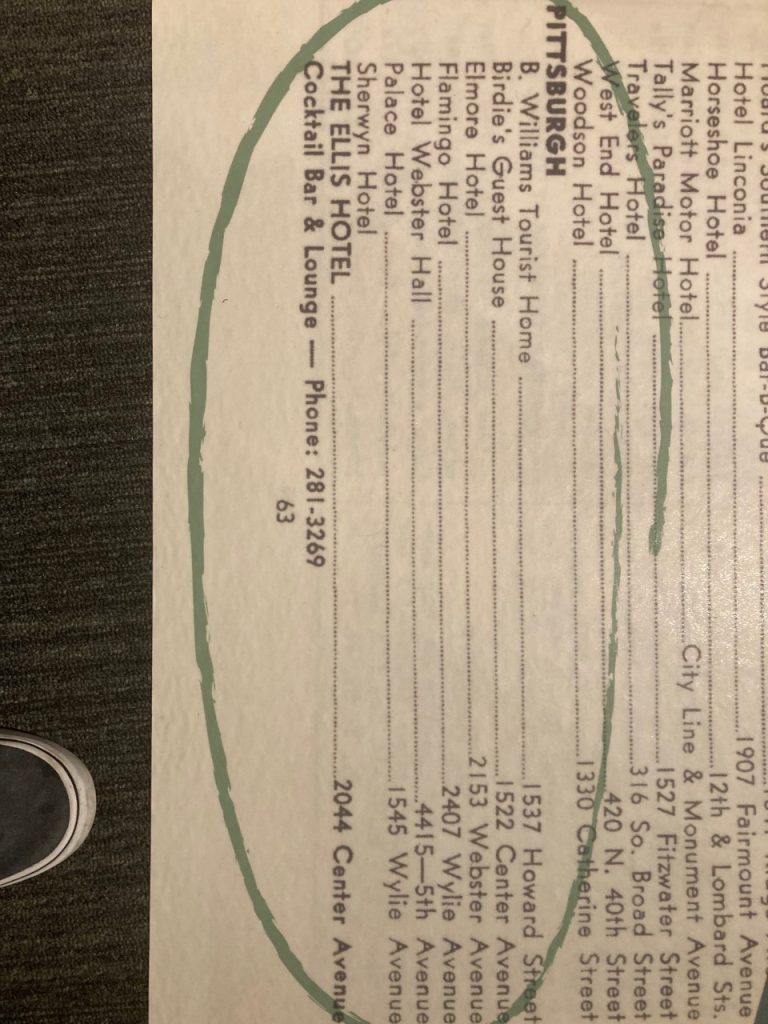
Some of the Pittsburgh locations in the Negro Motorist Green Book.
Brad Hundt
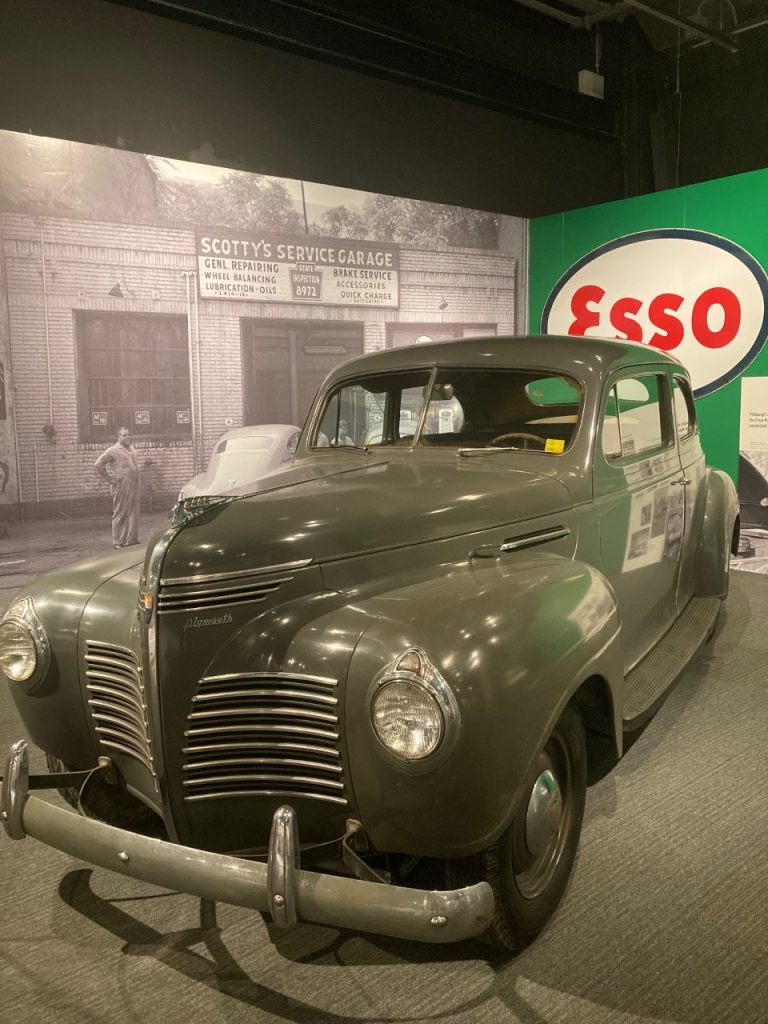
A 1940 Plymouth Road King in the exhibit “The Negro Motorist Green Book” at the Senator John Heinz History Center.
PITTSBURGH — “Carry Your Green Book with you…you may need it!”
That legend graced the cover of what was called the Negro Motorist Green Book through much of its 30-year existence, and it was more than just a come-on — it was a warning. If you were traveling while Black across America in middle of the last century, you needed to keep your Green Book handy to steer clear of “sundown towns” where Blacks were not welcome when darkness fell, to avoid places where “Klan Country” signs sprouted along highways, and to bypass white businesses where owners would chase you away with a pistol or ax before they would take your greenbacks.
“We call it a travel guide, but in many ways it’s a survival guide,” said Andy Masich, president and CEO of the Senator John Heinz History Center. “They needed to find out where they could eat, where they could shop and where they could get gasoline. It was a survival guide.”
The importance of the Green Book to Black Americans was recalled in the 2018 Oscar-winning drama “Green Book,” and it is getting a more in-depth look in the Smithsonian Institution exhibit “The Negro Motorist Green Book,” which opened at the Heinz History Center last weekend and will be there through Sunday, Aug. 13. Along with items from the Smithsonian’s vast collection, the exhibit is augmented by items from the History Center’s holdings to put a spotlight on Pittsburgh businesses that were included in the Green Book and were vital parts of the Black community’s economic life.
The Green Book was first developed in 1936, as the automobile was increasing mobility for all Americans, and 28 years before the Civil Rights Act of 1964 prohibited discrimination in public places. It was created by Harlem postman Victor Hugo Green, who was a dedicated student of travel and the routes that snaked across the country. After the indignities he and his wife endured making a trip to Richmond, Va., to see his in-laws, Green hit on the idea of creating a nationwide guide of businesses that embraced Black customers. Within 10 years, it covered all 50 states and ranged across a whole panoply of enterprises — motels, gas stations, nightspots, barber shops and beauty parlors, restaurants and more.
When Jim Crow was still on the books in many parts of the country, the Green Book provided both safety and a modicum of dignity.
“It protected Black travelers,” said Sam Black, director of the History Center’s Museum of African American History.
“The Negro Motorist Green Book” has artifacts from businesses listed in the Green Book, including a cash register from the Terrace Hall Hotel in Pittsburgh’s Hill District; a drink menu from the Harlem Casino; historic signage, including from the YMCA on Pittsburgh’s Centre Avenue; photographs of Pittsburgh from the 1930s to 1960s; and a 1940 Plymouth Road King, a popular vehicle for driving long distances. There’s also a touchscreen interactive that allows visitors to pack a virtual suitcase during the Green Book era.
There are three public programs that have been scheduled in conjunction with the exhibit: Today, author, photographer and cultural documentarian Candacy Taylor will discuss her book, “Overground Railroad: The Green Book and the Roots of Black Travel” at the History Center starting at 6:30 p.m.; On Tuesday, June 27 at 6:30 p.m., Pittsburgh leaders will discuss how redevelopment has shaped the past, present and future of the Hill District; and on Friday, July 14, the History Center will host a free screening of the Smithsonian Channel documentary, “The Green Book: Guide to Freedom,” followed by a discussion with Yoruba Richen, the film’s director.
For additional information on the exhibit and the events associated with it, go online to heinzhistorycenter.org/events.