

Avian influenza a concern for local farmers
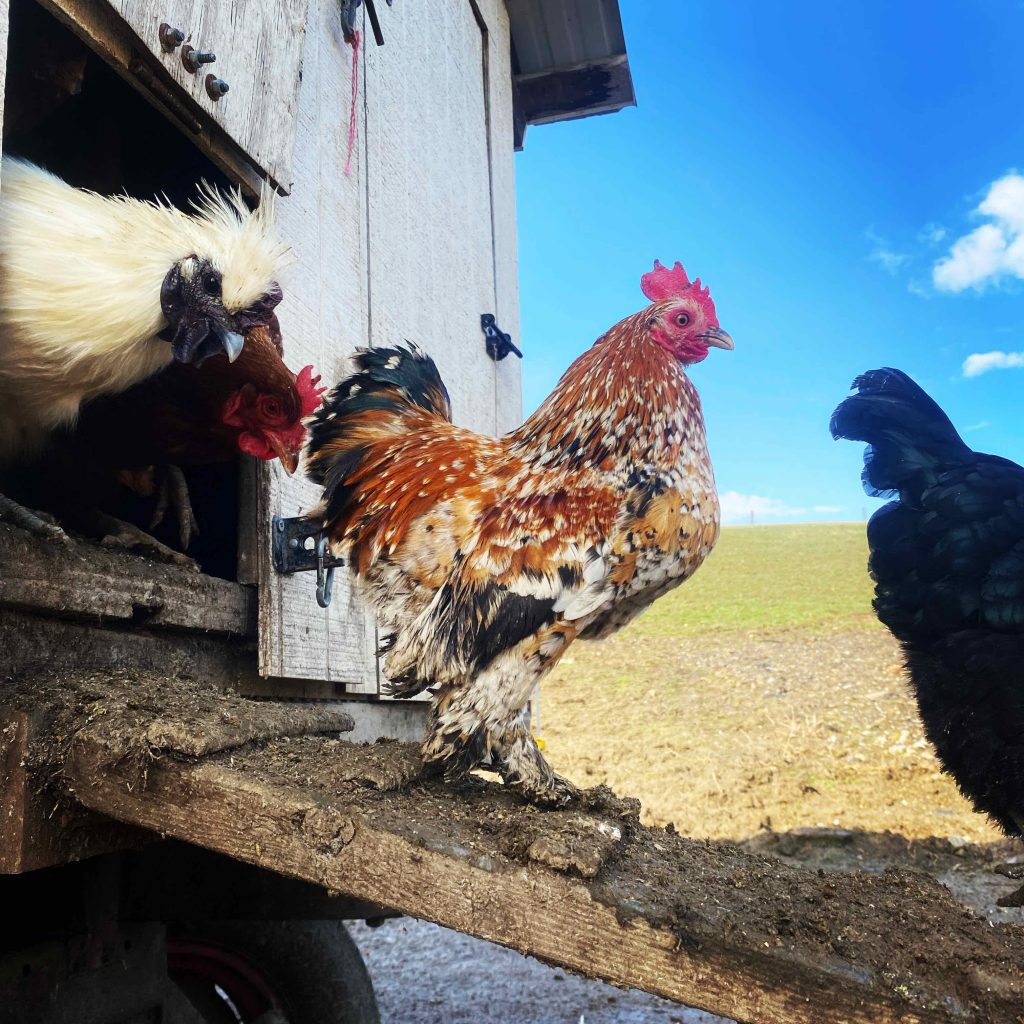
Chickens head out of their coop at Primrose Farm in Mount Pleasant Township. (Photo courtesy of Mandy Fedinetz)
Courtesy of Mandy Fedinetz
Courtesy of Mandy Fedinetz
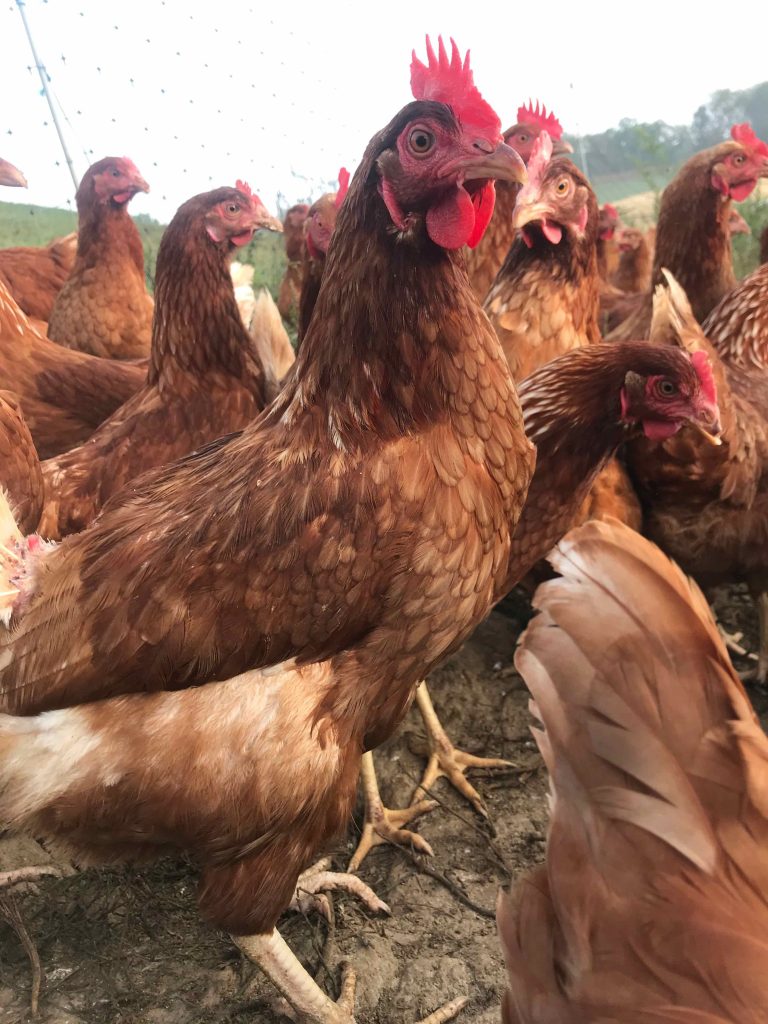
A flock of chickens at Primrose Farm
news@greenecountymessenger.com
With the highly pathogenic avian influenza (HPAI) rearing its head in Pennsylvania, local farmers are doing what they can to keep their birds healthy.
A wild bald eagle found dead in East Marlborough Township, Chester County, in March was the first, and, to date, the only case of HPAI in the state.
According to the Pennsylvania Department of Agriculture, as of April 6, infected birds have been discovered in commercial and backyard poultry in 24 states. There has not been a case of HPAI in this category since 1983.
The Department of Agriculture warns that HPAI is highly contagious and often fatal. Most susceptible are chickens, ducks, geese, turkeys, guinea fowl, quail, pheasants, emus and ostriches.
鈥淚t has definitely become a bigger concern at it gets closer and closer to Washington County. It鈥檚 scary,鈥� said Mandy Fedinetz, owner of Primrose Farm in Mount Pleasant Township.
While Fedinetz said there have always been measures taken to keep the birds free from illness, additional precautions have been implemented since HPAI was found in Chester County.
鈥淲e鈥檝e been more vigilant. Lots of disinfecting. No visitors to the farm, and we鈥檙e not visiting other farms. Lots of disinfecting, better safe than sorry,鈥� Fedinetz said.
Staying clear of fellow poultry farmers is a step being taken by others as well, such as Jeremy Swartzfager, owner of Footprints Farm in Gibbon Glade, Fayette County.
鈥淲hen we sell live chickens, we minimize the exposure by other poultry producers,鈥� Swartzfager said.
Chickens, Swartzfager explained, are also more susceptible to HPAI due to what Swartzfager calls a lack of genetic diversity from a decline in the number of chicken breeders.
鈥淚 would say we鈥檙e down to about five or six main strains of commercial chickens and turkeys available,鈥� Swartzfager said. 鈥淯niontown used to have four chicken hatcheries in the 鈥�50s 鈥� There were multiple farms being served by the hatcheries. Right now, there is not one even in our county.鈥�
Though he says HPAI is a major concern for farmers, Swartzfager said birds in Western Pennsylvania are at a lower risk for the disease.
Swartzfager explained that migratory birds follow one of four flyways traveling back north. Western Pennsylvania happens to rest between the east coast and midwestern flyways.
鈥淲hen all the geese and migratory birds return to their northern homes, fewer of them fly in our area. It just lowers the risk,鈥� Swartzfager said.
However, even being in a low risk area and taking all possible precautions may not be enough to stop HPAI from spreading through a flock.
鈥淵ou can take a million steps to prevent it. If a pigeon poops on the road and you step in it and take it into the coop, they鈥檙e going to get it,鈥� Swartzfager said.
An infected bird could also leave droppings on the farm itself. Fedinetz said at a certain point, it is out of the farmer鈥檚 hands.
鈥淵ou can鈥檛 control the migratory birds. It鈥檚 an act of God at that point,鈥� Fedinetz said.
According to the Department of Agriculture, a 2015 outbreak of HPAI cost the agriculture industry $1 billion.
鈥淧rotecting Pennsylvania鈥檚 $7.1 billion poultry industry is a year-round top priority for the Pennsylvania Department of Agriculture and our partners across the poultry industry and in government and academia. Pennsylvania has strict biosecurity protocols in place both for Pennsylvania farms, and for poultry products transported in and out of state, and the USDA has strict importation requirements for international shipments,鈥� according to a press release issued by the agency.
Fedinetz reports that, so far, the HPAI outbreak has not affected the business side of her farm.
鈥淏ird flu hasn鈥檛 really changed any pricing on anything,鈥� Fedinetz said. 鈥淔ingers crossed.鈥�