

Social addiction: Area experts say constant scrolling can lead to mental health woes in teens
MetroCreative
MetroCreative
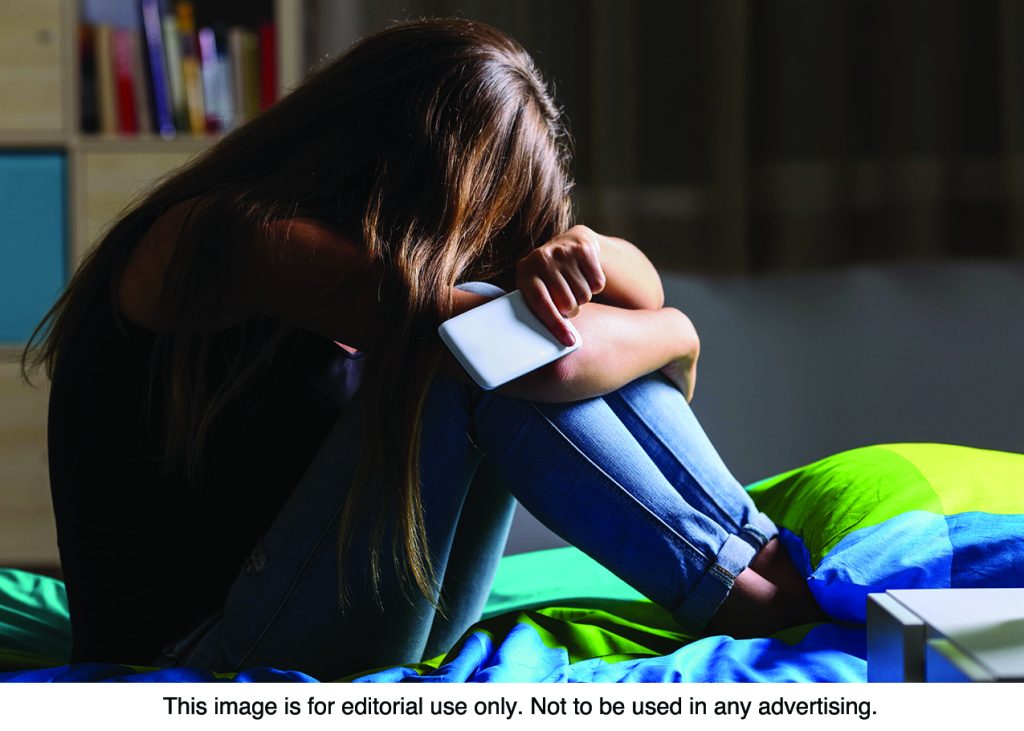
Experts say that spending too much time on social media can be detrimental to teens鈥� mental health.

MetroCreative
MetroCreative
Pennsylvania is among the 42 states suing Meta, alleging social media apps like Facebook and Instagram include features that are addictive to younger users.
The impact of social media apps such as Facebook and Instagram on children and teens is getting more attention following a multi-state lawsuit against Meta that alleges the company intentionally designed its products with addictive features that negatively impact young users.
Emily Walentosky, a school psychologist at California Area School District, said social media is a big part of many kids and teens鈥� lives, but spending too much time online is harmful.
Constant scrolling has contributed to a number of problems, including anxiety, depression, loneliness and an unhealthy focus on body flaws, according to Walentosky.
鈥淚t鈥檚 pretty clear that social media has negatively impacted the mental health of our very vulnerable population of children and adolescents, causing symptoms of depression, symptoms of anxiety that can have a lasting impact down the road,鈥� she said.
Pennsylvania has joined dozens of other states suing Meta, the parent company of Facebook and Instagram, accusing the company of fueling a youth mental health crisis with addicting features on the platforms, and not doing anything to fix it.
The lawsuit also claims the company routinely collects data on children under 13 without their parents鈥� consent, and says Meta鈥檚 profits come at the expense of the children and teens it has exploited and manipulated.
The company鈥檚 2022 revenues reportedly were $116.6 billion.
鈥淭he time has come for social media giants to stop trading in our children鈥檚 mental health for big profits,鈥� said Pennsylvania Attorney General Michelle Henry. 鈥淎ccording to the lawsuit, Meta not only targets young minds with addictive, harmful, trap-door content 鈥� it also lies to the public and parents about how their platforms are safe. Creators have built multi-billion dollar empires by promoting a click-bait culture that is psychologically hurting kids.鈥�
Dr. Gary Swanson, a child and adolescent psychologist at Allegheny Health Network, said while social media has some benefits, 鈥渢he problem is, you can鈥檛 throw the whole thing out, but I don鈥檛 know how you get rid of the bad stuff and keep the good stuff.鈥�
A recent Gallup survey found teens spend an average of 4.8 hours on social media per day, with 17-year-olds logging nearly 6 hours a day on platforms.
Swanson said adolescence and childhood represent a critical stage in brain development that can make young people more vulnerable to harms from social media.
鈥淭he sum total is, a lot of times social media is negative and a lot more harmful than it is positive,鈥� said Swanson. 鈥淲e鈥檝e seen over the last 10 or 15 years with iPhones and social media that we鈥檙e seeing more mental health issues with teens, more depression and anxiety. Kids鈥� brains are still developing and they鈥檙e more vulnerable, and are especially influenced by what they鈥檙e viewing on social media and can feel badly about themselves.鈥�
Swanson said he鈥檚 not sure what impact the lawsuit can have on the use of social media.
鈥淚 don鈥檛 have a good solution because it鈥檚 going to be hard to put this genie back in the bottle,鈥� said Swanson.
The lawsuit also comes as the U.S. surgeon general issued a social media health advisory in May about the potential effects online platforms have on kids and teens.
The surgeon general issued a call for urgent action by policymakers, technology companies, researchers, families, and young people to gain a better understanding of the impact of social media use, maximize the benefits and minimize the harms of social media platforms, and create safer, healthier online environments to protect children.
One recent survey showed nearly 60% of teens said social media made them feel sad or poorly about themselves.
鈥淭hey see pictures on Instagram of celebrities and they don鈥檛 realize those pictures are filtered and doctored, and when their body doesn鈥檛 look like that, they think something is wrong with them,鈥� said Walentosky. 鈥淔acebook and Instagram have these algorithms that when children and teens interact with certain posts, they get targeted ads from certain supplements or drinks aimed at influencing them. It鈥檚 advertising at its extreme.鈥�
Walentosky and Swanson recommend parents to be aware of and have access to their children鈥檚 social media accounts.
Said Walentosky, 鈥淚鈥檇 say to definitely keep a close eye on your children鈥檚 social interaction on social media. Don鈥檛 be afraid to look into what they鈥檙e looking at and who they鈥檙e interacting with.鈥�