

Lyme disease, seasonal allergies impact pets

Katherine Mansfield
Katherine Mansfield
Lyme disease and seasonal allergies are common reasons for trips to the vet this time of year. Local vets encourage pet owners to continue good grooming practices, to put their dogs on monthly flea and tick medication, and to get the annual Lyme disease vaccine as added protection.
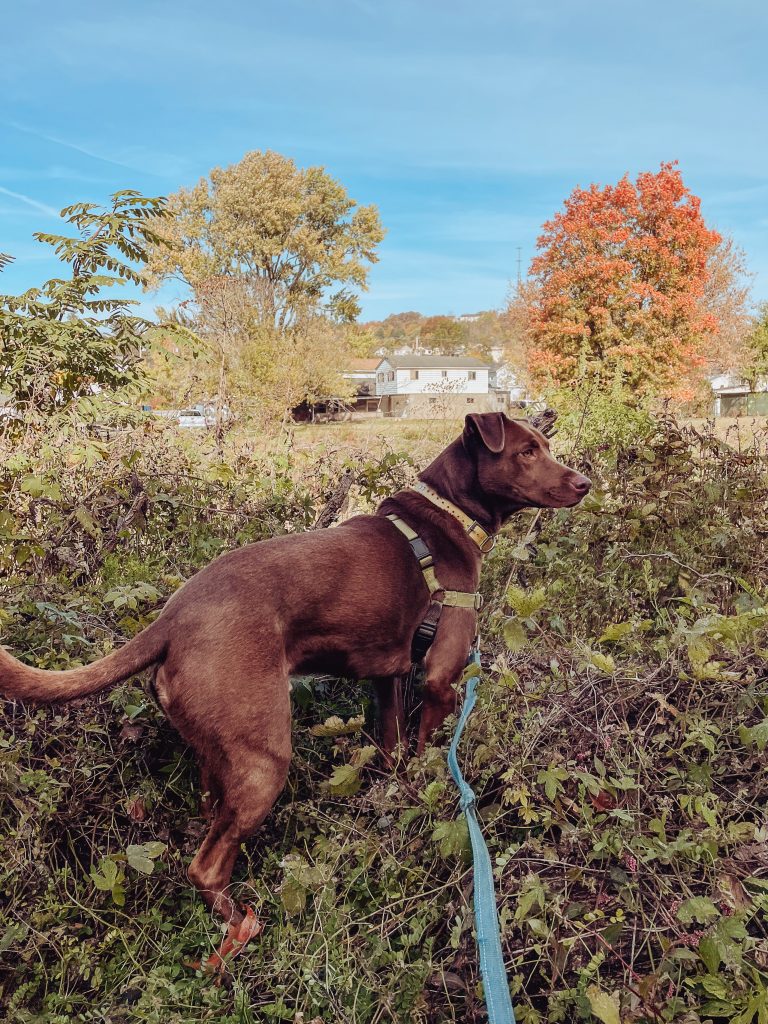
Katherine Mansfield
Katherine Mansfield
It鈥檚 Lyme disease and allergy season in southwestern Pennsylvania. Dr. Nancy Kerr, who owns a veterinary practice in Carmichaels, recommends owners wipe their dog鈥檚 paws after their pet spends time frolicking through autumn leaves or adventuring in tall grass.
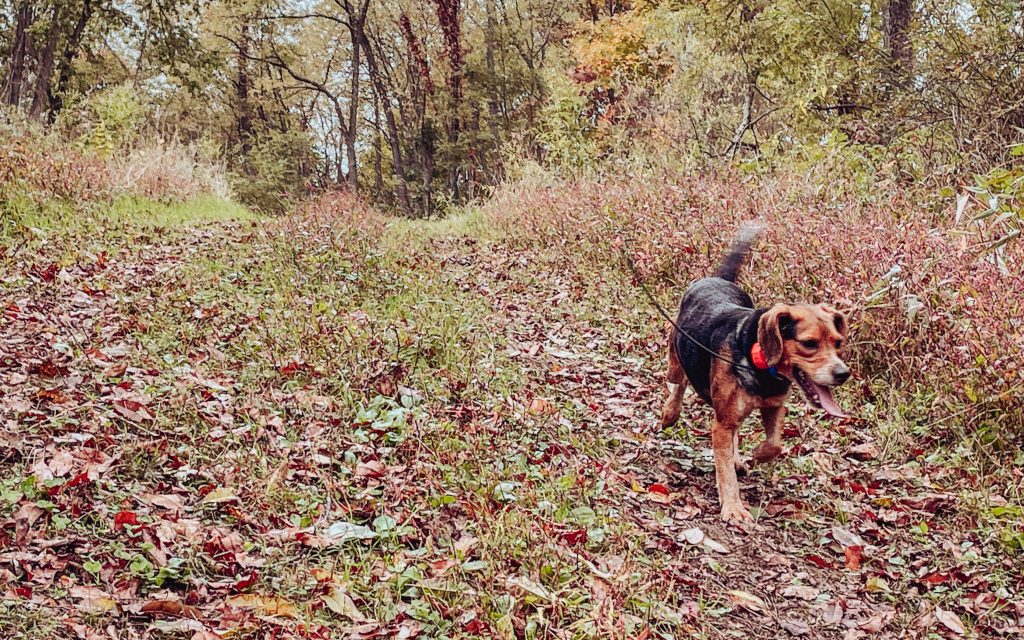
Ticks and mold, which can cause Lyme disease and seasonal allergies, respectively, can often be found beneath fallen leaves. Dog owners should wipe their dog鈥檚 paws after spending time outdoors to mitigate allergy symptoms, and ensure their pet is on prescription flea and tick medication to prevent Lyme disease. (Photos by Katherine Mansfield)
news@greenecountymessenger.com
The first creepy crawly that comes to mind during spooky season is spiders, but there鈥檚 another nightmarish eight-legged critter that haunts the great outdoors this time of year: ticks.
Pennsylvania has led the country in the number of confirmed Lyme disease cases for the last 11 out of 12 years, according to the Centers for Disease Control. It鈥檚 not just humans who are impacted by tick bites, though.
Domestic animals, including dogs and cats, are also at risk for Lyme disease.
鈥淥ne in 8 dogs tested in Washington County comes up positive (for Lyme disease),鈥� said Alyssa Nemeth, vet tech at East Maiden Animal Clinic in Washington. 鈥淩ight now, for our cases, we鈥檝e seen 1,291 dogs test positive since January. That鈥檚 in the dogs that we can get people to test. I鈥檓 sure if we tested everyone who walked through the door, it would be higher.鈥�
Cases of Lyme disease are also high in Fayette County, said Bob Leighty, office manager at Grace Veterinary Services in Lemont Furnace.
鈥淟yme disease, we never had in this area, ever, until about seven years ago,鈥� Leighty said. 鈥淚t just blew up here and then we started getting Lyme disease like crazy. It鈥檚 pretty bad in this area for us right now.鈥�
Leighty said the veterinary clinic has seen at least one confirmed case of Lyme disease in pet dogs per week for the past several weeks. While some infected dogs never present symptoms, others lose their appetites, become lethargic or have fevers.
鈥淎n early sign is limping. The disease, it goes right to the joints,鈥� Leighty said.
Like Grace Veterinary, Dr. Nancy Kerr, who owns a veterinary practice in Carmichaels, treats numerous Lyme disease cases in dogs each fall.
鈥淭hey鈥檙e more at risk at this time of the year because deer ticks are coming out between October and January. I usually diagnose at least one new positive case every week, if not more,鈥� Kerr said.
She cannot overstress the importance of prevention.
鈥淚t鈥檚 very important to use year-round flea and tick prescriptions. Don鈥檛 use over-the-counter medications; they really aren鈥檛 as effective,鈥� Kerr said. 鈥淭he best prevention is a prescription flea and tick medication all year round, plus there is a Lyme vaccine as well, just to give added protection.鈥�
Lyme disease vaccines are available at most veterinarians and clinics throughout the region. Prevention is especially important as summer turns to fall, since the chances of dogs being bitten by ticks or developing seasonal allergies increases when they frolic through crisp autumn leaves.
鈥淭icks 鈥� like to be underneath leaves. When the dogs are walking through the leaves, the ticks will actually attach to the pet,鈥� Kerr said. 鈥淭he molds and things that are on the leaves, that could be a source of the allergy, with pets allergic to certain molds.鈥�
To decrease the chances of both Lyme disease and seasonal allergies, Kerr recommends pet owners wipe their dog鈥檚 paws with a baby wipe after spending time outside, especially in high grass.
Unlike Lyme disease, which may or may not present symptoms, seasonal allergies are easier for pet owners to spot.
Dogs might become itchy, lick their paws or chew at their bellies, or experience anal gland issues, said Nemeth. Some dogs develop ear infections, rashes or dermatitis, Kerr said, adding it is important to keep up with dog鈥檚 grooming and bathing routines.
While there are Lyme disease vaccines and flea and tick treatments, there鈥檚 no way to completely prevent seasonal allergies. Nemeth said most dogs grow into their allergies, with onset around age two, and those allergies simply become part of life.
鈥淭reatment is really just dependeent on what works for the pet,鈥� she said.
Those treatments may include injections or prescription medications to alleviate more serious symptoms.
鈥淚f there are other, lesser symptoms, it鈥檚 kind of more of a supportive care. Hopefully the pet owner would consult their vet with the best way to treat or minimize the symptoms,鈥� Kerr said.