

Belle Vernon to halt influx of fracking waste to its sewage facility
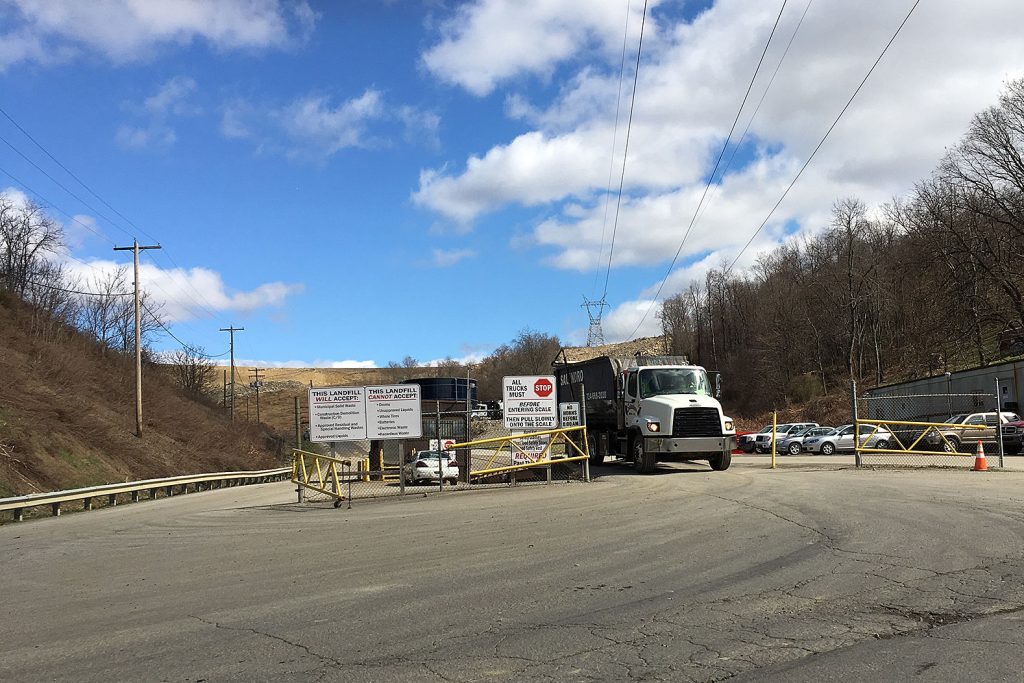
Belle Vernon鈥檚 municipal authority voted to give a 14-day notice that it will terminate its contract with Westmoreland Sanitary Landfill in Rostraver Township. Authority officials said they believe runoff from the landfill is in violation of environmental standards.
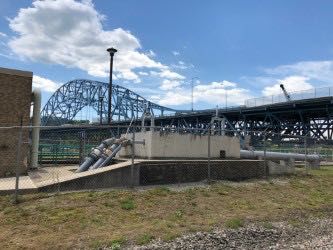
The Municipal Authority of the Borough of Belle Vernon processes domestic sewage at its plant on the shore of the Monongahela River.
Mark Soroka
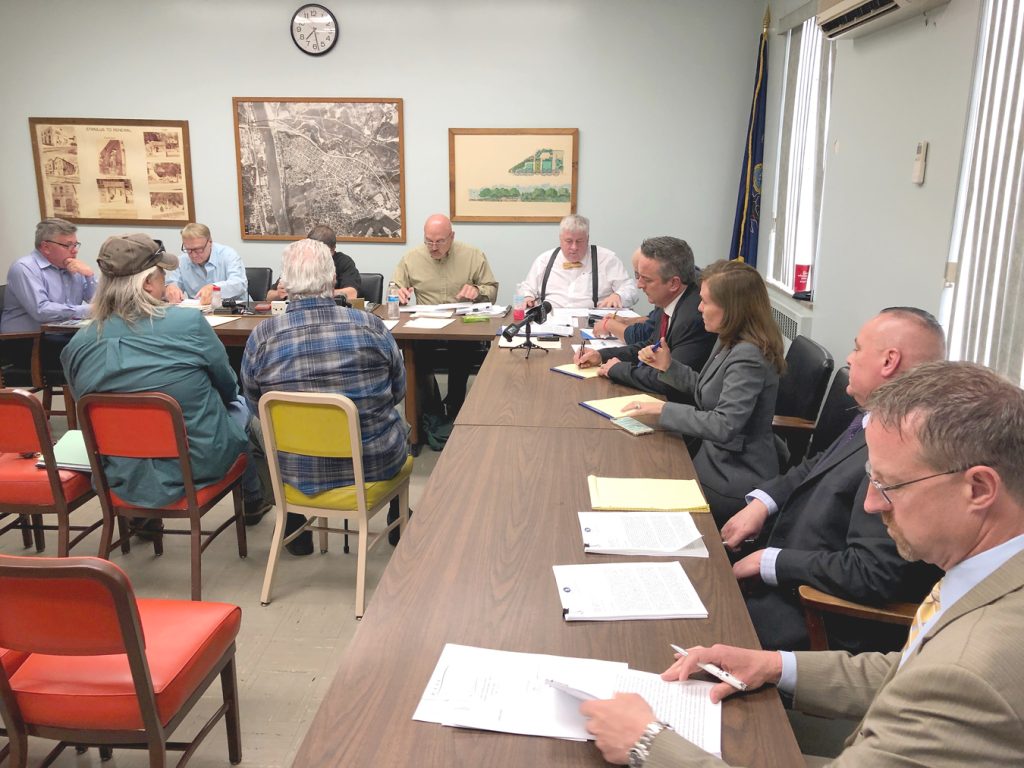
Belle Vernon鈥檚 municipal authority board voted to terminate its contract with Westmoreland Sanitary Landfill in Rostraver Township over concerns that the runoff coming into the authority鈥檚 facility is causing issues.
Belle Vernon鈥檚 municipal authority has told a Rostraver Township-based landfill that it will no longer be accepting chemical-laden fracking waste for discharge into the Monongahela River.
The five-member board of the Municipal Authority of the Borough of Belle Vernon terminated its contract with Westmoreland Sanitary Landfill, which also goes by the name Tervita Rostraver Township Sanitary Landfill.
The board gave the owners a 14-day notice that it has to turn off the flow of liquid runoff to the sewage plant or the municipal authority will take steps to turn off the flow itself. Correspondence regarding that will be sent to the state Department of Environmental Protection and the U.S. Environmental Protection Agency.
Guy Kruppa, superintendent of the sewage plant, said the agreement with the landfill is to accept no more than 50,000 gallons of leachate daily. Leachate is water that has percolated through a solid and leached out some of its contents. He said the landfill has been exceeding that limit. For example, in March 2018, it sent approximately 141,000 gallons per day to Belle Vernon via a pipeline鈥�91,000 gallons above the permissible amount in the agreement, he said.
Kruppa said he first noticed an interruption in the plant鈥檚 treatment process about one year ago.
鈥淚t鈥檚 a complex problem because our facility only treats domestic sewage鈥搕hings that are flushed down your toilet or sink,鈥� explained Kruppa. 鈥淲e use bacteria to break down that sewage before water is released into the river. But we aren鈥檛 able to properly treat that sewage because of the chemicals that are coming in. And we aren鈥檛 required by our permit to examine those materials.鈥�
Kruppa added that it wasn鈥檛 difficult to pinpoint where the toxic chemical components were coming from.
鈥淲e sent samples to a certified lab and they confirmed that something is killing our bacteria,鈥� he said. 鈥淎fter doing some investigation, we realized that the landfill is the only questionable source for these chemicals. We have been asking the DEP for help and they aren鈥檛 giving us a solution 鈥� and these are the people that are supposed to be governing us. We can only send so many certified letters begging for help. That鈥檚 why we were left with no recourse but to hire an outside counsel.鈥�
According to an analysis conducted last month by Environmental Service Laboratories, Inc., samples of the landfill leachate revealed the authority has been receiving leachate that includes high levels of ammonia and volatile organic compounds such as magnesium, barium and phenols鈥揷hemicals that are commonly found in shale gas drilling and fracking waste.
Ro Rozier, spokeswoman for the landfill, said the company monitors all aspects of its performance as to environmental and regulatory standards.
She said the landfill鈥檚 ownership has not been given data to support the concerns about leachate quality. Rozier also noted that there have been no citations or violation related to leachates filed by the DEP.
鈥淲SL monitors its leachate by hiring an independent third party to perform all laboratory tests required by law, and there has been no decrease in the quality of our leachate in seven years,鈥� Rozier said.
She noted the landfill was informed that the EPA 鈥渞ecently began enforcing higher waste water discharge standards on the (authority), and they told us they could not meet those standards without our help.鈥�
鈥淲SL believes that aging infrastructure and budget concerns are the source of (the authority鈥檚) challenges, but we are committed to working with (them) every step of the way to find a solution, because we pride ourselves on being industry leaders in environmental protection,鈥� Rozier said.
鈥淥ur landfill does not accept hazardous waste and we have had no increase in accepting residual waste from oil and gas operations from 2017 to 2018,鈥� she said.
Lauren Fraley, spokeswoman for the DEP, said the authority has reported violations to the DEP, which has attributed the high ammonia levels to ineffective pre-treatment at the landfill.
Fraley said the installed pre-treatment hasn鈥檛 successfully addressed the volume and concentration of pollutants in the leachate the landfill is sending to the treatment plant.
She said a large oil/water separator was approved by the DEP for installation to 鈥渞emove any oil substances and additional treatment technologies are being considered to significantly reduce the ammonia levels from the leachate before sending it to the Belle Vernon plant for additional treatment.鈥�
In addition, the landfill is using leachate storage tanks to control the discharge to the plant, Fraley said.
鈥淭he landfill was also evaluating if a portion of the leachate could be taken to a different disposal facility and if leachate volume can be reduced by closing portions of the landfill and implementing additional stormwater management controls,鈥� Fraley said.
Fraley said the DEP has been in discussions with the authority and the landfill to address the concerns.
鈥淒EP would prefer that the Belle Vernon sewage treatment plant continue to accept the leachate produced by Westmoreland Sanitary Landfill as long as the waste is adequately treated to achieve to the prescribed effluent limitations prior to discharge as opposed to the landfill attempting to truck it to another facility,鈥� she said. 鈥淒EP has already contacted Westmoreland Sanitary Landfill requesting information and the landfills interim plans to transport and treat its leachate. DEP will continue to work with the landfill on its long-term treatment plans.鈥�
Belle Vernon Mayor Gerald Jackson, who also sits on the board of the municipal authority, said he is frustrated by the DEP.
鈥淲e have been proactive in addressing this problem,鈥� he said. 鈥淲e want everyone to know that it鈥檚 not the Belle Vernon Municipal Authority鈥檚 problem鈥搃t鈥檚 the landfill鈥檚 problem. We have reached out to people for help and I鈥檓 not too happy with the DEP鈥檚 response. They haven鈥檛 given us a workable solution.鈥�
Jackson is concerned about the high volume of chemicals that are spewing into the Monongahela River.
鈥淚 did some calculations for one year and figured that if you put all that contaminated waste into milk jugs, if would run from here to the state of California and halfway back,鈥� he said.
Kruppa said the municipal authority takes it responsibility very seriously.
鈥淲e have an obligation to treat water to the best of our ability and put it back into the source water so people can use it,鈥� he said. 鈥淏ut we aren鈥檛 doing a good enough job right now to keep our end of the bargain. That鈥檚 why we are terminating our contract with Tervita.鈥�