

College students uniquely impacted by COVID-19 cancellations, closures
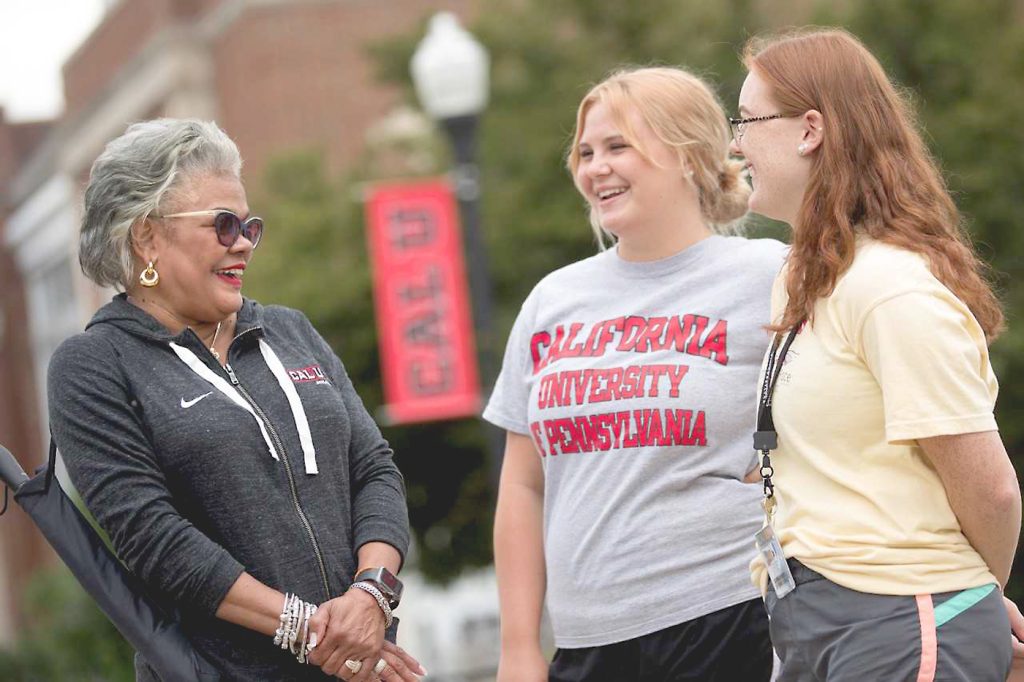
California University of Pennsylvania President Geraldine M. Jones (left) welcomes sisters Riley (middle) and Avrey Barnes, of South Fayette, to campus as nearly 700 first-year students were scheduled to move into main campus this past August. COVID-19 has forced college students across the state and country out of the dorm rooms 鈥� and their lives.
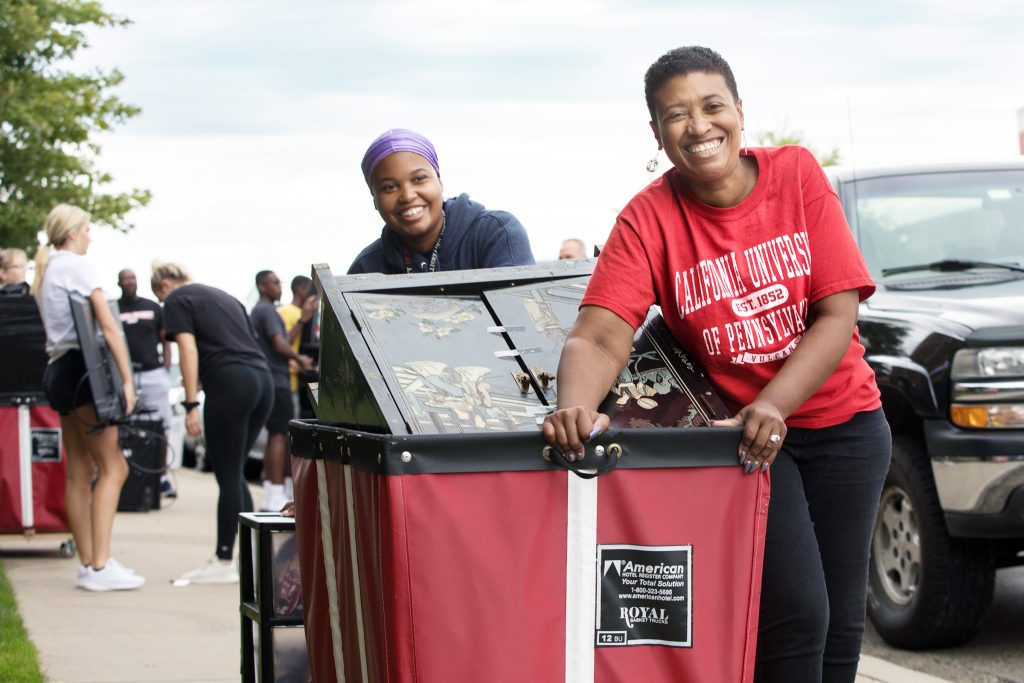
Photo courtesy of California University of Pennsylvania
In this August 2019 file photo, Aminah Butler of Pittsburgh, and her mother, Marcia, wheel a cart to Aminah鈥檚 residence hall room as first-year students arrived at California University of Pennsylvania. COVID-19 stopped classes abruptly, leaving college students uniquely impacted as they were forced back home.
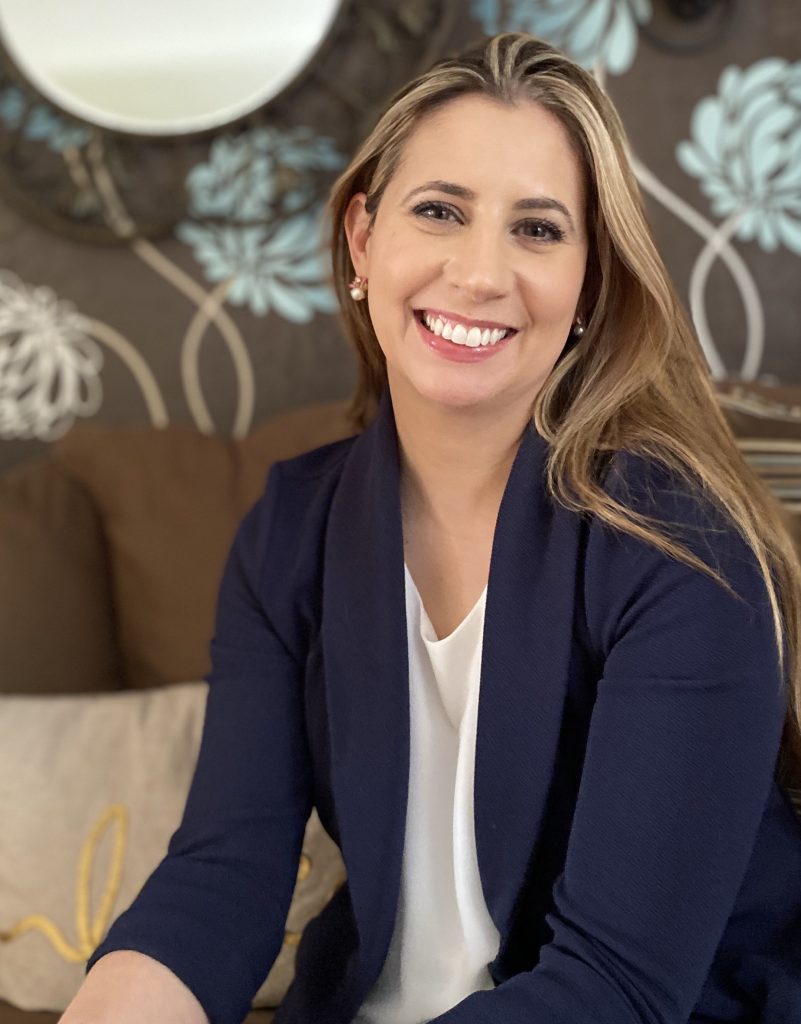
Bonfini
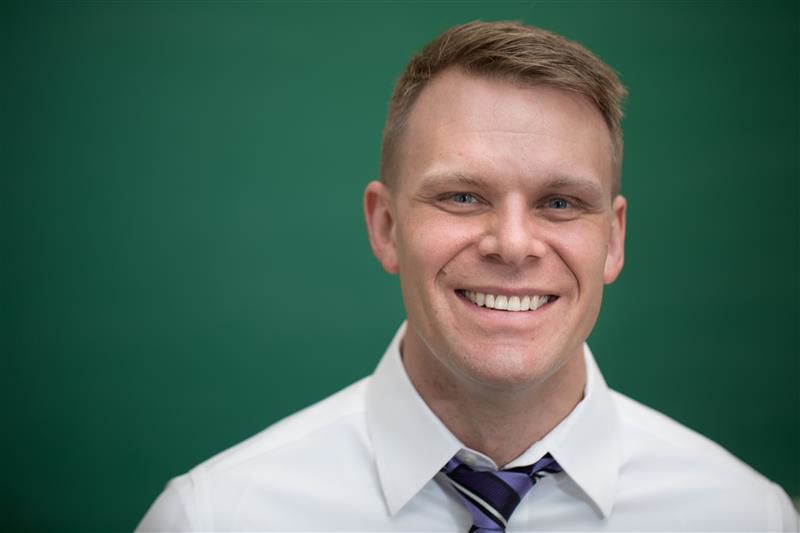
Hackett
Dr. Jayna Bonfini has been nearly booked solid with telehealth appointments with students from the California University of Pennsylvania Counseling Center.
鈥淭heir world is turned upside down,鈥� said the licensed professional counselor and associate professor. 鈥淐ollege students have to go back home. They鈥檙e leaving the lives they鈥檝e established. They鈥檙e the only ones being asked to upend their lives.鈥�
In-person classes at many college campuses have been cancelled for the rest of the semester across Pennsylvania, and many students have been sent home with most dorm buildings closed. Graduation ceremonies will likely be cancelled. Those cancellations continue into the summer semester for many college students, some of whom had plans for internships or other important stepping stones in their college careers.
鈥淎 lot of these kids had plans to do all these cool things, all these great, academic things, and now they can鈥檛,鈥� Bonfini said. 鈥淭hey already had their spring semester disrupted, and now they鈥檙e going to have their summer semester disrupted.鈥�
College students who have mental health disorders are facing exacerbated symptoms from the pandemic, she said. Students with anxiety have another layer of anxiety. Students with obsessive-compulsive disorder are scared to leave the house. Students with depression are becoming more withdrawn, with social ties cut.
Some students are scared for their parents who work in the medical field. Others have parents who have been laid off work, and they鈥檙e burdened by the knowledge that their presence gives their families an extra mouth to feed. Many students are facing their own financial hardships with job layoffs and costs for school supplies. Few of them will receive stimulus checks because they are considered dependents.
Others returned to a tumultuous home life that they had no time to mentally prepare to re-enter. Some face psychological abuse at home, or their parents struggle with alcoholism and addiction.
鈥淲hat ends up happening is my students go home and they start taking care of mom and dad and start being the model child. They step into this role where they have to be the adult in the family,鈥� she said.
Many students have had to seek out privacy for their appointments, taking telehealth phone calls from a car or other secure location. Some students face an identity conflict returning home.
鈥淚 have a student who has not come out of the closet, so they鈥檙e leaving their significant other and also their identity,鈥� she said.
Many young adults rely strongly on their social ties, which were cut off completely and unexpectedly. Graduating students were told their diplomas will be mailed, and many missed their chance to even say goodbye to friends. The isolation can compound depression, and many students are spending more time on their phones reading information about COVID-19 that may be untrue and adding to anxiety.
Dr. Justin Hackett, associate professor in Cal U鈥檚 psychology department, said many of his students have reached out to him about the challenges they are facing.
鈥淚 think a lot of students are going to feel isolated. They鈥檙e going to feel lonely, and they鈥檙e going to feel like they鈥檙e cut off from their social network a little bit,鈥� he said. 鈥淚鈥檓 concerned about the loss of the connections they have with their friends, when, maybe in an unspoken sense, they help each other deal with the difficulties of college.鈥�
He noted many people, regardless of age, are dealing with the struggles of isolation. He recommended using technology to give a sense of connectedness.
鈥淭he worst thing we can come up with as a society to do to a person is to isolate them. We know that there are negative effects that come from being isolated,鈥� he said.
Many people are also facing a bit of an identity crisis, he said. Some people are out of work, while others are learning to work from home and blending their home and work lives.
鈥淚 think, for a lot of people, their sense of self can be rocked a little bit at this time,鈥� he said.
Bonfini said parents should talk to their children, simply asking how they are. While young adults often present themselves as being fine, parents should pay attention to increased withdrawal and loss of interest in activities.
鈥淚 think the biggest thing is to ask and listen. Parents are stressed out, too. A lot of them might be homeschooling younger kids, or they鈥檙e grocery shopping for neighbors. We鈥檙e all being asked to do extra things.鈥�
She said the pandemic is difficult on everyone, especially because there are so many unknowns and information is ever-changing, which presents a challenge in accepting the situation and moving forward. She advised students and parents to contact her or other licensed professional counselors, because they are connected to resources to help students.
鈥淚鈥檓 really trying to help kids finish strong with their mental health intact,鈥� she said.
She said she reminds students to remember the 鈥渨hy鈥� of their goals, which hasn鈥檛 changed, and to focus on what can be controlled, such as taking care of mental health, getting enough sleep, and filtering out information that may be untrue or leads to increased anxiety.
鈥淭he fact is, we don鈥檛 know. We can only go off of what we know, what our reality is now. We have to accept that reality and see what we can do with where we are now. We have to accept it, and then manage it,鈥� she said. 鈥淛ust take a deep breath.鈥�