

Trees provide aesthetic value to the home
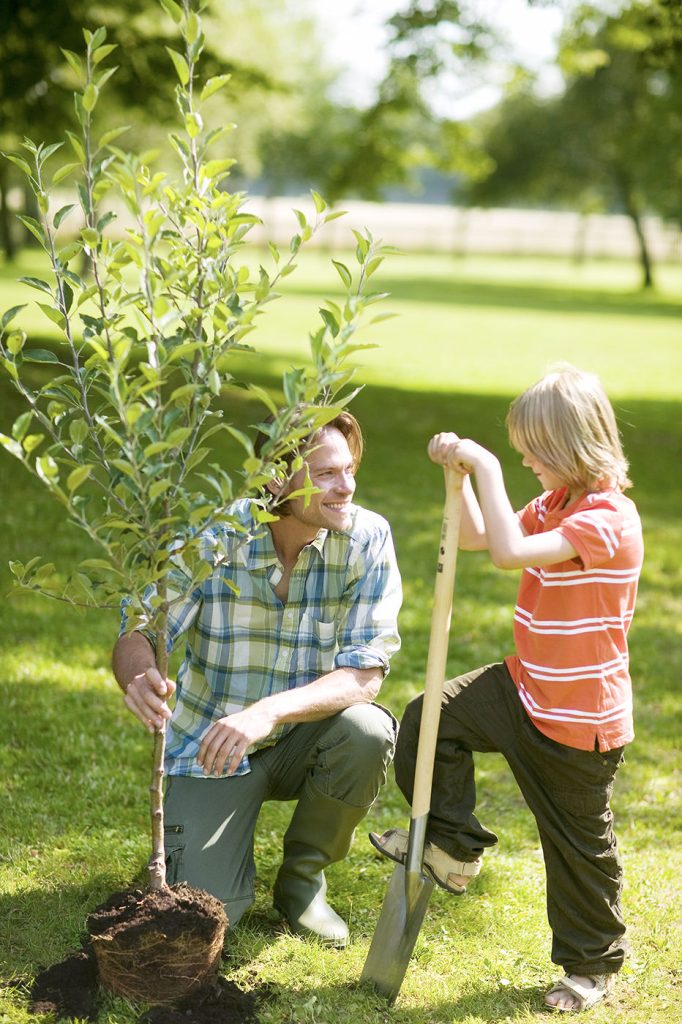
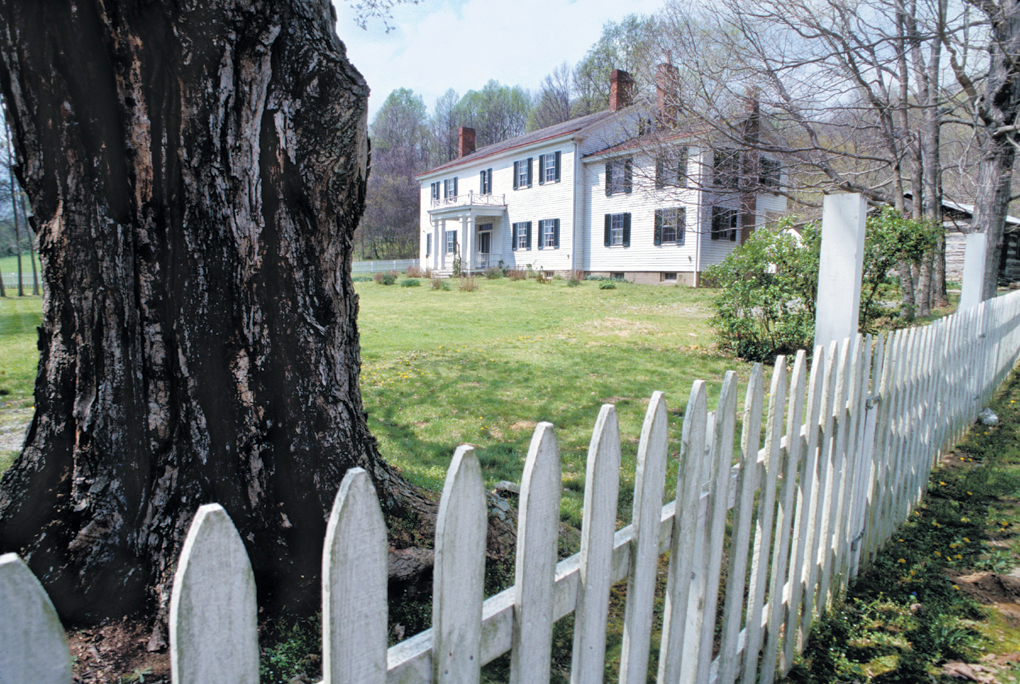
Trees decorate our homes and yards in a simple yet beautiful way.
“Whether you live in a rural, suburban or urban setting, there is always value in adding trees to your landscape. Trees increase property values, and add beauty, help to shade your home and protect it from wind,” reports iConserve Pennsylvania, a website operated by the state Dept. of Conservation and Natural Resources.
Sometimes, however, trees are damaged from weather or disease. Then it’s time to contact a professional.
“Call an expert and have them take a look at it,” said Ron Cochran, of Professional Tree and Stump Service in Uniontown. “You can get a tree looked at any time.”
Trees can become damaged by weather that includes winter or spring storms, which can push over a tree or hurt branches. Insects can also cause problems as can drought.
Just because a tree is damaged — say by a lightning strike — it doesn’t always mean you will lose the tree.
“If you want to keep the tree, sometimes you can,” said Cochran, who again advises a professional can help you make the best decision.
But you don’t have to wait for the aftermath of a bad storm to check your trees.
Cochran said, “Always look at your trees to make sure they’re healthy.”
The Arbor Day Foundation includes material on its website on how to check your trees under the page marked “Spring Health and Safety Check Ups for Mature Trees.” Tips include:
“Branches: Look for broken or dangling branches or cracks where branches attach to the trunk. Branches that are missing bark or growing fungus can be signs of decaying wood and potential structural problems. Narrow angles at the point where branches attach to the trunk can be weak and prone to breaking; this is especially common with elm and maple trees.
“Leaves: As spring progresses, the tree should leaf out evenly with healthy looking foliage. Uneven coloring or slow growth in portions of the tree may be signs of problems. Most mature trees need little fertilizer, but specific nutrient deficiencies indicated by poor or uneven foliage color may need to be corrected. You should also check leaves for signs of insect damage.
“Roots: Fungus or mushroom growth on large anchoring roots, along the base of the trunk, or on soil near the tree can indicate decay. Cavities or hollows near the base of the tree or in large roots can also be a sign of trouble. Cracked or raised soil on one side of a tree trunk could indicate the start of leaning and weakness. New construction and soil compaction can also damage roots.
“Trunks: Look for cracks or cavities, oozing wounds, or sunken or missing bark. Mushrooms or fungal growth can also be a sign of decay and structural weakness.
“Any of these symptoms can diminish a tree’s stability,” the foundation noted. “The exterior of a tree may appear fine except for a small crack, cavity, or fungus while the interior may be rotted, soft, or even empty.”
Again, call a professional when you notice these signs.
Trees that cannot be saved should be removed as soon as possible.
“A dead tree can be a danger to you, your neighbors — anybody who walks under it,” said Cochran. “Any time you have a dead tree, you want to get it out of there.”
If a tree needs removed, you can contact a tree service.
“When you hire somebody, make sure the cleanup is impeccable. Check your contract to make sure they take everything unless you agreed to leave the wood. Make sure they clean up the debris,” said Cochran, who also advised the contractor should be insured.
Meanwhile, if you are looking to plant a tree, there are steps to follow to insure the health of your tree.
For example, Cochran advises placing them at least 50 yards from your house.
“You never want to put trees next to your house because the roots can get into your foundation and water line,” Cochran said. “You never want a big tree next to your house.”
The success of a tree also depends on what kind you plant.
Danny Cohn, director of public relations for the Arbor Day Foundation, noted, “When it comes to tree planting, we always suggest you plant trees that are native to your area and can thrive in your heartiness zone.”
And iConserve Pennsylvania, notes, “Successful landscape plantings depend on choosing the right trees, planting them properly and caring for them as they grow.”
Both websites contain information on how to pick trees for your area and proper planting techniques.
Take care of your trees and appreciate them for what they offer.
“When you get up there, only you and God get that view,” said Cochran, whose job gives him a different perspective. “I can’t find anything better in life than trees.”