

Doctors warn of increased risk for ticks and Lyme disease
Doctors warn of increased risk for ticks and Lyme disease
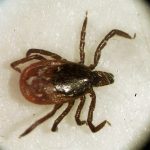
The 2026 tick season is off to a fast start, with the Centers for Disease Control and Prevention reporting an increase in emergency department visits for tick bites nationwide.
Allegheny Health Network’s infectious disease specialists are encouraging the public to remain vigilant against ticks while still enjoying warm鈥憌eather activities.
“Ticks are active throughout much of the spring and summer, but that doesn’t mean people should avoid the outdoors altogether,” said Dr. Michelle Paulson, an infectious disease specialist at AHN. “By taking practical precautions and knowing what to look for, you can significantly reduce your risk and continue to enjoy outdoor activities safely.”
Lyme disease is the most commonly reported tick-borne disease in Pennsylvania, according to the state Department of Health (DOH). It is caused by a bacterial infection known as Borrelia burgdorferi, which is transmitted through the bite of a black鈥憀egged tick, also known as a deer tick or Ixodes tick.
Pennsylvania annually ranks in the top 10 nationally for the number of Lyme disease cases reported by population, according to the DOH.
The risk of transmission increases the longer a tick remains attached to the skin.
Typical symptoms of Lyme disease include fever, fatigue, headaches, and a skin rash. If left untreated, the infection can spread, affecting the joints, heart and nervous system, according to the CDC.
Spring ticks are often difficult to see or feel on the skin because they are still in the nymph stage, about the size of a poppy seed. That’s why reported Lyme disease cases typically spike in late spring and early summer.
Late summer ticks can also transmit Lyme, but they are much larger, more easily observed, and more likely to be removed before attaching to the skin.
Sandy Mansmann of Nottingham Township was diagnosed with Lyme disease in the summer of 2024, and it has impacted her life since.
Mansmann made a doctor’s appointment after suffering from chills, “but I wasn’t able to get in right away,” she said.
Tests confirmed that she had Lyme disease, and she started a two-week course of antibiotics.
Since that diagnosis, Mansmann has battled fatigue, brain fog, and heart issues.
“One of the weird things is that the outside of my scalp hurt when I was diagnosed. It hurt to lay my head on a pillow,” said Mansmann. “To this day, I have had issues. I know my heart isn’t functioning 100%, walking uphill is tough, I take two naps a day, and the brain fog is a bother. I wake up every day and say, ‘What do you have in store for me today, Lyme disease?'”
Mansmann has organized a Lyme disease discussion group that meets at Citizens Library in Washington and offers people who have been affected by Lyme disease and community members an opportunity to share personal experiences, learn about prevention, and discuss managing tick-borne illnesses. The last meeting, in April, drew 30 people.
Alyson Hollowood of Washington has two children who have dealt with Lyme disease. Her son, Logan, 18, was bitten by a tick eight years ago – Hollowood found an engorged tick on him and took him to the emergency room – and her daughter, Adelle, 16, was diagnosed with Lyme disease in fourth grade, after Hollowood pulled a tick off her and sent it to a lab for testing.
Because the symptoms vary widely – and often mimic other conditions – catching the disease early is critical.
Hollowood said Logan’s symptoms included headaches and fatigue.
“He didn’t have a lot of energy. His legs felt heavy. He was playing soccer at the time, and it was a struggle. He had a hard time making it up the steps at our house; he was unable to walk the hallways,” said Hollowood.
Adelle suffered from body pain, including back pain, fatigue, and brain fog.
“I think it’s important to be vigilant. Both of the kids got their ticks in the yard. We are big campers and are out in nature a lot, so we always checked the kids when we were out, but weren’t as vigilant in the yard. Now we are,” said Hollowood, noting the family uses tick spray.
She also sends ticks out to a lab for testing if the family finds one on themselves.
AHN experts recommend taking the following precautions when spending time outdoors:
– Avoid unnecessary exposure to tall, grassy and wooded areas where ticks are commonly found.
– Use insect repellents containing DEET on exposed skin, and apply permethrin to clothing when anticipating prolonged outdoor exposure.
– Wear protective clothing, such as long sleeves, long pants, and socks, to limit direct skin contact.
– Shower as soon as possible after outdoor activities, which may help remove ticks that have not yet embedded.
– Perform thorough tick checks, paying special attention to the scalp, behind the knees, under the arms, and other hard鈥憈o鈥憇ee areas.
If a tick is found embedded in the skin, it should be removed as promptly as possible. Individuals should note when they believe the bite may have occurred, because the length of time a tick has been attached can influence the risk of Lyme disease transmission.
Anyone who has been bitten by a tick should promptly contact a medical provider. In some cases, a preventive antibiotic such as doxycycline may be recommended to reduce the risk of developing early Lyme disease if certain criteria are met.
Early Lyme disease may cause that distinctive rash known as erythema migrans at the site of the bite. If this rash or other concerning symptoms develop, medical evaluation and treatment are important.
“Prompt treatment of Lyme disease is critical,” Paulson said. “Without treatment, the infection can progress and potentially affect the nervous system, heart and joints.”
To learn more about how to stay safe from ticks, visit www.cdc.gov/ticks/prevention.