

Shapiro: AI poses ‘real risk’ to students
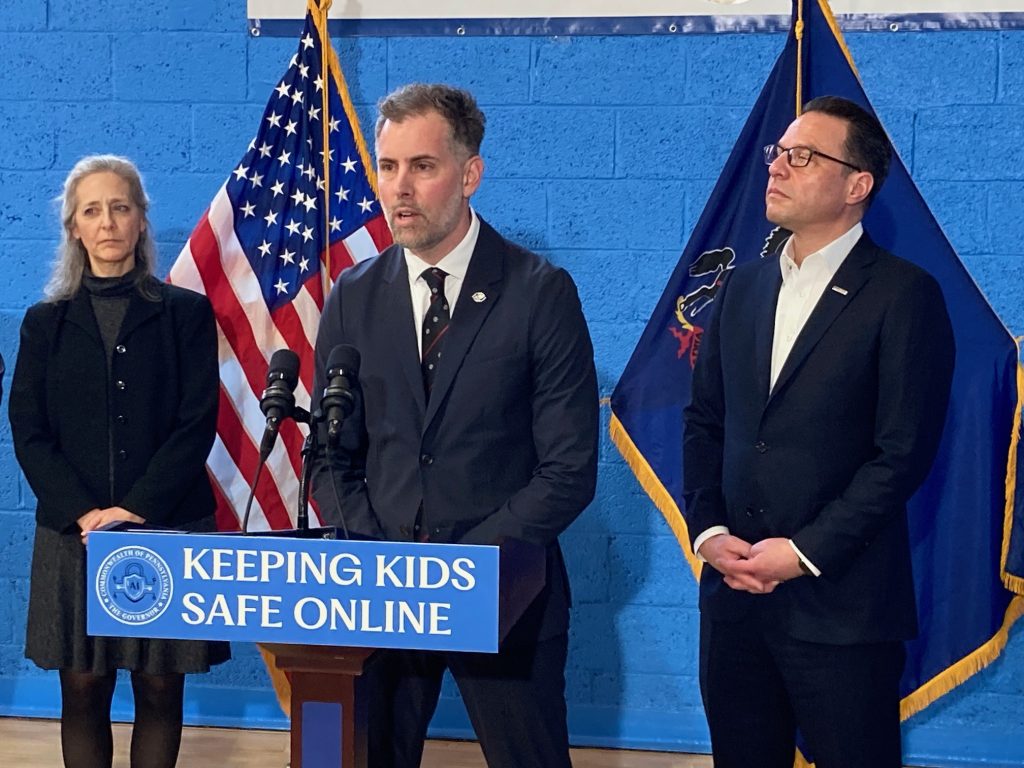
CARNEGIE 鈥� To many observers, artificial intelligence (AI) is kind of like the Wild West 鈥� unruly, untamed, a realm where it seems like just about anything goes.
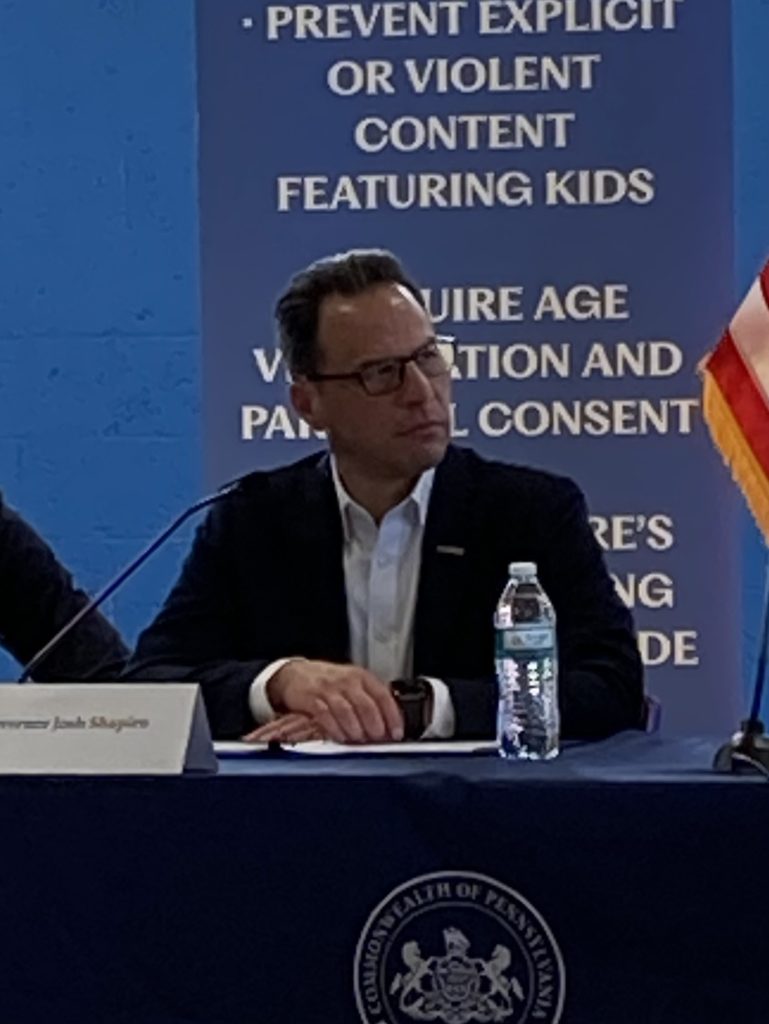
Leading a roundtable discussion on AI in Carnegie Friday afternoon at a branch of the Boys and Girls Clubs of Western Pennsylvania, Gov. Josh Shapiro said his administration is ready to act as the sheriff coming to town and restoring some order.
鈥淚t poses a real risk to students and others in Pennsylvania,鈥� Shapiro said.
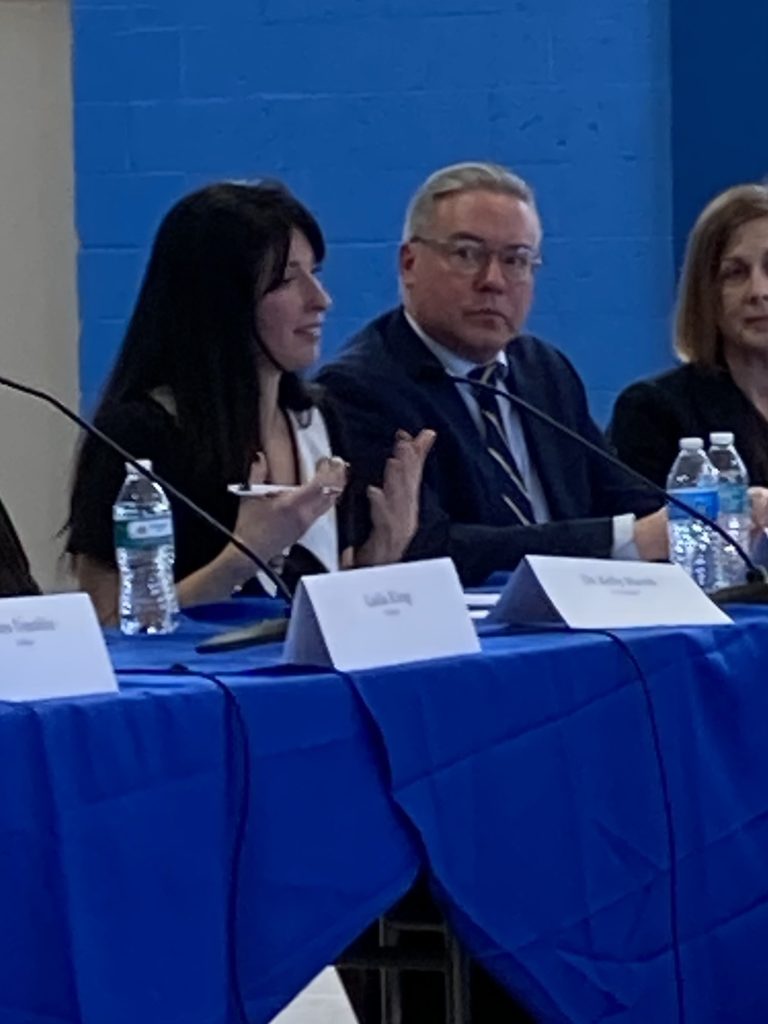
Shapiro and other state officials, including Secretary of the Commonwealth Al Schmidt, Secretary of Education Carrie Rowe and Dr. Debra Bogen, the state health secretary, listened to students, educators and advocates discuss their concerns about AI, its impacts and what kinds of safeguards can be put in place as artificial intelligence gains more and more of a foothold.
鈥淲hat the rules need to be, what the law needs to be, I need your help, I need your guidance,鈥� Shapiro explained.
The governor鈥檚 visit to Carnegie came on the same day his administration announced initiatives it believes will boost the responsible use of AI. It will be working to fortify consumer protections when it comes to the use of AI companion bots; putting together an AI Enforcement Task Force and a formal complaint and reporting process for AI-powered bots engaged in unlicensed professional practice, such as providing mental health services; and launching an AI literacy toolkit, which the administration says will help Pennsylvanians navigate the world of AI, outlining its benefits and risks. The toolkit will have a specific focus on children, seniors, and individuals with intellectual disabilities, mental health issues and substance abuse problems.
The governor has also urged the state House and Senate to pass a law that would require age verification and parental consent to use AI companion bots, and not allow those companion bots to produce violent or sexually explicit material featuring children. He also wants the Legislature to approve measures mandating that technology companies report when children mention harming themselves or others, and require that they remind users that they are not interacting with another human being.
Shapiro said the state would not allow 鈥渂ad actors to exploit our kids, mislead seniors or impersonate licensed professionals. 鈥� They damn well better know they are going to be held accountable.鈥� Schmidt pointed out that 鈥渨hen people do bring cases to our attention, we have the ability to investigate.鈥�
Along with the possibility of 鈥渂ad actors鈥� lurking in the shadows of AI, some of the participants in the discussion voiced other, perhaps more mundane concerns about the rapidly advancing technology. Tayshawn Lyons, who attends Shadyside Academy, worried that AI is 鈥渢aking away our cognitive ability and our ability to write well.鈥�
Shapiro mentioned his hope that a law prohibiting the use of cellphones in classrooms would soon be arriving on his desk. When he asked how many students supported the measure, only a few hands went up.
鈥淭hat鈥檚 the same reaction my kids gave,鈥� he laughed, noting the tepid response.
Many of the issues surrounding AI are at root about isolation, which Bogen said started during the depths of the COVID-19 pandemic.
鈥淲e have replaced our relationships with these new tools,鈥� she said. 鈥淲e need to get back to relationship building, for very young children through adulthood.鈥�