

Chernobyl, 40 years later
Washington hospital president recalls visit to exclusion zone
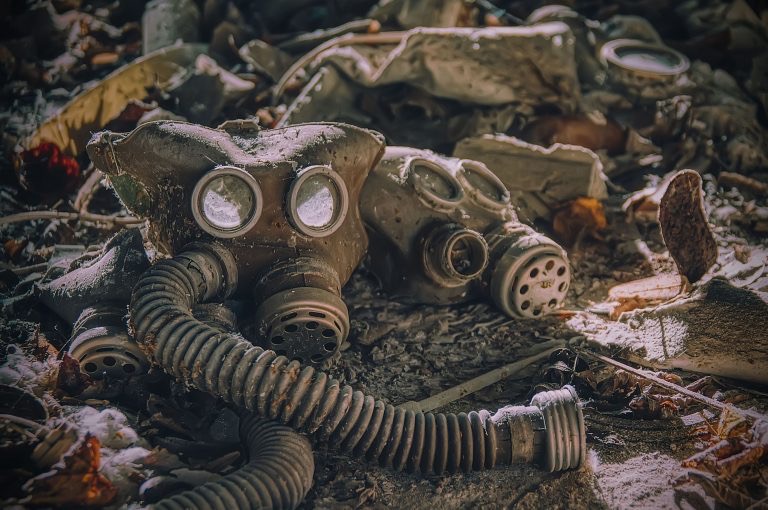
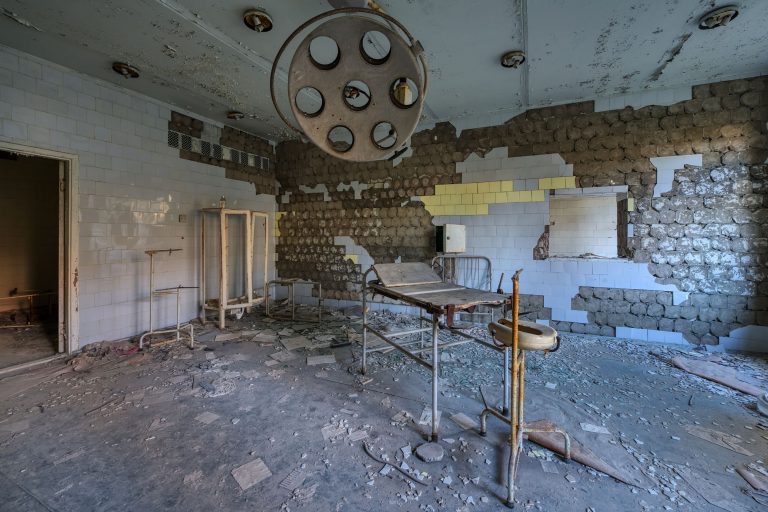
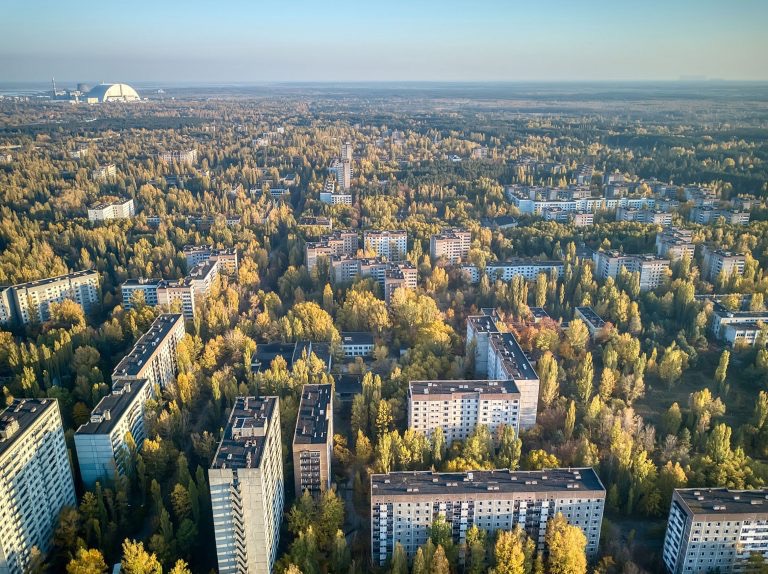
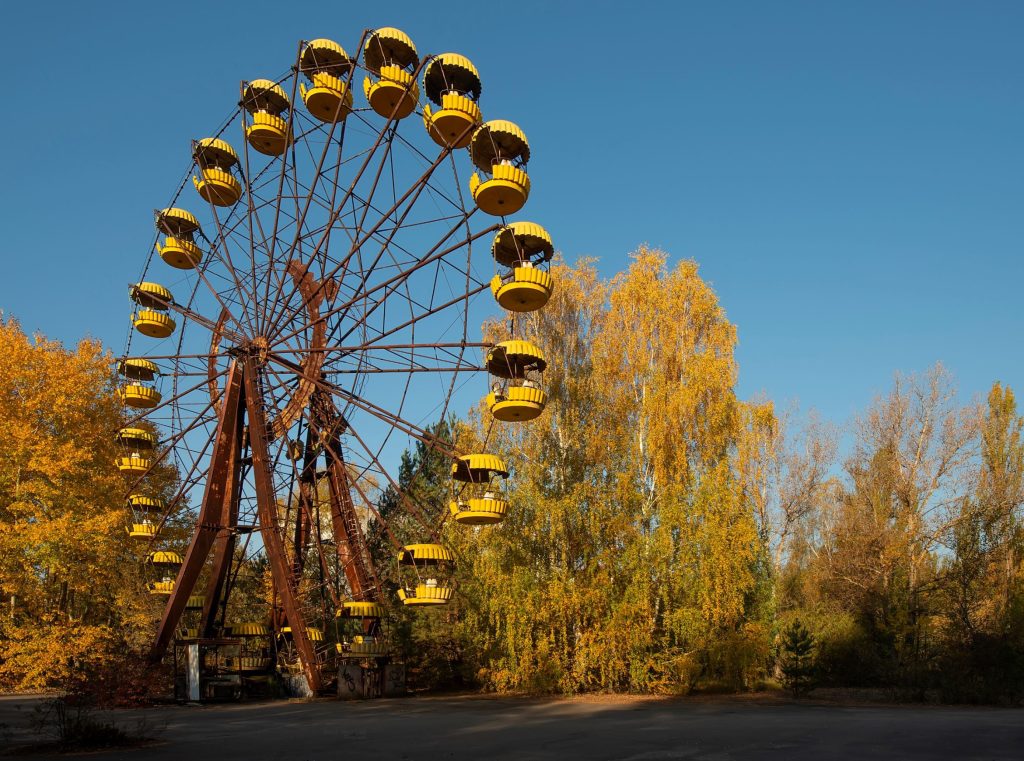
Gas masks littered on a floor. Forests overgrowing empty villages. An abandoned hospital operating room.
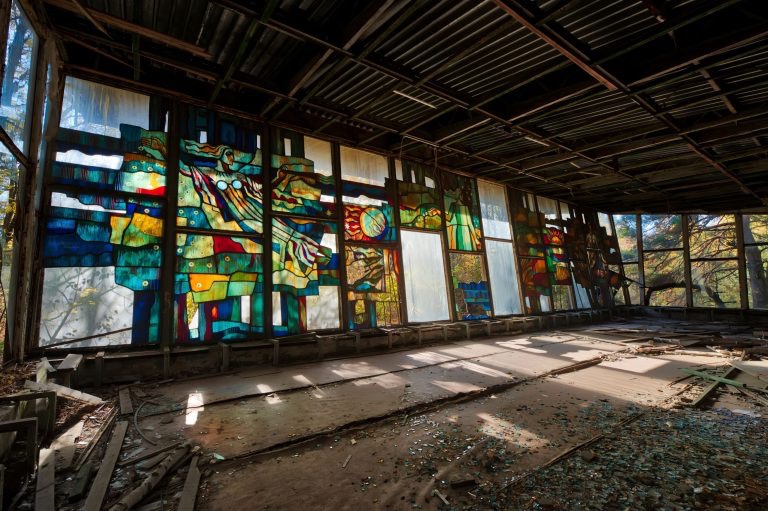
Those are some of the photographs that Brook Ward, president of UPMC Washington and Greene hospitals and a photographer, captured on a 2018 trip to Chernobyl, the site of the world鈥檚 worst nuclear disaster.
Forty years ago, on April 26, 1986, a flawed safety test at the Chernobyl Nuclear Power Plant in Ukraine resulted in explosions and a fire that destroyed reactor No. 4, sending a radioactive cloud across Europe.
The Chernobyl accident killed 31 plant workers and firefighters, and, according to the United Nations, exposed about 8.4 million people in Belarus, Russia, and Ukraine to radiation, with an estimated 5,000 thyroid cancer cases, primarily in children, directly attributed to radiation exposure.
Today, the Chernobyl Exclusion Zone, a 19-mile radius around the damaged nuclear power plant, is largely uninhabited 鈥� although more than 100 elderly 鈥渟elf-settlers鈥� who returned there shortly after the disaster still live there, and around 2,000 to 4,000 people work in shifts to maintain, decommission, and guard the site.
While it remains too dangerous for humans, the area has become an unintended wildlife sanctuary, as dense forests have overtaken cities, and animals 鈥� bears, lynx, moose, and wild horses 鈥� have moved back in.
鈥淲hat struck me is how Mother Nature moved back in,鈥� said Ward, who spent four days inside the Exclusion Zone, accompanied by his son and a group of photographers. 鈥淢any of the buildings had trees and vegetation growing on them, and going into town, tree branches were scraping the bus as we drove along what was at one time a two-lane, divided highway, but you couldn鈥檛 tell. It is surprising how quickly Mother Nature does its thing when you abandon a place.鈥�
At one point, the group鈥檚 driver pointed to where a hospital and a school were located, 鈥渂ut you couldn鈥檛 see it because it was overtaken with trees,鈥� he said. 鈥淚 didn鈥檛 realize how overtaken the area was. Large portions of trees, sidewalks, and land had been recaptured.鈥�
Ward and the Urbex photographers he traveled with 鈥� who document abandoned and derelict structures 鈥� visited restricted and hard-to-access sites that are generally inaccessible to the average tourist.
Ward also visited Kyiv, the capital of Ukraine, and photographed the buildings, a diverse mix of ancient churches, art nouveau mansions, and severe Soviet-era structures.
Dr Gerry Gendlin, an international politics professor at PennWest University, said the Chernobyl accident played a significant role in the demise of the Soviet Union, which ended in 1991.
鈥淚t was an important milestone because it not only damaged trust Soviet citizens had in their system, but it exposed secrecy, and revealed the government鈥檚 incompetency,鈥� said Gendlin, who traveled to Switzerland on business a few months after the Chernobyl accident. 鈥淭he biggest takeaway would be that events that seem like they are one-off events, like the Chernobyl explosion, can have long-term political and historical consequences, and can influence events for future generations.鈥�
Gendlin noted that an inner steel-and-concrete structure, known as a sarcophagus, was built around the destroyed reactor to prevent further radiation leaks. In 2016, a metal dome called the New Safe Confinement dome was built to reinforce the inner shell.
In 2025, a Russian drone struck the dome, raising concerns about the long-term structural integrity of the sarcophagus. Russia invaded Ukraine in February 2022, and the war is ongoing.
Ward said the Ukrainian people were warm and welcoming when he visited. He recalled a dinner the photographers were treated to that was prepared by 鈥淏abushkas,鈥� a group of elderly Ukrainian women who used vegetables raised on their land.
鈥淚 couldn鈥檛 understand anything they were saying, and they couldn鈥檛 speak English, but we had a great conversation via a translator and it was a wonderful meal, and it was an all-around fun evening.鈥�
Ward, who travels extensively, said his trip to Ukraine is among the most memorable.
鈥淢ost trips we鈥檝e gone to have been trips any tourist can go to and see, but this trip is unlike a trip anyone can go on. It鈥檚 sobering. You鈥檙e going to a site where you know bad things happened,鈥� said Ward.
The desolation and quiet of the exclusion zone are striking.
鈥淚t鈥檚 super sad, when you think of what people in that area have had to go through,鈥� Ward said. 鈥淧eople were harmed, people died. That area will be uninhabited for a long time. That鈥檚 sad. And what Russia has done to that country has created a devastating blow they鈥檒l have to deal with for decades.鈥�
Ward and his son had planned a return trip to Chernobyl in 2022, but the war broke out four months before they were scheduled to depart.
鈥淚 don鈥檛 know that we will ever make it back,鈥� said Ward. 鈥淩ussian troops planted land mines, and I don鈥檛 know how safe it will be anytime soon.鈥�