

Pennsylvanian鈥檚 trapper manual a glimpse at simpler times
The literature of the outdoors can be nearly as enjoyable as being out there yourself. I鈥檓 especially drawn to some of the older works, penned by writers who improvised their own equipment and knew their subjects through self-education.
One of my favorites that I feel fortunate to own deals with trapping. I have never lost my admiration for dedicated trappers. Nobody knows more about wildlife, nobody endures harsher conditions, and no other outdoorsmen put in more hours of work per unit of reward. My respect for ethical trappers runs deep enough to have nurtured a lifelong fantasy about trapping beaver 鈥� even one beaver would satisfy it, but so far I have never committed the time and effort to make that happen.
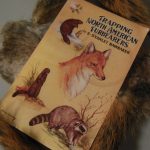
But this gem of a book keeps the beaver dream alive. 鈥淭rapping North American Furbearers鈥� by S. Stanley Hawbaker must be one of the most credible and straightforward books ever written about the outdoors. I don鈥檛 even remember where I got my copy but I checked and there are a few available through the big on-line book retailers.
Hawbaker was a Pennsylvanian from Fort Loudon, Franklin County, about 100 miles east of here. I had to like him from the first page where he identifies himself as 鈥淣aturalist and Professional Trapper.鈥� Apparently, he self-published the book because no other publisher is named, but the volume is professionally done on quality paper with color cover paintings of beaver, fox, mink and raccoon by Dennis Bushey.
Kurtz Brothers Printing of Clearfield, PA printed my copy (16th printing) in 1974 but the language and content suggest the text was written long before, in a simpler time when it would have been possible, even realistic, to devote the time it would take to follow Hawbaker鈥檚 advice. There鈥檚 a photo of the author as a young man in 1953, posing with a packbasket. I suspect he wrote most of the text around that time.
Unfortunately, somebody placed a coffee cup on my copy鈥檚 cover and left a circular brown stain over the red fox鈥檚 face. Otherwise it鈥檚 in excellent shape.
Today, Hawbaker鈥檚 book is not so much a practical 鈥渉ow-to鈥� as it is a revelation of how the outdoors and outdoorsmen have changed since he penned his treatise.
For example, how many of us would follow Hawbaker鈥檚 tip to 鈥渂uild several overnight cabins along your trapline,鈥� allowing for several weeks on the line before returning home? But even around 1953 Hawbaker sensed change on the wind. 鈥淪ome trappers make the complete door by hewing logs, but this takes time and patience,鈥� he wrote.
Hawbaker trapped and wrote before today鈥檚 revolution in high-tech outdoor gear. In his checklist for months on the line he suggests readers take along 鈥渢hree good woolen blankets.鈥� After all, 鈥渙ne wants to sleep well,鈥� he notes.
Hawbaker was no more deterred by foot travel than by cold nights, and one wonders what he鈥檇 think of the our contemporary dependence on ATVs to get into the outback. 鈥淣ever set too many traps close together. Traps set far apart will catch more fur,鈥� he wrote. 鈥淓very mile or half-mile is close enough for water sets.鈥� He walked every foot of it 鈥� daily.
The section on home-made scent lures is especially entertaining, and proof that Hawbaker鈥檚 hints were meant for outdoorsmen with more free time 鈥� not to mention more tolerant spouses and not-too-near neighbors. His instructions to make a good 鈥渁ll season鈥� lure go like this: 鈥淧ut 4 oz. of well mashed fox liver in a well cleaned quart fruit jar. Add to this one half pint of pure sun-rendered trout oil, 12 anal glands, and the contents of two fox galls. Add one half-pint of red fox urine, 2 drops of anise and 2 oz. glycerine. Add to this 录 oz. of pure skunk musk. Put the cover on jar without the rubber, don鈥檛 seal (this will cause the jars to explode). This is all to be done in early spring. Jar should set in sun all summer and do not allow flies to lay eggs in the mixture.鈥�
Poignant is the only word that describes his advice for part-time trappers who need to find other work in summer. 鈥淢any times good summer jobs can be had in local factories,鈥� he wrote. 鈥淲hen applying for these positions, always state that you are employed during the winter (trapping) and that you are looking for a job for the summer months only.
In this manner the employer will know you are honest and if he has any work he will give it to you.鈥� Can we even imagine a world with that kind of occupational leeway?
On page 289 is a photo that reminds; yes, a picture is worth a thousand words. It shows a young man in Woolrich coat and hip boots, sitting on a crate beneath a canvas tarp draped across a limb. He鈥檚 blowing on a cup of hot coffee before a smudgy fire billowing smoke in his face. Around the fire are arrayed a coffee pot, frying pan and kettle. A paper sack of groceries top another wood crate. Below, the caption states simply, 鈥淏eaver Camp.鈥� I wonder how many of us today would endure the discomforts of beaver camp for the price of pelts from the furrier.
There鈥檚 yet another photo at the end. A barn wall stands covered with stretched fur, mostly raccoon and muskrat. Five youngsters, four of them boys, are all smiling, posed proudly with traps, packbasket, and a big dog. Hawbaker credits the photo to Edgar Stull of Greencastle, Pa. Its caption reads, 鈥淓dgar says the grandchildren were a great help and enjoyed the trapline very much.鈥�
I just noticed that my spell-checker doesn鈥檛 recognize the words 鈥減ackbasket鈥� or 鈥渢rapline.鈥� What would Hawbaker think of that?